India announced that it is actively engaging with US authorities to mitigate potential complications faced by Indian citizens due to revised US visa policies.
Regulatory shifts, which restrict foreign scholars and exchange visitors from maintaining extended stays within the United States, are expected to significantly impact the demographics of Indian students and academic visitors.
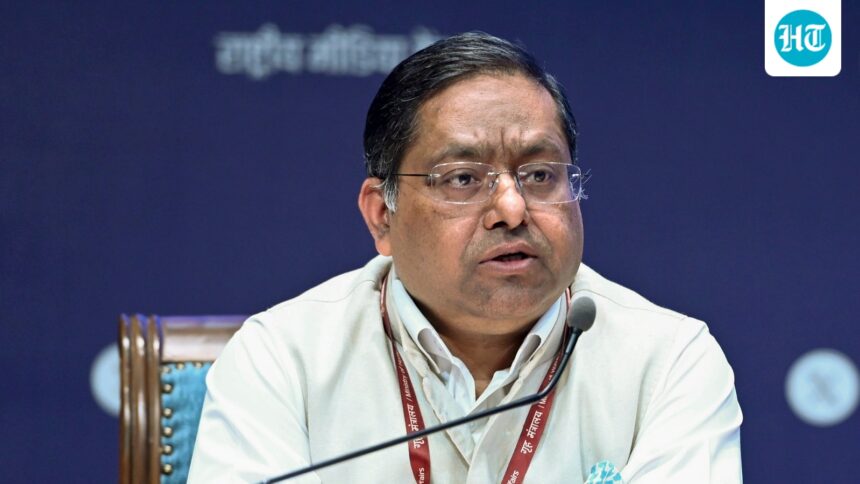
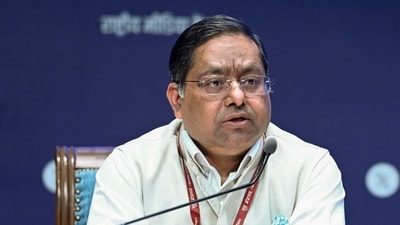
During a press conference on Friday, Ministry of External Affairs spokesperson Randhir Jaiswal addressed the unfolding situation following inquiries regarding the amendments made by the US Department of Homeland Security. “We have seen some reports regarding visa rules. Visa rules, visa functions and immigration issues are sovereign functions of any country,” Jaiswal said.
Read more: New US Visa Policy Limits Duration for Foreign Students: What Indian Candidates Should Know
Further illustrating the diplomatic approach taken by New Delhi to protect its citizens, the spokesman stressed that the government is actively monitoring the situation.
“But having said that, let me tell you that when there are issues of difficulty, which are brought to our attention, as far as true travelers are concerned [and] Students, among others, who seek support from the United States, we are taking up these issues with the American side to reduce the difficulties faced by our people,” Jaiswal noted.
Implementation of these stricter guidelines by the Department of Homeland Security effectively dismantles a long-standing, historic protocol that previously allowed foreign students, exchange visitors, and journalists to reside within the United States indefinitely without continued federal oversight.
Read also: US visa rules change: Department of Homeland Security sets fixed residency limits for foreign students, journalists, and exchange visitors
According to an official statement issued by the Department of Homeland Security on Thursday, the updated framework imposes a strictly defined time frame for stay for F, J, and I nonimmigrant visa holders.
Under this operational matrix, Category F visas are explicitly allocated to students, while Category J codes cater to exchange visitors, and Category I covers media workers.
Compounding the administrative changes, the revised authorization significantly reduces the grace period allotted for F visa holders to successfully leave the country, transfer to an alternative educational institution, or adjust their legal status after graduation, reducing the window from the traditional 60 days to just 30 days.