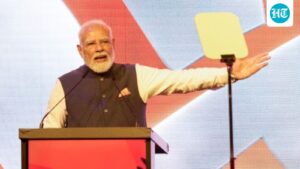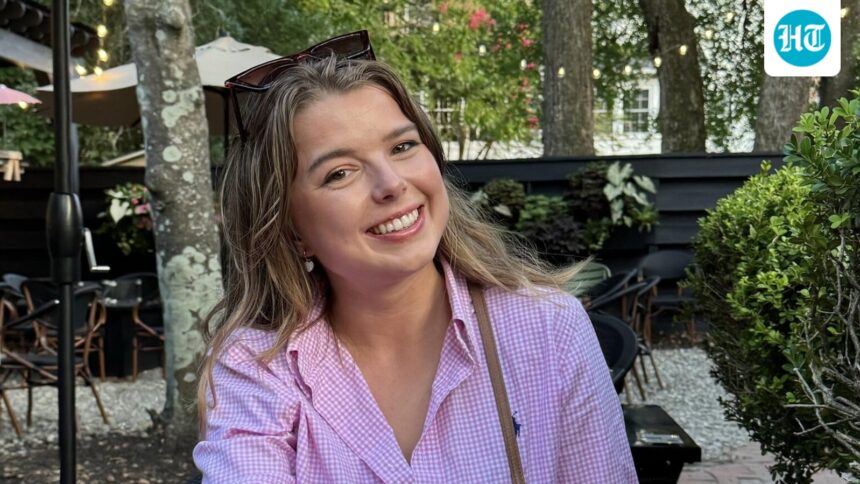
When Norwegian journalist Helle Laing addressed Indian Prime Minister Narendra Modi in Oslo in May, saying: “Why don’t you take some questions from the freest press in the world?” – It seems to have started an echo that has now traveled to at least two other countries with Modi.

After an Indian diplomat was asked the same question about the Prime Minister in Auckland, New Zealand, Ling made a series of X posts and said she was encouraged to see the impact spreading. The New Zealand incident came a day after a TV reporter in Australia noted that Modi “avoids unscripted press conferences.”
“It’s nice to see other countries continuing to debate the decline in press freedom in India,” Ling wrote on X after videos from New Zealand began circulating online.
She said she hoped the conversation would continue beyond Norway. “This was part of my goal when I decided to conduct more than 30 interviews with press from around the world after the Norway incident,” she wrote.
She wrote in response to
She also noted the alleged scrutiny of her character in interviews she gave about the incident.
She also made a pointed observation about the Indian diplomat’s response that Prime Minister Modi prefers to deal directly with voters.
She called it an “interesting response.”
“Does this mean that the Prime Minister usually meets people at City Hall to answer questions about the problems of their daily lives? I have not seen him deal directly with the cockroach.” [Janta] The party is a popular movement. Correct me if I’m wrong,” she posted.
The matter came to light on Friday when a New Zealand journalist asked External Affairs Minister (East) Rudhirendra Tandon why Modi was not addressing a press conference during his visit.
Tandon defended the Prime Minister’s engagement with the public, pointing to his speeches and interactions during the visit highlighting India’s democratic institutions.
The previous day, another moment from Modi’s visit to Australia went viral after a 7News reporter told viewers: “This is the closest you’ll get to Narendra Modi on his trip to Melbourne. He is known to avoid unscripted press conferences, preferring instead more stage appearances.”
The clip was widely shared by opposition leaders and commentators in India, reviving a long-running debate over Modi’s decision not to hold solo press conferences since becoming prime minister in 2014.
With Ling’s participation, the Oslo exchange also became a political flashpoint.
After Modi sidestepped Ling’s question without responding, she later questioned Middle East Affairs (West) Minister Sibi George during a separate press conference on press freedom and human rights in India.
George rejected the criticism and described India as the “mother of democracy” and pointed to the country’s constitution, judiciary, media and civil society.
In New Zealand on Friday, George was sitting next to fellow diplomat Tandon when the latter made a similar argument.
Back in India, this exchange divided political opinion. BJP and government supporters praised George’s response, while opposition leaders said the incident underscored the prime minister’s reluctance to face unscripted questions from reporters.
Meanwhile, Ling has also found herself at the center of intense scrutiny on Indian social media.
Reflecting on that experience this week, she noted that the backlash was worth it if it kept the conversation alive. In response to an
She added: “The scrutiny of my character and ‘character’ would have been worth it if the talk about freedom of the press continued.”
Familiar discussion
The issue of Modi’s media interactions resurfaced periodically throughout his tenure. While the Prime Minister regularly addresses election rallies, public meetings and official events and gives interviews to selected media organizations, he has not held a solo press conference since taking office 12 years ago.
One of the rare occasions when he answered reporters’ questions came during a joint appearance with then US President Joe Biden at the White House in June 2023, where he responded to a question about minority rights by saying: “Democracy is in our DNA” and that there was “absolutely no room for discrimination” in India.