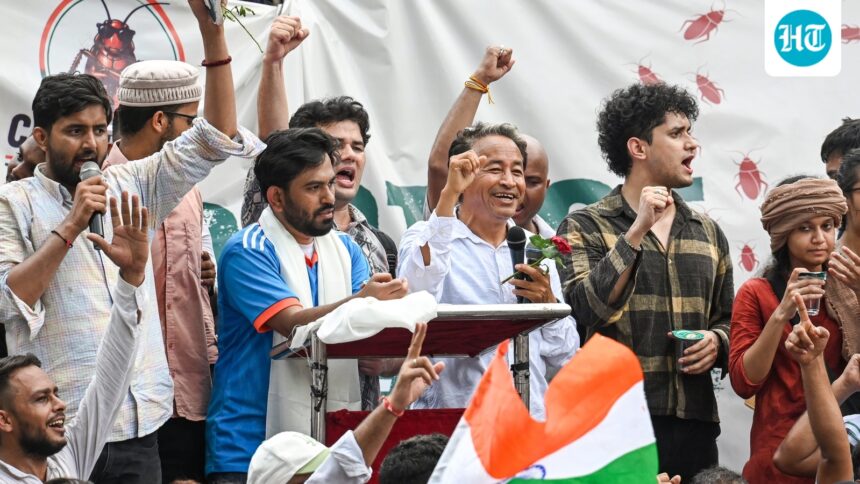
The unrest began on June 6, when the CJP held its first protest at Jantar Mantar in New Delhi.

What started as a small protest at Delhi’s Jantar Mantar soon turned into a national movement, as the Cockroach Janta Party’s (CJP) 36-day agitation attracted thousands of supporters, sparking demonstrations in several cities, and eventually culminating in the resignation of Union Education Minister Dharmendra Pradhan.
From the launch of the five-point reform agenda and Sonam Wangchuk’s hunger strike to the Chalo Sansad march and negotiations with the Centre, here is how the movement has evolved.
Also Read: ‘Dharmendra Pradhan offered to resign on first day of protests’: BJP leader makes surprising claim
June 6: The unrest began on June 6, when the CJP held its first protest at Jantar Mantar in New Delhi.
June 11: Five days later, on June 11, the APC issued a five-point statement, outlining proposed reforms to India’s education sector.
June 20: With its demands not met, the organization escalated its protest on June 20, launching a round-the-clock, indefinite sit-in at Jantar Mantar.
June 28: The movement intensified on June 28, when activist Sonam Wangchuk began an indefinite hunger strike at the protest site in support of the agitation.
Over the following weeks, the protest gained momentum as more supporters joined the sit-in in Delhi and demonstrations spread to several other cities.
July 18: After nearly three weeks of hunger strike, Wangchuk was transferred to Safdarjung Hospital on July 18 due to deteriorating health. The police said that this step was carried out in implementation of court orders.
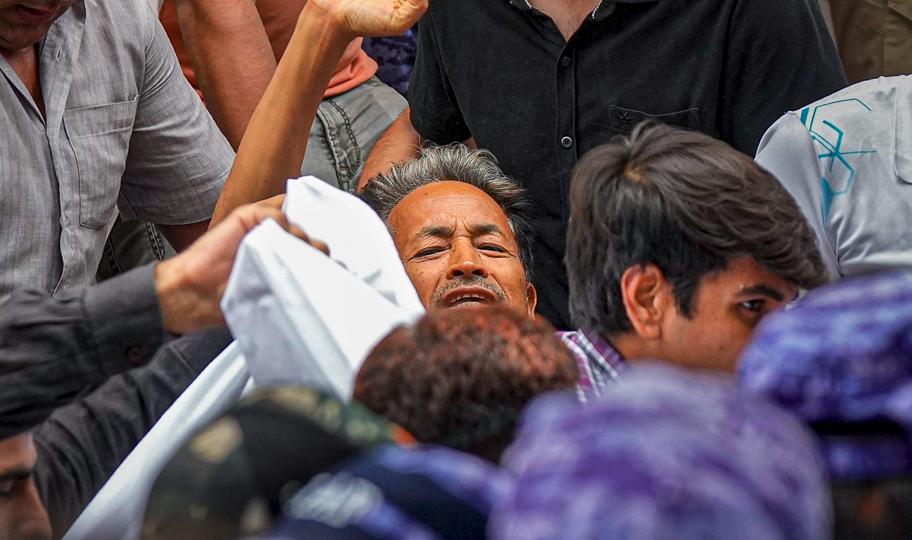
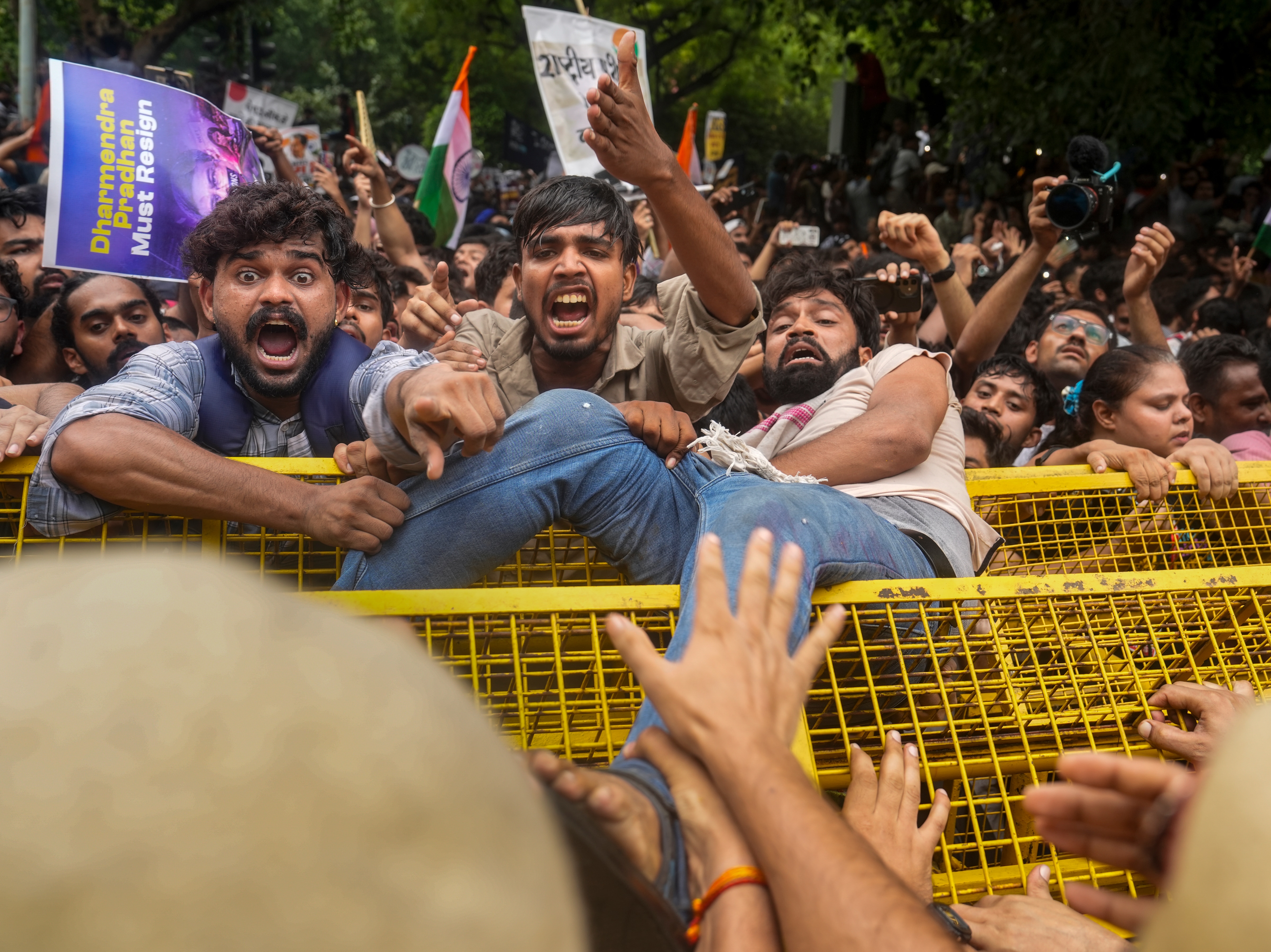
July 20: The unrest reached its peak on July 20, when tens of thousands of demonstrators participated in the Chalo Sansad march demanding the resignation of the Federal Education Minister.
The march turned violent when security forces and demonstrators clashed, prompting the authorities to close the doors of Parliament for the first time since 2001.
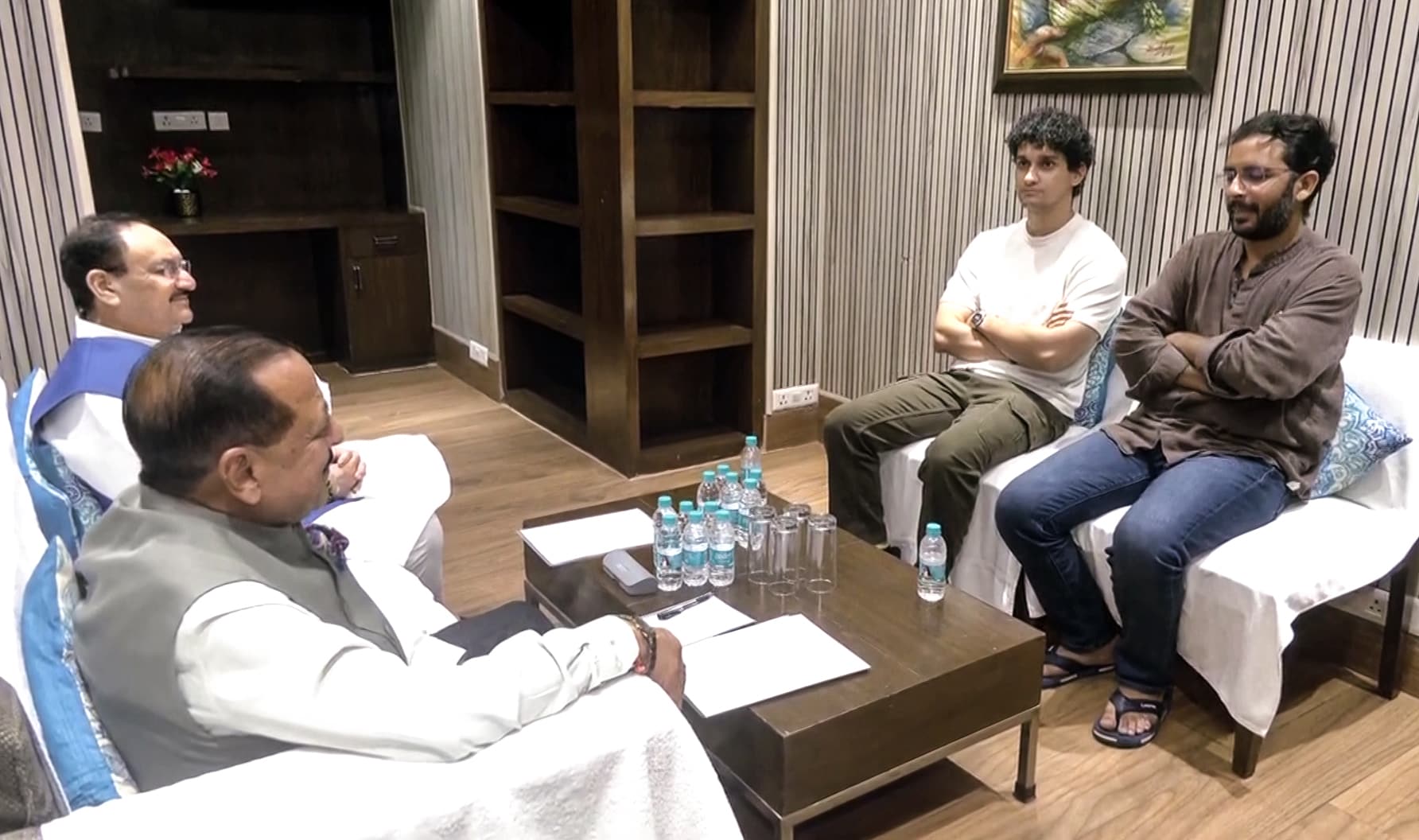
On the same day, a BJD delegation met Union Minister JP Nadda to reiterate its demands.
July 21-24: On July 21, Wangchuk was allowed to shift to a private medical hospital in Gurugram.
Between 21 and 23 July, opposition political parties and several prominent public figures condemned the alleged use of violence against protesters.
On July 23 and 24, Wangchuk ended his hunger strike at a Gurugram hospital after meeting Union ministers JP Nadda and Jitendra Singh.
Around the same time, Prime Minister Narendra Modi, in a video message, assured the country’s youth that action would be taken against erring officials, and promised to reform the examination system.
The movement also continued to expand outside Delhi. On July 24, large-scale demonstrations were held in Patna, Mumbai and several other cities in support of the RJD’s protest.
On that day, the CJP delegation again met Union ministers Nadda and Singh to discuss its demands, while the National Testing Agency terminated the services of 47 officials.
July 25: The breakthrough came on July 25, when Union Education Minister Dharmendra Pradhan tendered his resignation, one of the main demands of the agitation.
Following his resignation, the Sarsour Janta Party officially called off its nationwide protest, ending the 36-day movement.

Follow the latest breaking news, key developments and agenda-setting stories from India and around the world with Hindustan Times Newsdesk. Operating around the clock, the bureau brings together experienced editors, reporters and correspondents to deliver fast, accurate and contextual reporting across topics affecting public policy, governance, business, society and international affairs. The HT Newsdesk covers politics, elections, government policy, economics, business, markets, science and technology, environment, law and order, infrastructure, education, climate issues and geopolitics, while closely tracking developments across countries, institutions and global capitals. The team also leads coverage of major breaking news events, policy announcements, court proceedings, natural disasters, public emergencies and significant international developments. Reports published by the News Desk are based on information gathered from reporters on the ground, official statements, government agencies, court records, regulatory filings, recognized institutions and other official sources. Stories undergo editorial review and verification to ensure accuracy, fairness and appropriateness, and are updated as events develop and additional information becomes available. Whether covering a major policy decision in New Delhi, an economic policy shift affecting millions, a landmark court ruling or a major global event, the HT News Desk aims to provide readers with trusted, fact-based journalism that provides not only the latest developments but also the context and analysis needed to understand their wider implications.Read more

Get the latest India news, headlines and real-time updates from across the country. Stay up to date on politics, government policies, crime, weather and major national developments.