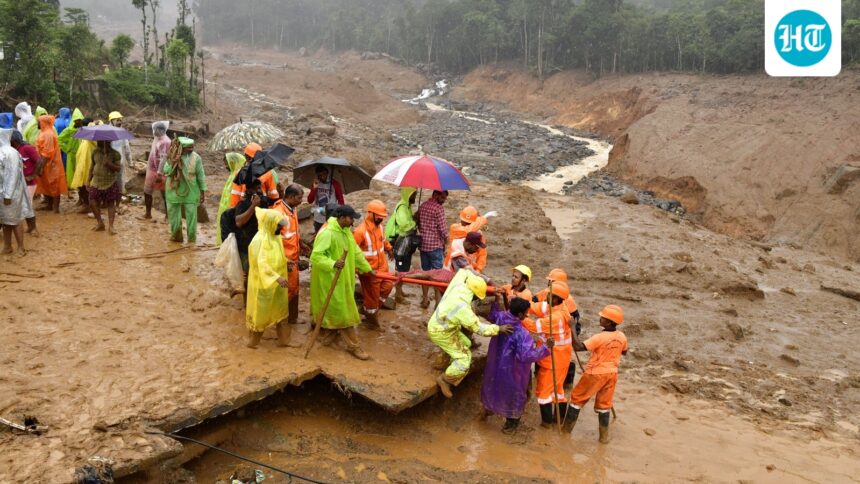
The Chamoli avalanche in 2021 highlighted the inadequacy of traditional project evaluation methodologies in the Himalayan region, and the Wayanad landslides in 2024 pointed to gaps in long-term risk-reduction planning and community preparedness measures, the National Disaster Management Authority said in a compilation of recent disasters.

The compilation suggests that these and some of the other disasters involved could have been prevented — for example, it says the Silkyara Tunnel’s troubled construction history provided many warning signs that were not adequately addressed before the 2023 collapse — and it also serves as a reminder of the human cost.
In the case of the 2021 Chamoli disaster, of the 204 people feared dead, only 77 deaths were confirmed. The remaining 127 people were classified as missing. In the landslides in Wayanad, 225 people were confirmed dead, but 138 people are still missing. Aside from the legal complications, this also means there is no solution for the affected families.
The Chamoli disaster that destroyed two hydropower projects showed that in the Himalayan region, where geological instability, climate change impacts and human activities create compound risks that go beyond traditional engineering assumptions, future infrastructure development must include dynamic risk models that take into account changing environmental conditions and compound risk scenarios. He added that comprehensive geological, seismic and climate risk assessments are a must. Sometimes, as the summary suggested, it makes sense to heed the warnings; In the case of the Silkiara Tunnel, prior to the November 2023 collapse, the tunnel had experienced 21 documented collapse incidents of varying severity since construction began.
The 10 Disaster Compendium reflects causes and lessons for future infrastructure and has been prepared for the specific purpose of serving as a reference document. The National Disaster Management Authority said that by examining a variety of case studies – which include industrial chemical accidents, natural hazards, transportation accidents, and severe weather events – it provides valuable insights into the decision-making process under crisis conditions.
The conclusion also represents a rare admission by the government of lapses in project planning.
Many infrastructure projects in Uttarakhand have faced challenges similar to Silkyara, the summary noted: “These precedents have established a pattern of geological underestimation, inadequate safety margins, and a reactive rather than proactive approach to risk management. Environmental experts and geologists have repeatedly warned that the scale and pace of the Char Dham project exceed the carrying capacity of the Himalayan ecosystem. The Silkyara collapse therefore represents not an isolated incident but the culmination of systemic issues in infrastructure planning.” Infrastructure and risk assessment in one of the world’s most geologically active regions.”
The conclusion indicates the impact of the climate crisis and human-made factors on some disasters.
The report said the landslides in Wayanad “reflect a pattern of increasing frequency and intensity of disasters, which is likely linked to the impacts of climate change, deforestation and unplanned development in geologically sensitive areas. According to preliminary assessments, loss of green cover in Wayanad is estimated at up to 62% (1950-2018); growth rates of tea plantations are also under review. This unprecedented change has directly altered the landscape’s natural water retention and slope stability characteristics.”
Contributing human factors include widespread deforestation to develop tea plantations, which has eliminated natural vegetation that would have provided slope stability through root systems, he added.