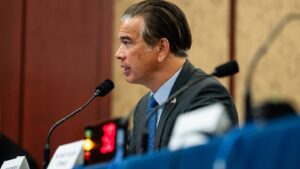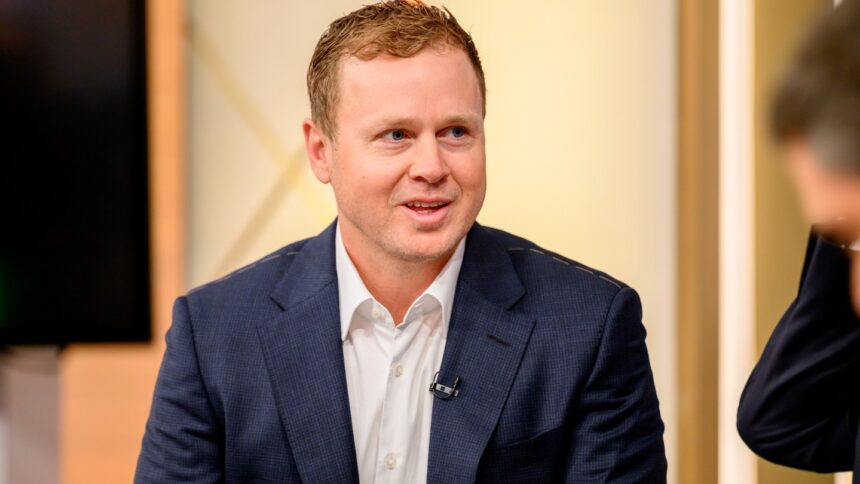
Spencer Pratt — the 2000s reality TV star turned internet influencer in the 2010s, then populist firebrand in the 2020s — is now a formidable candidate in the Los Angeles mayoral race, which is measured by fundraising totals, poll numbers and criticism from the main challengers. The rise comes as a shock to the city’s liberal establishment, which views him as an unqualified clown. It shouldn’t be.
His reactionary drive, a revivalist attempt to make the city “once again ‘camera-ready’ for all its citizens” by cracking down on crime and corruption, gained traction as he rolled out a shrewd and mischievous digital strategy. This culminated in a recent ad campaign based on Kendrick Lamar’s song “Not Like Us” to defeat his rivals, current Mayor Karen Bass and progressive Los Angeles City Councilwoman Nithya Raman. The button on the spot was a reaction to the inciting incident of his first act — how his house burned down in the Pacific Palisades wildfires last year as a result of government incompetence, he insists.
Pratt posted his most revealing photo three days ago, on April 26: himself portraying Michael Douglas’ worker on a poster. Falling. This is Joel Schumacher’s 1993 revenge thriller about a fed-up white Angeleno who embarks on a violent journey through a forbidding urban hellhole to reunite with his daughter. Pratt reproduced the tagline – “The adventure of an ordinary man at war with the everyday world” – but edited out the character’s use of an automatic rifle. (Douglas’s protagonist is a laid-off contractor in the then-collapsing domestic defense sector; Pratt’s grandfather happened to work as a military engineer for a Southern California defense company.)
Pratt’s guidance Falling appropriate. After all, the film is a straightforward story about trying to reassert power in the midst of chaos. It was released the last time Los Angeles was at its lowest point, rocked by natural disasters, economic problems, and widespread civil unrest that followed the ruling in the police beating of Rodney King.
For generations, with few exceptions, the city has been defined by the liberal spirit and policies of the Democratic Party. Even brand billionaire Rick Caruso’s campaign, which has a budget of more than $100 million and has revolved around the Rockefeller Republican in recent days, was unable to win the mayor’s office in the final round. Yet within this sprawling bubble, Los Angeles has long cultivated cascading strains of backlash, from Howard Jarvis’s tax revolt to the xenophobia of Stephen Miller, who currently oversees the White House’s anti-immigration policies.
And now there’s Pratt, a figure whose candidacy has been embraced by a wide range of right-wing media outlets stretching from the Murdoch family’s flagship outlets to the internet’s biggest influencers (Joe Rogan and Adam Carolla have both endorsed him). Pratt first made his name as a villain on MTV, among other maneuvers, promoting rumors about an alleged sex tape involving his co-star. He was still cashing in on his notoriety until last January when he published a tell-all memoir, which reads like the definitive Obo dossier, filled with the self-assassinating character’s revelations about his personal and professional life.
None of this seems to matter much to Pratt’s supporters, who, like President Donald Trump’s MAGA base, see him as an unlikely savior and an imperfect vessel, and whose shock-value messages — about fraud, waste, bureaucracy and other municipal ills — command credibility. Exhibit A: Other candidates talk about various technocratic, humanitarian approaches to helping the “homeless,” some choosing the euphemistic term “homeless.” Meanwhile, Pratt believes that improperly treated drug addiction is the underlying problem, and often refers to them as “zombies” when presenting his case that enforcement against street camps has failed.
Prominent Los Angeles-based cultural critic Megan Daum, whose work often targets liberal piety, announced April 26 that she would vote for Pratt, citing his outspokenness about the camps. “We want to be in a place of reality,” she said. “People are ready for a no-bullshit era, and Spencer Pratt could be the one to start that era.”
Donors to Pratt’s campaign range from law firm partners, mid-level studio executives and small business owners to beauticians, police officers and retirees. According to the city’s disclosure filings, they also include former Lakers captain Jeanie Buss, actress-turned-anti-vaccine activist Jenny McCarthy, star realtor Kurt Rappaport, and reality TV producer Jeff Jenkins (Keeping up with the Kardashians) and OANN host Ginger Gaetz — wife of controversial former Republican Rep. Matt Gaetz and sister of billionaire Southern California gun manufacturer Palmer Luckey.
A range of interior industries have increasingly embraced Pratt. On April 27, film producer Hilary Schur posted on Threads about a lunch that Larry David’s wife, Ashley, hosted at her home for the candidate. “Miracles do happen, and I am voting for him,” Shor wrote, adding that actress-turned-philanthropist Irina Medavoy “and many others were blown away by the power of his message that will hopefully help save our city.”
With fellow reality TV star Trump, Pratt shares a television charisma that can veer between anger and affection. However, his outlook and style of humor are perhaps most evident through his distinct Angeleno lens. (Anyone who has spent a lot of time along the coast knows Brah— quotes about men who put sunglasses on their heads and profess their love of burritos, crystals, guns, flip-flops, and their favorite blue-eyed blonde.) Pratt is descended from Sam Yorty, the populist mayor of Los Angeles in the 1960s who was committed to law and order, and Wally George, a local TV host in the 1980s known for his harsh criticism of what he saw as leftist excesses. Fueled by insult-driven humor.
The mayoral primary is a month away. A runoff election on November 3 is certain. Whether Brat wins or not, the politics of grievance and the showmanship of his candidacy will likely define the rest of the race.