Audiences in 2026 are sending a clear message to filmmakers: We want movies to feel real, and to do our best while making them.
The biggest box office hits so far this year have been projects that focused on analog filmmaking and made directors go the extra mile to create original cinematic worlds that feel cohesive and tangible.
Meanwhile, many of the franchise’s disappointing films — projects whose debuts are winding down thanks to built-in audiences — have been criticized for feeling downright contrived.
Odyssey ($264 million and counting), Hail Mary project ($683 million) Back rooms ($384 million) and mania ($442 million) not only relied heavily on practical effects, but channeled old-school filmmaking efforts into its marketing.
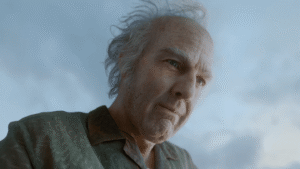
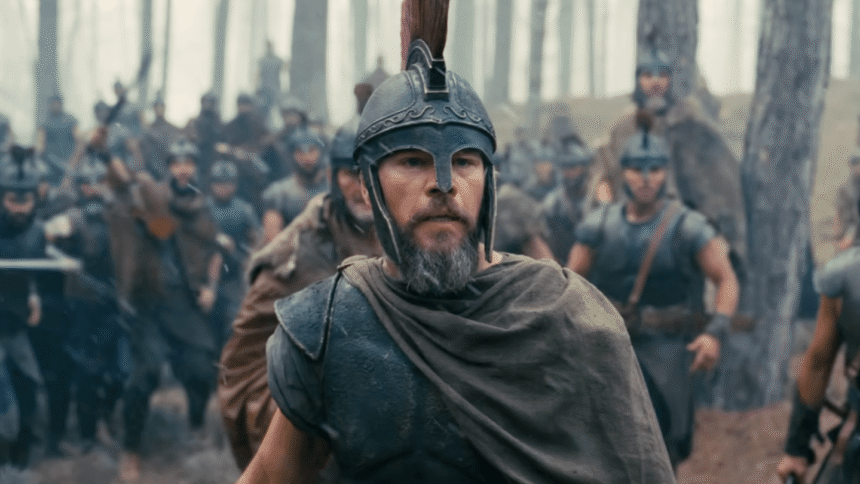
Hail Mary project Directors Phil Lord and Christopher Miller went viral for touting its lack of green screens and use of puppets (there was also a lot of CGI, of course). Christopher Nolan and Odyssey The cast talked extensively about their Herculean efforts to film in realistic, inaccessible locations, and the director refused to use CG set extensions (any other director would have been more heavily tempted to use CG to make Ithaca appear more populated and sprawling, for example).
Even with a modest budget of $10 million,… Back rooms The team built extensive physical sets and used practical effects whenever possible. And when he made Carrie Parker mania For just $750,000, he had to come up with practical ways to get rid of fears by necessity, if not by preference.
“I’ve definitely reached the limits of my stamina and everyone’s stamina. I mean, it is,” Nolan said OdysseyOf course it has to be difficult. We’re not doing the job right in making a movie Odyssey If it doesn’t seem difficult.”
But perhaps Nolan, for once, was thinking too narrowly. The real lesson here may be: Filmmaking has to be hard if you want to persuade audiences to leave their homes and go to the theater. Especially in the wake of Disney+ star wars and Marvel TV shows, shooting another franchise film on stage seems more like a streaming channel level effort than a “buy an Imax ticket” effort.
It is perhaps no coincidence that the public responded to the practical application in the same year that artificial intelligence became widely ridiculed. Trailers to box office disappointments Masters of the universe, Supergirl, Star Wars: The Mandalorian and Grogu and Moana It all seemed remarkably, well, a little fake.
Supergirl It was mocked for its monumentality and decline. Moana It was supposed to be a live-action remake, but can you tell? in the wake of Hail Mary projectHeadlines of practical effects, the team behind them The Mandalorian and Grogu Put in a “Hey, we did that too!” Video promoting star wars Practical puppet work for the film, but the film’s trailers and clips appeared overlaid with CG.
Moviegoers will break box office records to see it Avengers: DoomsdayHowever, even the much-anticipated trailer for the film released on July 20 is being criticized for looking as if the actors are trapped in a soundstage. (“Is anyone else worried about how this movie will look in the closet?” one viral comment on Reddit asked, while one influencer said: “[The superhero genre] Everything is supposed to be about the spectacle, and it’s no longer a spectacle.”
It used to be that only movie fans cared about how a movie was made. But in our age of authenticity — when anyone can create an AI short film by writing prompts — the story behind the film’s creation is valuable. This is especially true when this story conveys some real effort (such as the lead actors having to walk 45 minutes up a hill every day to get to an Italian castle for filming Odyssey).
To some extent, audiences have always loved tales of Hollywood creatives suffering for their art. David Lean shooting Lawrence of Arabia It is located almost entirely on site in the harsh deserts of Jordan, Morocco and Spain. Steven Spielberg nearly killed himself — and was almost fired — to make Jaws. James Cameron risks ruin to make it big Titanic. But these production tales gained appreciation after the success of those films. Now you have to tell a compelling story – and Tell a compelling story about telling your story.
The other side of this coin is the refreshing rise in popularity of non-franchise films.
Last year, 12 of the top 13 films at the domestic box office were titles based on existing IP films, franchises, video game adaptations, and the like (Sinners was the only exception).
What an incredible turn of events this year. So far, five of the top 10 films at the domestic box office are non-franchise titles — and Odyssey He will quickly join those ranks.
Announcing Hollywood trends is a risky business. The success of every film is a combination of factors, and when you are certain that there is real change, things tend to go back to normal. Is the superhero fatigue virus really turning into franchise fatigue? It’s too early to say.
But the tea leaves, as best as they can be read, seem pretty clear: Moviegoers will show up in droves to see compelling, non-proprietary stories from passionate filmmakers who can give audiences a sense of handcrafted reality.
This story appeared in the July 22 issue of The Hollywood Reporter magazine. Click here to subscribe.