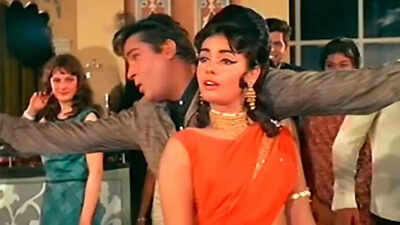
In the 1970s, Mumtaz was among the most popular leading ladies in Hindi cinema, delivering blockbuster hits like Tere Mere Sapne and Roti. At the height of her success, she surprised many by moving away from cinema after marrying businessman Mayur Madhvani in 1974.
In a recent interview, the veteran actor opened up about the reasons behind this life-changing decision.Mumtaz shared how her upbringing played a major role. “I come from an orthodox Iranian family, so my father believed that a girl should get married after a certain age, and not continue working until she is 40 or 50,” she said in an interview with Sandeep Kochhar. “My mother and everyone wanted me to get married, and I knew my husband’s family since I was 7 or 8 years old, and we were neighbors.”
My mother agreed to them because she knew them well and thought I would be happy in that family.
She told me not to continue with films and said they were good, cultured people who would keep me happy. “I knew my family well and always listened to them, so I married Mayur.”She further explained that her husband settled abroad and comes from a prosperous background. “My husband was not living in India, he was studying in England.
His family had businesses in Uganda and were very wealthy.While she admitted that she wanted to continue acting, Mumtaz said she chose to respect her family’s wishes. “If you asked me, I would have wanted to work a little longer. But my family is very traditional and believes that a girl should get married after a certain age, so I agreed.”She also revealed that Mayur waited patiently so that she could honor her professional obligations.
“I returned the signing amounts for the films I had committed to, completed the filming that had been on hold, and my husband waited two years for me to finish all my films.”Mumtaz also spoke about her previous relationship with Shammi Kapoor and why she chose not to marry him. “The problem was that I was very young, and I had no objection to getting married, but Babaji (Prithviraj Kapoor) was a wonderful man, and his rule was that the daughter-in-law of the house would not work after marriage. Even
Geeta Bali
Ji stopped working after marriage. When they said I couldn’t work, I felt like I was still young and had ambitions.
“I wanted to work and achieve something, so I refused.”Reflecting on how times have changed, I’ve noticed attitudes toward relationships changing. “In our time, girls were not so easy to start relationships. Today, women openly express their love for good-looking men, so these men are very happy, and they have many options now.”She added that her upbringing was stricter compared to today’s norms. “My mother would scold me severely if I behaved like that. I wasn’t allowed to. I got married early because they thought that if you didn’t get married in time, people might think wrongly. I was never allowed to go alone to shoot outdoors, and my grandmother, aunt or mother always accompanied me. They felt that a girl who traveled alone might get into trouble. I never traveled alone.
“She compared it to the younger generation, saying: “My daughter Natasha allows her daughter to go to stay with them for the night, but I do not agree because he has never allowed me to stay in anyone’s house. I still argue with Natasha about this matter.”