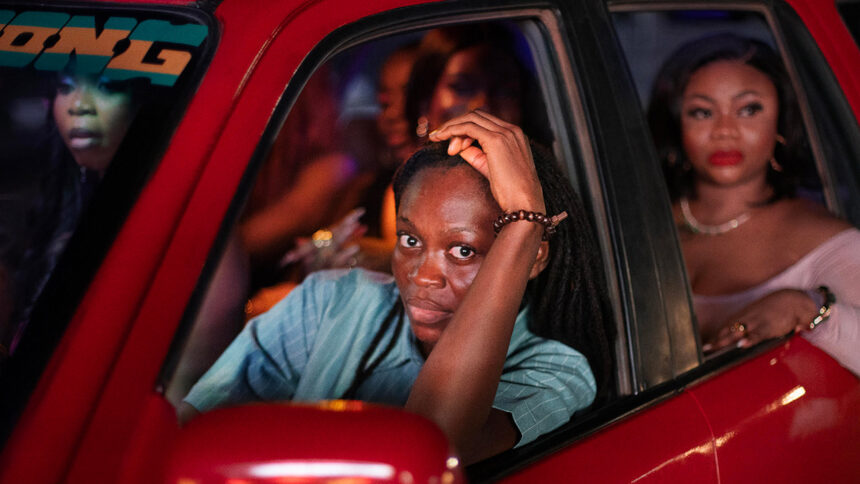
As a fuel crisis plagues the residents of Lagos, Nigeria, a young taxi driver dreams of a better life. The lady (Ojah, played by Jessica Gabriel) is one of the few female taxi drivers in the area, a fact she considers a point of pride. She refuses to organize with male taxi drivers, and instead focuses on making as much money as possible herself. Lady is saving to move to Freetown, a community of Africans who have returned to the continent after imperialism sent them and their loved ones elsewhere.
The closest thing she has to family in Lagos is Iya (Binta Ayo Mogaji), who lives with her and quietly takes care of her. But when her childhood friend Pinky (Amanda Oroh) comes back into her life, Lady’s dormant feelings begin to surface. Pinky is a sex worker and wants to offer her friend a chance to earn more money as a driver for her pimp, Fine Boy (Butchie Franklin). All the lady has to do is drive Pinky and the other women to and from their appointments around town.
Mrs.
Bottom line Live start.
place: Berlin Film Festival (Panorama); Sundance Film Festival (World Dramatic Competition)
ejaculate: Jessica Gabriel Ojah, Amanda Oro, Tinuade Jimesi, Binta Ayo Mogaji, Sion Kuti, Butchie Franklin
Director/Writer: Noso olives
1 hour and 33 minutes
Although initially hesitant, Lady accepts the job, secretly happy to have her friend back in her life. But on the surface, she’s angry about the circumstances of their reunion – Pinky left the life she had with Lady and Ea to do sex work, and now that she’s back, Lady struggles to accept her profession. But the need for money is enough to keep the lady leading the women. Besides Pinky, there is the outspoken Sugar (Tinuade Jemiseye), Cinderella (Eva Ibiam), Lolo (Precious Agu Eke), Lekpa (Fadesaye Olateru-Olagbegi), and Fanta (Agu Chinynee Esthyraph). Their names add a layer of fun to their work as the women try to stay positive about their lives and futures.
But despite their good attitudes, the lady can’t help but think that they are being used and taken advantage of. The concept of sex seems to scare her, but she gets into her car every night and drives them wherever they want to go. In the end, the lady just wants women to be safe, and who better to ensure that than her?
Climbing between the calm and calm mask she wears, the woman explodes with anger toward men and frustration with the patriarchal society she was born into. Even when the women try to get her to relax and party with them when they’re not working, Liddy can never stay in the moment for too long. Ojah plays Madame as a woman who is uncomfortable with her body, and uses her stiffness as a form of protection. At first, it seems like Lady might be a weirdo and secretly in love with Pinky, but as the film goes on a more complex dynamic emerges. Pinky allows the lady to yell and shame at her, and feels guilty for leaving her friend to become a lonely and anxious woman. But as time passes, the other workers tire of their caustic dynamic and begin investigating Lady to find out the reason for her anger. Despite all the conversation, it never became entirely clear.
Written and directed by Olive Nwosu, Mrs. It is a colorful and dark neo-noir film about the eternal struggle of women to gain and maintain their financial independence. By being a taxi driver, Lady is able to move through the world without thinking about her femininity or her body. But once Pinky is back in the picture, Lady is forced to confront her fear of sex and her aversion to men. There are no easy answers, just circular conversations. Every time the dialogue seemed to break out of its patterns, Lady would make another outburst. The film is at its best when the atmosphere is calm, showing the beauty of Lagos and the strength of the community.
throughout Mrs.a would-be activist by the name of DJ Revolution (Seun Kuti) can be heard in voiceover and on various car radios, talking about the political unrest in the city. Although our heroine tries to ignore it, its influence grows, but the political backdrop of the film feels underdeveloped. In the 93rd minute Mrs. It could be longer. Conversations between women can go further. Noso digs into fertile ground, but there’s always a sense that things could go deeper. In fact, the film excels at portraying the complexity of female friendship in a devastated and isolated economic landscape.