You know the feeling: You’re sitting in a movie theater. The movie feel It should also end soon. However, she just…keeps…moving forward.
It’s not your imagination. Major films with wide release are getting longer, even if the average film produced is not.
Researcher Stephen Volz examined the running times of 36,000 films released theatrically from 1980 to 2025 and discovered that the average length of a wide-release theatrical title has increased from approximately 106 minutes in the 1990s and early 2000s to 114 minutes in recent years. Movies with big budgets — more than $100 million — tend to be longer. He notes that pre-show ads and trailers have also expanded to average about 20 to 30 minutes. So you’re spending more time sitting in a theater seat than ever before.
Another way to look at this: In the 1980s, 14 percent of wide releases ran longer than two hours. In the 2020s, this number jumped to 32 percent.
The most responsible type? Action movies, which now average 128 minutes, are 25 minutes longer than they were a few decades ago.
If you think it’s because of franchise movies like Marvel, Mission: impossible and Fast and furious You’re probably right, as Follows’ research suggests that newer entries in several popular franchises have recently swelled to record run times.
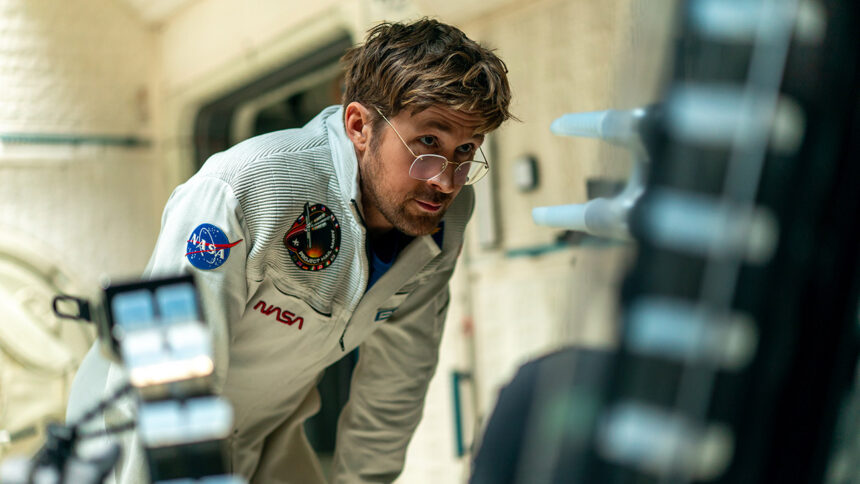
But it’s worth noting that a lot of non-franchise films have also passed the two-hour mark recently. The current king of the box office Hail Mary project Its duration is 156 minutes, Sand Dunes: Part Two He ran 166 minutes and Oppenheimer Ran 180 minutes.
However, films made for less than $10 million have been around the same amount of time over the decades.
The reasons for the growth are likely many, from the rise of digital viewing to studios increasingly wanting to make movies feel like major events — especially in this age when they’re trying to sell tickets to premium format theaters like IMAX.
But the biggest reason is probably that – as much as some moviegoers like to complain about long films – box office returns indicate that they appreciate a longer film when it’s a title they actually want to see. Lord of the Rings It can be said that the trilogy really helped move the needle in terms of changing the perception that images of epic events would not deter audiences (2003 theatrical release The return of the king(For example, I ran for nearly three and a half hours.)
Sand dunes Director Denis Villeneuve explained last year that young viewers, in particular, appreciate long films.
“Oppenheimer “It’s a 3-hour, R-rated, movie about nuclear physics and he’s mostly talking,” Villeneuve said. “But the audience was young, and this was pretty much the movie of the year for my kids.” There is a trend. Young people like to watch feature films because if they pay, they want to see something substantial. “They crave meaningful content.”
However, many of the greatest popcorn movies of all time manage to tell epic stories and clock in at more than two hours long: Back to the future Just under two hours. Star Wars: The Empire Strikes Back Only two hours and four minutes. Jurassic Park and Spider-Man 2 It was two hours and seven minutes.