iTimes In / Updated: 19 July 2026 at 15:26 IST
aa
Text size
- small
- Mediation
- big
1/7
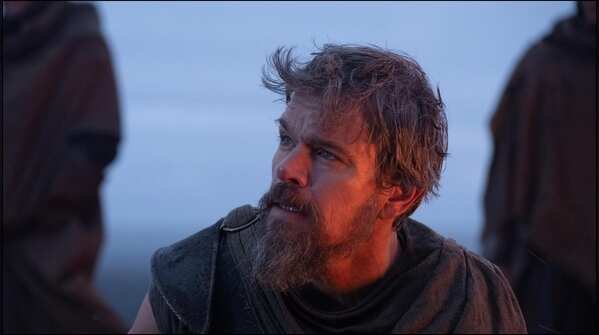
From Homer’s Greek classics to Christopher Nolan’s “The Odyssey”: the main differences between the book and the movie
While Christopher Nolan’s “The Odyssey” is making its rounds in theaters and has already done good numbers at the box office, fans have pointed out some differences in the retelling of the Greek classic. While it would have been natural for the director to skip some pivotal scenes from Homer’s Odyssey, specifically due to the text’s sheer length, fans have noted that the film has few aspects compared to Homer’s poem, even beyond the modern-day use of dialogue. Here are some examples from the 2026 Odyssey that look very different from their reference text in Homer’s Odyssey.
2/7
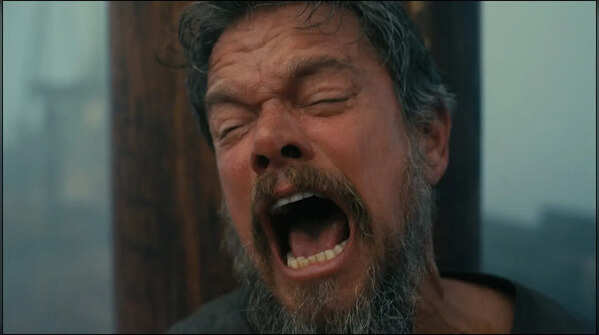
King Odysseus is driven by guilt in the film, while his arrogance takes center stage in Homer’s texts
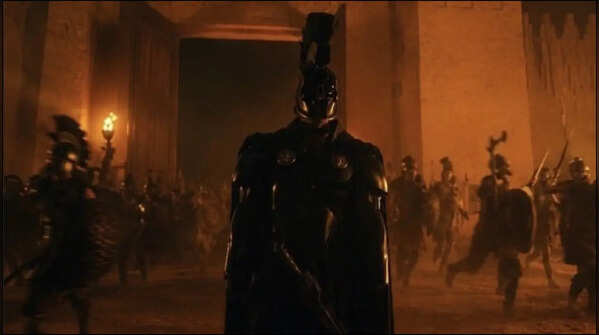
In Homer’s poems, Odysseus’s arrogance takes center stage and is one of the driving forces in his life and journey home. However, in the film, his guilt over his actions during the Trojan War takes center stage. In the film, he also feels that he has violated Zeus’s code of hospitality. In the film, during his visit to the underworld, he is chased by soldiers who died in the war, and Athena takes the form of a Trojan priestess who was killed during the war before him.
3/7
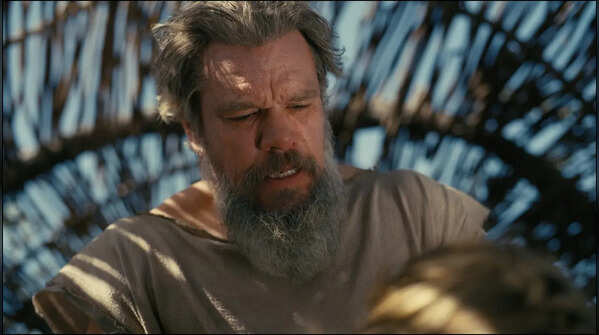
King Odysseus succumbs to the forgotten lotus flower
In the poems, when the king and his soldiers were stranded on the island of the lotus eaters, everyone on his crew except him ate the flower. His soldiers do not want to return home. However, Ithaca and the return to his wife and son remain his strongest driving forces. However, the entire island plot was removed from the film. Instead, he merges the lotus flower with the plot of Calypso, who feeds him the flowers and keeps him with her on her island for 7 years.
4/7
Many key parts of Homer’s poems are missing
Poseidon’s anger that Odysseus blinded his son and revealed his identity is one of the main reasons why it took him 10 years to return home to Ithaca. However, the part where he tells the Son of God and tricks him by telling him that there is no one has been deleted. The bag of wind that Aeolus gives him, as well as the time he spends telling his story to the fascists, account for a lot of the central missing aspects of the film. This also includes his failure to meet Achilles in the underworld, as the book mentioned. Not only that, but Odysseus’s mother, whom he also found in the underworld, was also nowhere to be found.
5/7
The Greek Pantheon is not a major part of Christopher Nolan’s film
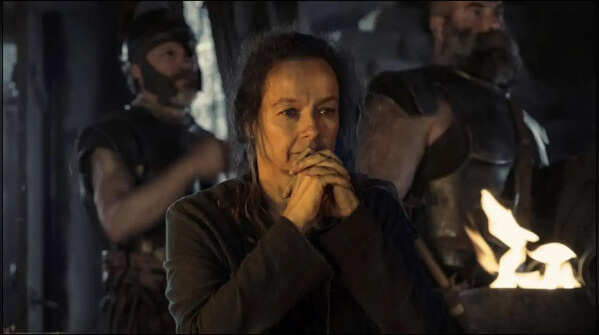
Homer’s texts fit the time in which they were written, with the Greek gods and their actions taking a central place in the construction of the story. From Athena and Poseidon being the main forces in the king’s life, to Hermes who helped him. However, in the film, all the remaining gods take a backseat and are represented only as forces of nature. Only Athena gets a movie role in Nolan’s film as the king’s mentor and supporter.

6/7
Antony’s story is different from the book, while Sinon is added to the plot
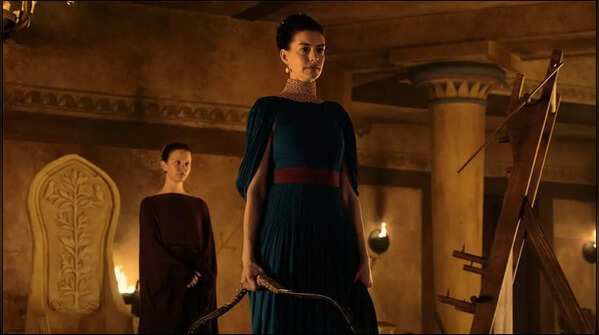
Sinon, originally depicted as Odysseus’ cousin in the texts, appears as the son of a shepherd who is conscripted into the war in Antinous’ place. In the film, he remains ignorant of the entire plan and is also killed without knowing the full truth. However, he is shown to reunite with the King when the latter visits the underworld in the film, berating him for keeping the whole truth to himself. Antony, one of Penelope’s most persistent suitors, is greatly disliked by Odysseus, who begins to hate him even more after discovering that he has tricked Sinon into taking his place. In the poems, when the king returns, Antony is the first to die at his hands; However, in the film, Odysseus saves him for last.
7/7
Christopher Nolan changes the ending of “The Odyssey”
The main texts show how the king returns, kills Penelope’s suitors, and takes the throne again. He also makes a deal with the families of the suitors he killed, promising not to attack him in revenge. Homer shows Odysseus becoming king of Ithaca again, with his son Telemachus, next in line to be king. However, since the film is driven more by his guilt over his actions than his pride, he pays the price for his actions and violation of Zeus’ law. In the film, he instead goes into exile with his wife, leaving his son behind to take the throne.
Follow us on social media