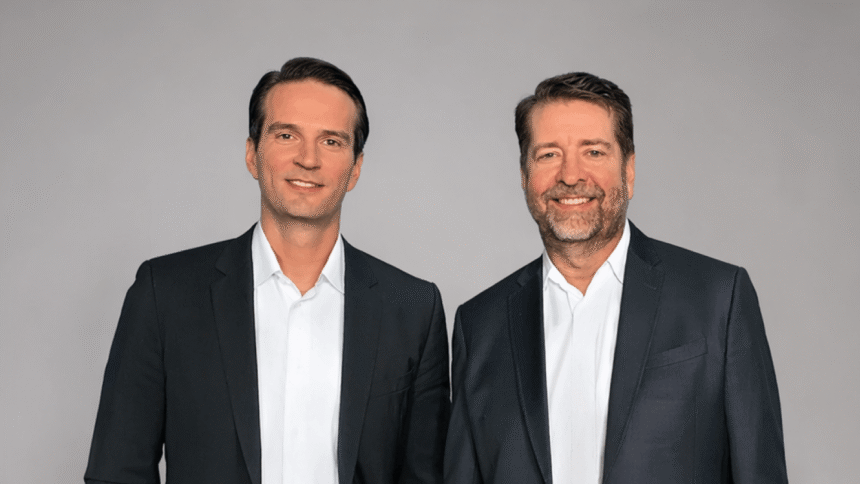
BMG and Concord are merging, the companies announced Tuesday, a major move that combines the music industry’s two largest independent labels and creates a new entity closer in size to the Big Three labels.
Financial details of the agreement were not disclosed, although Bloomberg previously reported that the deal could be worth up to $7 billion. BMG’s parent company, German media giant Bertelsmann, will own 67% of the company while Green Mountain Partners will own 33%. Closing of the transaction is subject to regulatory approval.
The new company will operate under the name BMG. Current BMG CEO Thomas Quesfeld, who is set to become CEO of BMG’s parent company Bertelsmann, will become chairman of BMG, while Concord CEO Bob Valentine will be CEO of BMG. The publishing division of the new company will be called BMG Publishing, while the recorded music division will be known as Concord Records.
The largest stakeholders in the music industry are the “Big Three” major music companies: Universal Music Group, Sony Music Group, and Warner Music Group. While the combined BMG and Concord are not quite as large as those three companies, the combined size of the new company gives it the ability to compete with large enough companies that it can be considered a fourth major player. Regardless, BMG is now undoubtedly the largest independent music label in the industry.
“We believe this is a truly unique opportunity to bring together two world-class teams and rosters at the right moment, as the scale of rights ownership becomes increasingly critical to long-term growth,” Quesfeld said in a statement. Quesfeld added that the combined company “will deepen our position as the global partner of choice for artists, songwriters and platforms, combining the scale, speed and independence they value.”
Artists represented by the combined BMG and Concord include Jelly Roll, Lenny Wilson, Paul Simon, Phil Collins, and Daft Punk.
As Valentine said: “Our greater scale will allow us to invest more in creative talent, global reach, accretive acquisition opportunities, and technology, while maintaining the entrepreneurial spirit and nimbleness that artists and songwriters value most. This isn’t about duplicating the master brand model; it’s about using scale to drive independence. Together, we will build a company that gives artists more access and more flexibility — all designed to support their distinct visions.”