

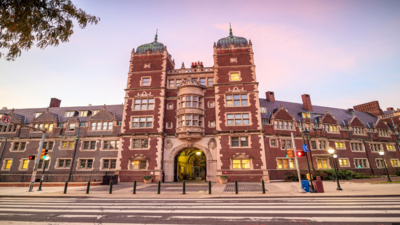
A federal judge has ordered the University of Pennsylvania to submit records related to Jewish employees to the U.S. Equal Employment Opportunity Commission as part of an investigation into alleged anti-Semitic discrimination, limiting the scope of disclosure.according to news agencyUS District Judge Gerald Papert said employees may decline to participate in the investigation, but the committee should be allowed to contact them directly. “The agency needs the opportunity to talk to them directly to see if they have evidence of discrimination,” Papert said. AP Reports.
Limits of the subpoena and deadline for compliance
The judge largely upheld the committee’s administrative subpoena. However, it was ruled that the university was not obligated to disclose any employee’s affiliation with organizations related to Judaism.
The court also said the university did not need to provide information about three specific groups and set a May 1 compliance deadline.
University response and planned appeal
A university spokesperson said in a statement that the institution is committed to tackling anti-Semitism and discrimination. The university said it plans to appeal the order. “Although we recognize the important role the EEOC plays in investigating discrimination, we also have an obligation to protect the rights of our employees,” the statement said. AP.
She added that creating lists of Jewish faculty and staff and sharing personal contact details raises privacy and First Amendment concerns. The university also said it does not keep employee records based on religion.according to APA former federal official said it is not unusual for investigators to request information about employees of a particular religion to identify potential victims and witnesses in discrimination cases.
Judge criticizes Holocaust comparisons
In his ruling, Baber criticized the comparisons made by the university and other parties involved in the case. He said they escalated the conflict by likening the investigation to the Holocaust and the Nazis compiling lists of Jews. The judge described such comparisons as inappropriate.Papert also said the committee is no longer seeking details about employees’ affiliations with specific Jewish organizations on campus.
Exemption for Jewish organizations
The court excluded three organizations from the scope of the subpoena: MEOR, Penn Hillel, and Habad Lubavitch House. Leaders of these groups said in court filings that they operated independently of the university.“The privacy of people who use Chabad’s Pennsylvania services and facilities is vital to Chabad’s operations in Pennsylvania,” Rabbi Menachem Schmidt said in a January announcement.
Incidents that prompted an investigation
The EEOC’s investigation was prompted in part by incidents that occurred on campus.
These included anti-Semitic insults directed at a Jewish student center, property damage, the drawing of swastikas on an academic building, and graffiti outside a fraternity house.The investigation also examined campus protests related to the war in Gaza and the university’s response to those events.
Position of the Equal Employment Opportunity Commission
In a November report, the committee said the university’s working environment included widespread anti-Semitism. She told the court that identifying individuals who may have witnessed or been exposed to such conditions is essential to determining whether a work environment is hostile.