

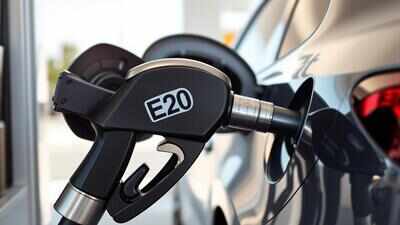
As E20 ethanol-blended gasoline becomes the norm across the country, concerns are growing about its impact on vehicles and safety. Industry experts have sought to allay those concerns, saying the fuel has undergone years of testing and is safe even for vehicles manufactured before the introduction of E20.
Consumer executives have emphasized the use of E20 ethanol-blended gasoline, saying the fuel is safe for vehicles manufactured before the E20 mandate, has undergone extensive scientific testing and meets stringent quality standards. They also said the program helped reduce India’s dependence on crude oil imports.Speaking at a press conference, the experts said the country’s ethanol blending program was introduced through a phased, science-based approach after extensive consultations with automakers, testing agencies and other stakeholders before a nationwide rollout.Ex-Engineers of India Limited Chairman and Managing Director Vartika Shukla said the program was the result of years of scientific evaluation and not a sudden political decision. She said: “Blending ethanol with gasoline did not happen overnight. Rather, it is a scientifically calculated step-by-step process.”Blending of ethanol with gasoline has risen from about 1.5% in 2013-14 to 20% by December 2025, enabling India to meet its target five years ahead of schedule, Shukla said.
It said the program is backed by “extensive scientific evidence and testing” conducted by car manufacturers, the Automotive Research Association of India (ARAI) and the Society of Indian Automobile Manufacturers (SIAM). The initiative follows practices adopted by countries including the United States, Brazil, Canada and Germany, and has also contributed to reducing crude oil imports, reducing India’s vulnerability during the recent geopolitical turmoil, it added.Vehicles and fuels available in India undergo stringent testing and certification before reaching consumers, said Vikram Gulati, Regional President and Executive Vice President, Corporate Affairs and Governance, Toyota Kirloskar Motor.“The vehicles available to consumers are very well engineered, well engineered and have a very formidable element of oversight through technically sound testing agencies,” he said.Gulati described ethanol as a “very good fuel” and said it provides high performance while helping reduce carbon emissions.“In an era when we are facing the issue of climate change… this is a carbon-neutral fuel because it is derived from plants,” he said, adding that blending ethanol also helped protect consumers and the economy when global crude oil supplies came under pressure.Rahul Bharti, Chief Corporate Officer, Maruti Suzuki India, addressed concerns surrounding older vehicles that were originally designed to run on E10 fuel.“As a manufacturer, we have tested E10 cars…on E20 fuel for all standards and have not found anything of concern,” he said.Bharti said the company has built sufficient safety margins into the design and testing of vehicles to ensure there are no issues with wear, corrosion or component life, even when pre-2023 vehicles use E20 fuel.Speaking on behalf of Hero MotoCorp, business head Ashutosh Verma said the company’s testing and service records from millions of two-wheelers also support the safety of E20 fuel.“We analyze millions of service data that we have, and … there is absolutely no damage to vehicles running on E20 compared to vehicles that were fueled before E20,” he said.