When Jeff Dyer thinks about a book, he begins with this note to himself: “Remember to write the book that only you can write.” This has sent him in many directions and places over the years.

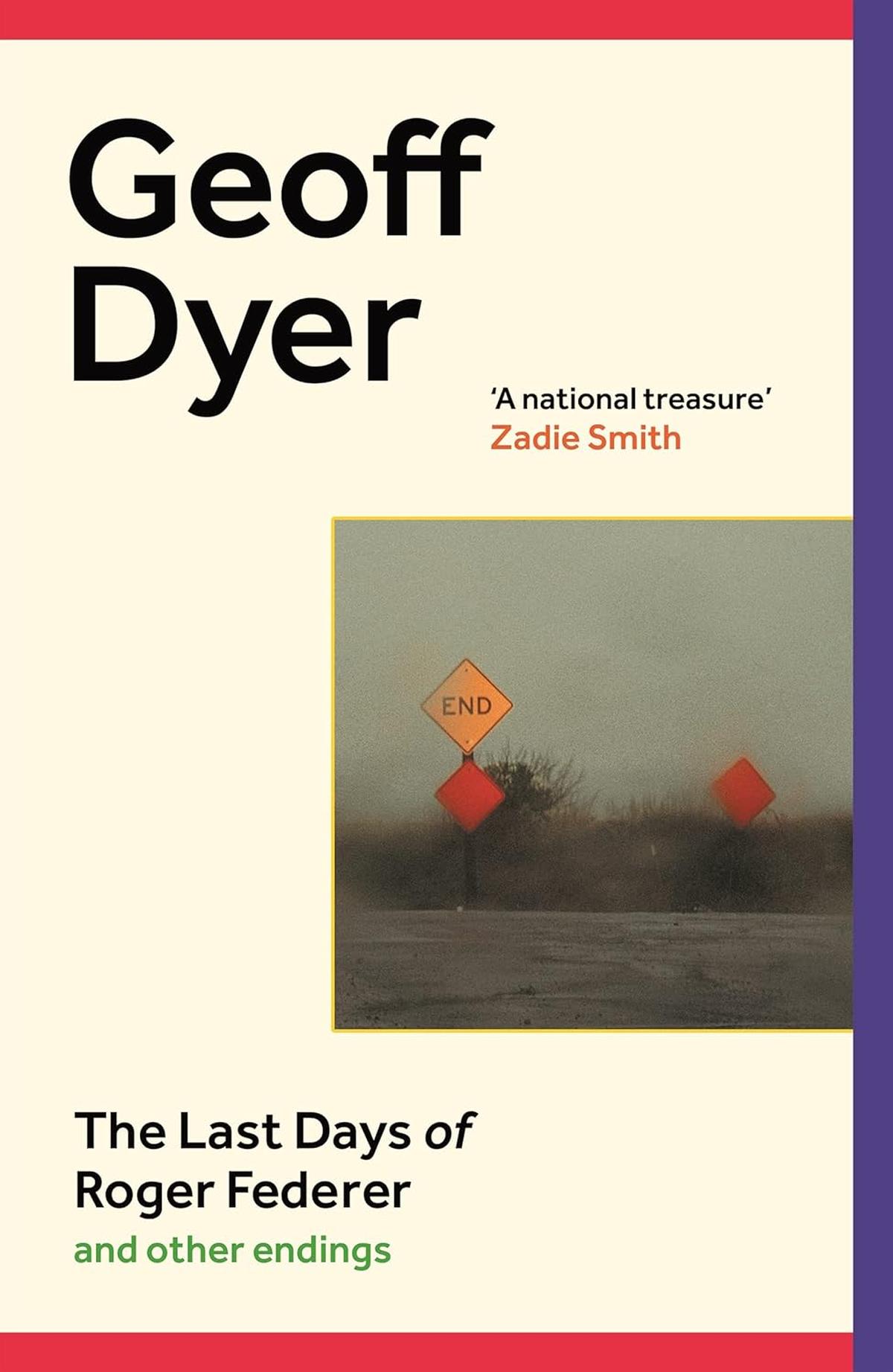
His readers traveled with him, knowing that a book about D. H. Lawrence (Of absolute rage or The bad side of books) will not only be about the controversial British writer; Or a book about jazz, But beautifulIt will not simply be a biography of the model or its practitioners. His last two books follow the same path. Roger Federer’s final days – and other endings It’s not really about the tennis professor, the bigger theme of the book is about quitting smoking and thinking about time.
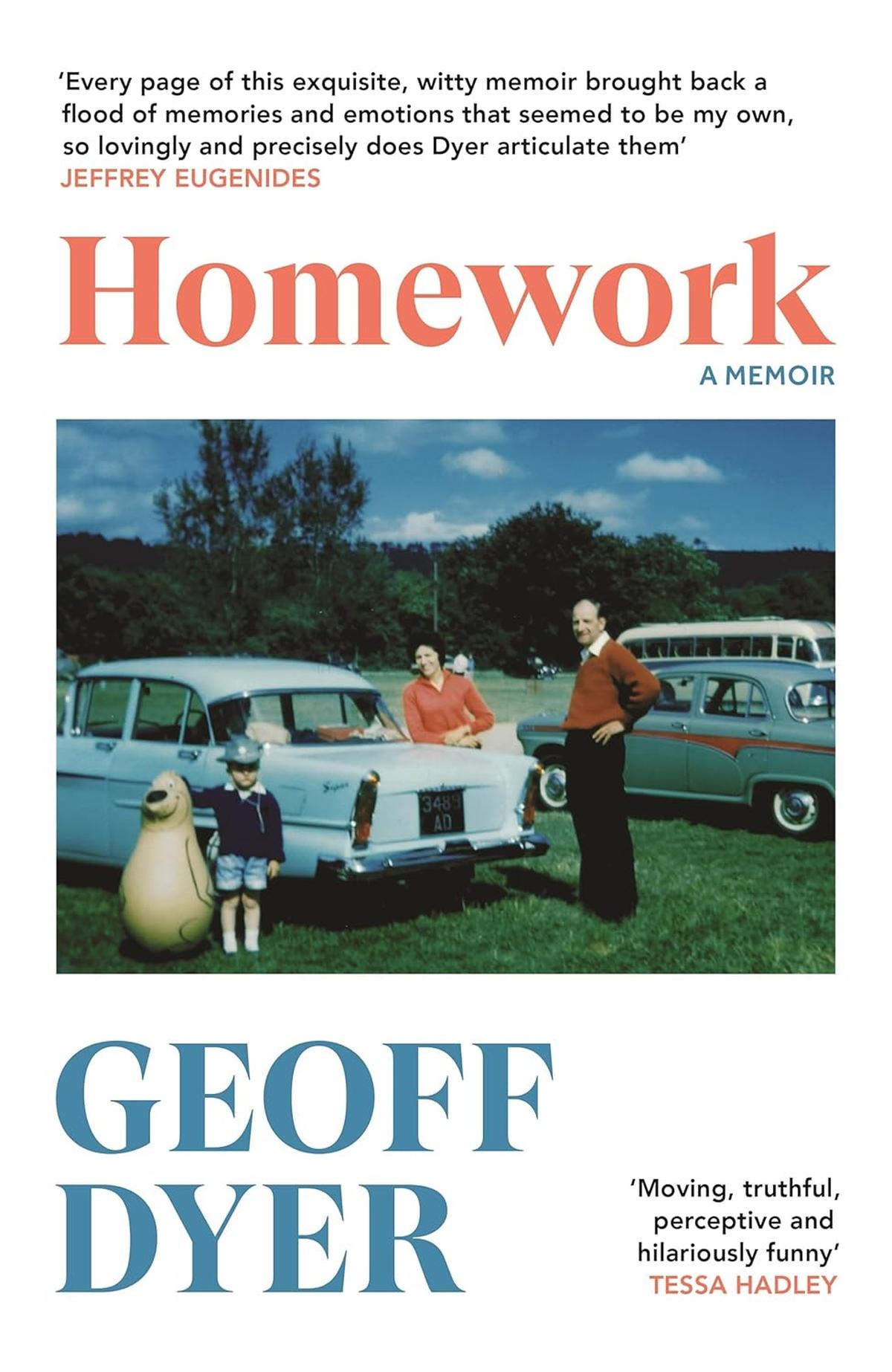
As soon as he finished his book on “endings,” he returned to the beginning, so to speak, to write about his parents and his childhood. but Homework: notes It is a book about his and his parents’ formative years – “I’m a chief archivist when I was one child” – as much as it is about Britain changing, historically and culturally, “and preserving an England that has now disappeared.”

During his recent visit to India, when he attended two literary festivals in Jaipur and Kolkata, it was no surprise to find Dyer at various sessions on fiction and non-fiction, speaking eloquently about travel, place, photography, memory, past, present, tennis and art.
Meeting Berger at the bar
Dyer recalls the “astonishing influence” of John Berger, and why the British art critic and writer’s words and thoughts resonate in these fractured times, and in his centenary year. His work has helped me “see clearer,” a phrase that doesn’t just apply to art [Rilke on Cezanne] But also to the imagination, so that the reader can see the scene. This is really essential in writing.
For Dyer, Berger was not only inspiring as a writer with “many wonderful ideas”, but also as a man who was wise and sympathetic, and who called liberal capitalists “fanatical philistines” because they allowed one idea to dominate the world, the idea of ever-increasing profit. Berger is a real force to be reckoned with, Dyer feels, in a broken world, where politicians like Donald Trump unfortunately wield outsized influence despite their petty handling of everything from Ukraine to Gaza.
Dyer’s writing career began with a book critical of Berger’s work, based on one of his most famous works, Ways of seeing. Published 1986, Dyer’s traditional critique, Methods of the Novel: The Work of John Berger, is out of print. Dyer may not have been too upset about this given that his various hard-to-classify and ‘imaginative-critical’ works came later. But meeting Berger in a pub and the friendship they formed were important milestones in Dyer’s literary journey, something he cherishes.
He found his voice and literary style, moving between novels, articles, and criticism, and always tried to choose the appropriate form for the topic. When he got to his diary, home work“The way to deal with my childhood was to do it in a very conventional way,” it turns out. So, he detailed his own experience closely, which is exactly why he feels it has struck a chord with people in another part of the world. “It is universal only by virtue of its specificity.”
Writing from the edge
If Dyer is fascinated by a topic, such as the two world wars, he first tries to find out why, then pushes it forward. He gives an example of his 1994 book, The disappearance of the sum: “By sticking closely to my own feelings about the topic, I was usually able to express others’ feelings about why the topic still resonated.”
The last days of Roger Federer It was published in 2022 and scoffs at any suggestion that it may have inadvertently led other writers down the path of writing to endings (Salman Rushdie/Eleven o’clock; Julian Barnes/departure)). “The whole book came out of the awareness that I was no longer 25,” Dyer, 67, says.
“But I was also aware that I ended up having a long writing career and I was interested in understanding what determined its length. While I joke in the book, what kept me going was the belief that I was almost done.”
with The last days of Roger FedererDyer had a lot of fun, such as counting down the words to exactly 86,400, which is the number of seconds in a day. All this, taking into account Nietzsche’s “inexhaustible” brilliance, as well as his downfall, Bob Dylan’s embodiment of old songs, and the possibility that “I’ll probably go to my grave without ever knowing it.” The Brothers Karamazov expertise”.
What’s next on Dyer’s map? “I’m making very little progress on what I think might be a novella about a little trip taken by a group of friends,” he smiles. His reading is also impaired, because he is distracted by “funny Instagram videos.”
sudipta.datta@thehindu.co.in