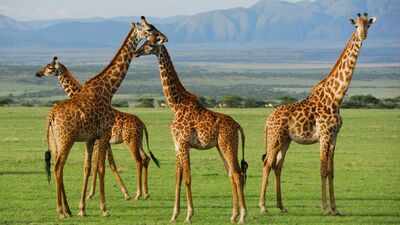
On a cold morning in Uganda’s largest national park, rangers did more than just prepare for a conservation mission: they prepared to protect the future of one of Africa’s most iconic animals.
With calm coordination, some songs, and a great deal of experience, wildlife officials have begun moving 12 endangered Nubian giraffes from Murchison Falls National Park to a new home in the Ajai Wildlife Sanctuary.The effort is not limited to transporting animals from one place to another. It’s about giving threatened species a better chance of surviving in a landscape increasingly shaped by oil drilling, habitat pressure, climate change, and human activity.
For Ugandan wildlife authorities, the relocation is a practical conservation response to a problem that is becoming more urgent by the day, according to AP News.
Cautious rescue mission
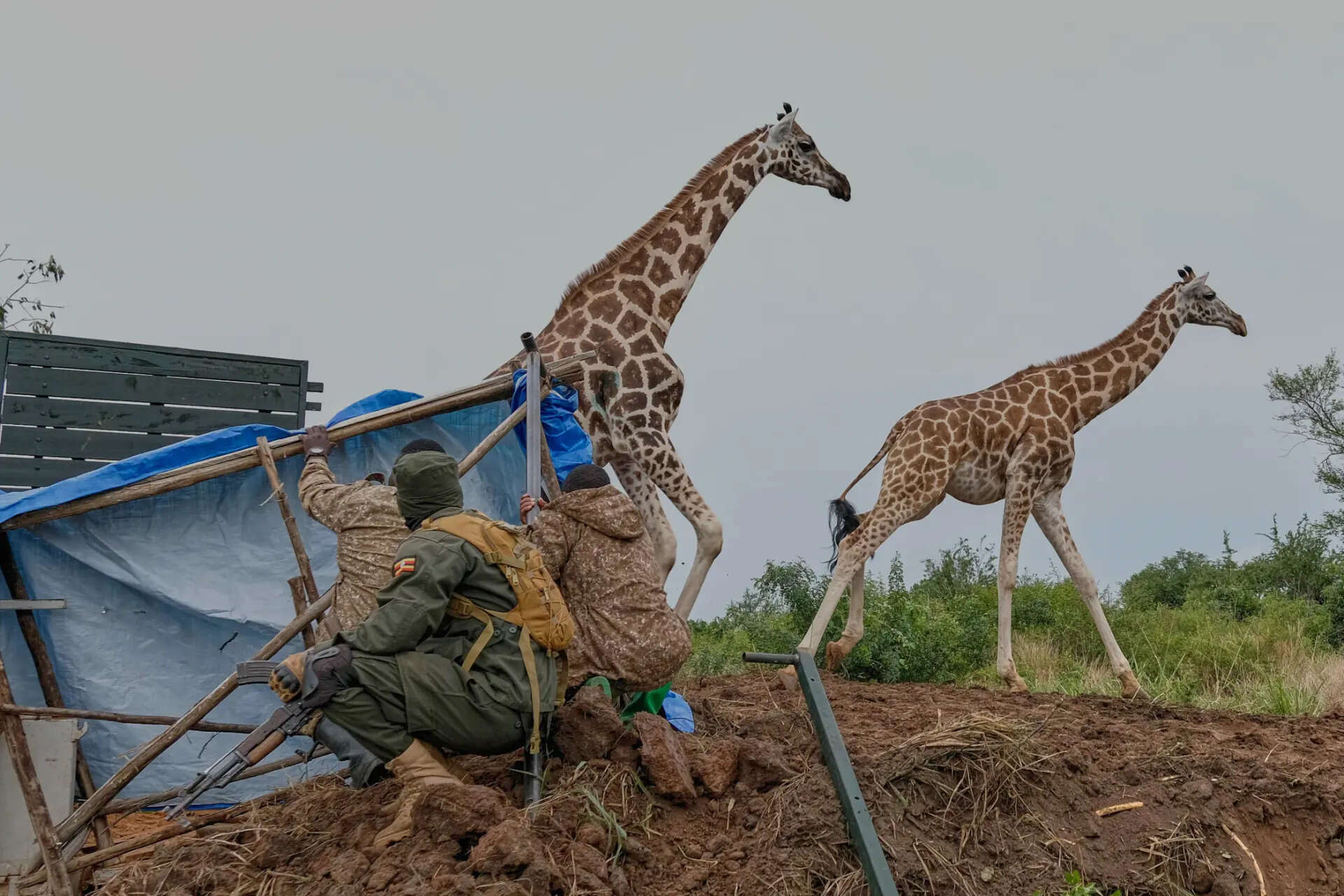
Nubian giraffes are released by rangers and veterinarians with the Uganda Wildlife Authority (UWA) as they are transported from Murchison Falls National Park to Ajayi Wildlife Sanctuary near Arua, northwestern Uganda, Tuesday, July 21, 2026. (AP Photo/Hajarah Nalwadda)
The giraffes were transported about 106 kilometers, or 65 miles, from Murchison Falls National Park to Ajai Wildlife Sanctuary. The relocation process began on Tuesday and was expected to take a few days, with each step carefully planned to minimize stress on the animals.
Before the trip began, officials briefed the team, and rangers helped guide the giraffes to waiting trucks. Tree branches were placed inside so the animals could chew during the flight, a small but important detail designed to keep them calmer and more comfortable. The operation required veterinarians, rangers and support teams working meticulously together.The mission was led by Patrick Atemende, Assistant Commissioner for Veterinary Services at the Uganda Wildlife Authority.
He explained that establishing new populations in protected areas away from the most stressed habitats is a smart conservation strategy, especially if drilling and other developments continue to impact the park, the Associated Press reported.
Why is this step important?
Murchison Falls National Park is not only one of Uganda’s most famous wildlife areas, but it is also located on top of valuable oil deposits. An estimated 40% of Uganda’s oil reserves are located in and around the Murchison Falls area, and drilling activity has increased in recent months, including the movement of heavy machinery through parts of the park.Uganda is pushing to start producing oil from the area, and TotalEnergies began drilling in the Tilinga project area in June 2023. For conservationists, this has raised serious concerns about the future of wildlife in one of the country’s most important ecosystems.The Nubian giraffe is already considered endangered in parts of its range, and Uganda wants to expand its presence in response to growing threats.
Besides oil and gas activities, officials also point to tourism development, climate change, jungle encroachment and invasive species as pressures that are reducing usable habitat.Attimendi described the conservation rationale clearly: If the habitat at Murchison Falls becomes more stressed, a separate population elsewhere could help conserve the species. In his view, establishing a “seed collection” in another protected area about 100 kilometers away is the right decision for long-term survival.
A second chance for Ajay
The giraffe destination, Ajay Wildlife Sanctuary, has its own powerful story. The reserve, which was rich in wildlife, lost most of its animals in the early 1980s due to poaching and prolonged insecurity in Uganda. For decades, it has remained a place of memory rather than abundance.However, today Ajay is being rebuilt as part of ecological restoration efforts. Besides giraffes, other species such as southern white rhinos, buffalo, zebras and hundreds of Ugandan kob are being reintroduced to restore the balance of the reserve’s ecosystem.Wilson Catamegua, chief ranger of the Ajayi Wildlife Sanctuary, said the animals were already doing well and reproducing. He pointed out that many of them are pregnant, and they are spread throughout the reserve, inside and outside the electric fence. This is a strong sign that restoration efforts are beginning to bear fruit.The reserve, established in 1937, is now being protected more actively. One section was fenced off, the numbers of rangers increased, and local communities were educated about the importance of environmental conservation.
Community members also receive a share of tourism revenue, giving them a direct stake in wildlife protection.
Conservation and society
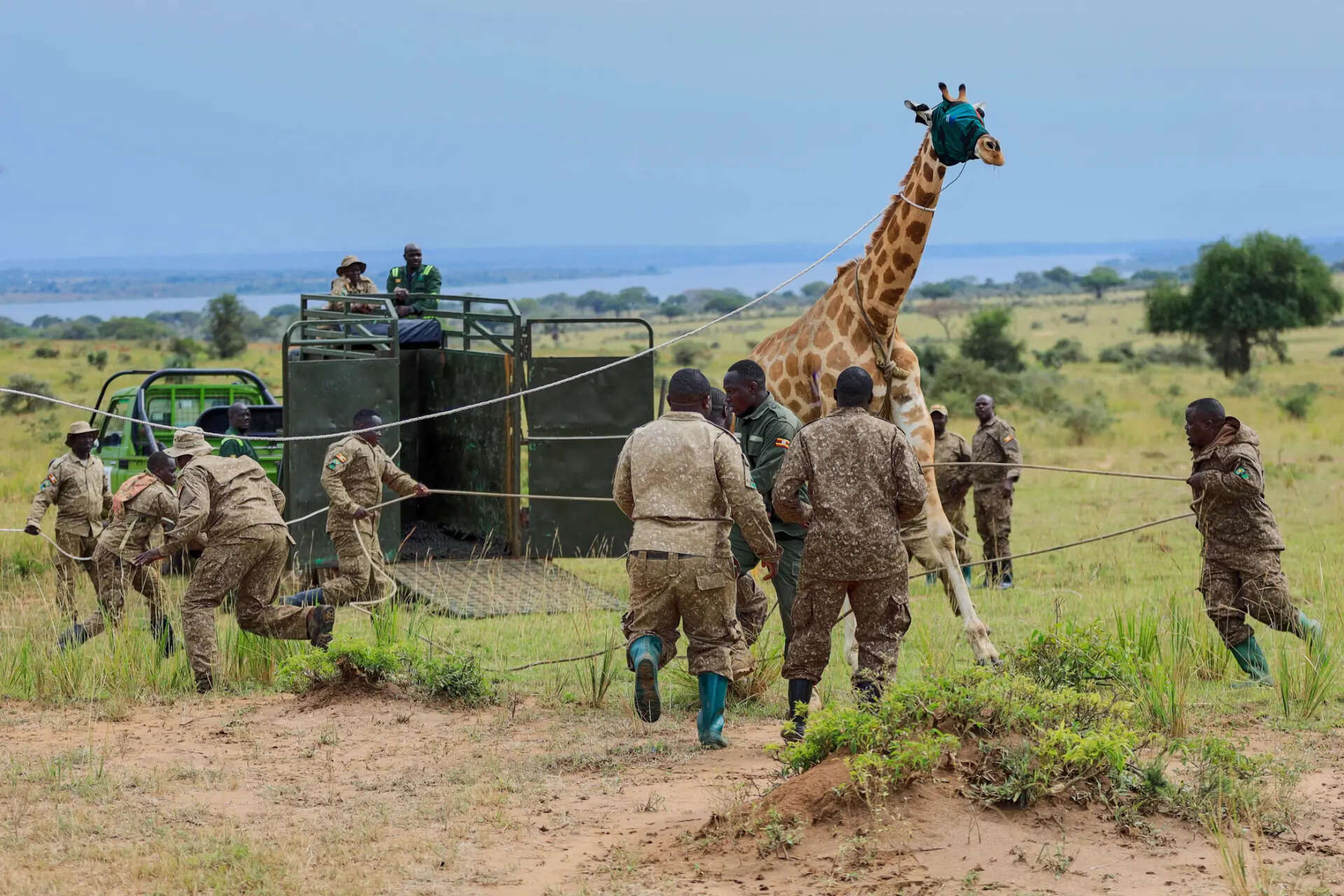
Uganda Wildlife Authority (UWA) rangers and veterinarians restrain a drugged Nubian giraffe as it is transported from Murchison Falls National Park to Ajayi Wildlife Sanctuary near Arua, northwestern Uganda, Wednesday, July 22, 2026. (AP Photo/Hajarah Nalwadda)
One of the most encouraging parts of the project is the role of neighboring communities. Wildlife officials say residents have been involved, informed and involved in the process, which is essential if the reserve is to remain protected over time. Catamegua said the relationship with the district leadership is positive and that the communities are ready to keep the animals with the authorities.Local support is important. In places where wildlife conservation depends on coexistence with humans, success is rarely limited to fences, trucks or veterinary care. It also depends on trust, education and a feeling that communities benefit from protecting nature rather than losing out to it.After the giraffe relocation is complete, people from surrounding communities will be invited to the reserve to see the animals.
For many, this will be the first time in decades that giraffes have returned to an area where they once became extinct.Musa Ayoti, a local resident, said the community is conscious and vigilant, and believes people will take good care of the animals because they belong to the local community as well. His enthusiasm reflects a broader hope: that conservation can bring ecological healing and economic opportunity.
More than protecting wildlife
For officials in Uganda, the move is about more than just saving giraffes from imminent danger.
It is also about building a future in which conservation, tourism and community livelihoods can grow together. Katamegwa said the long-term dream is to see the local economy expand and fully bring the Madi Okolo region into the tourism economy.This is the true promise of transition. If the project is successful, Ajayi Wildlife Sanctuary could become a symbol of restoration; Evidence that a region emptied by conflict and poaching can be restored to life through careful planning and shared commitment.Right now, the image of giraffes stepping off trucks into a new landscape carries a powerful message. In a country that balances development with environmental conservation, Uganda is trying to make room for both, making sure that one of the tallest and most agile creatures still has room to roam.With inputs from AP