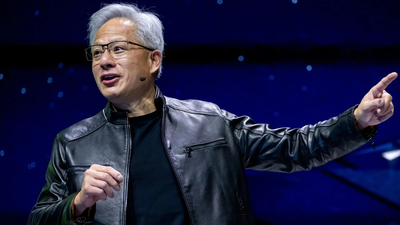
Nvidia CEO Jensen Huang and his wife, Lori Huang, have pledged a matching gift of $75 million to Vanderbilt University to create a new college of art, architecture and design in San Francisco while preserving the legacy of California College of the Arts (CCA).
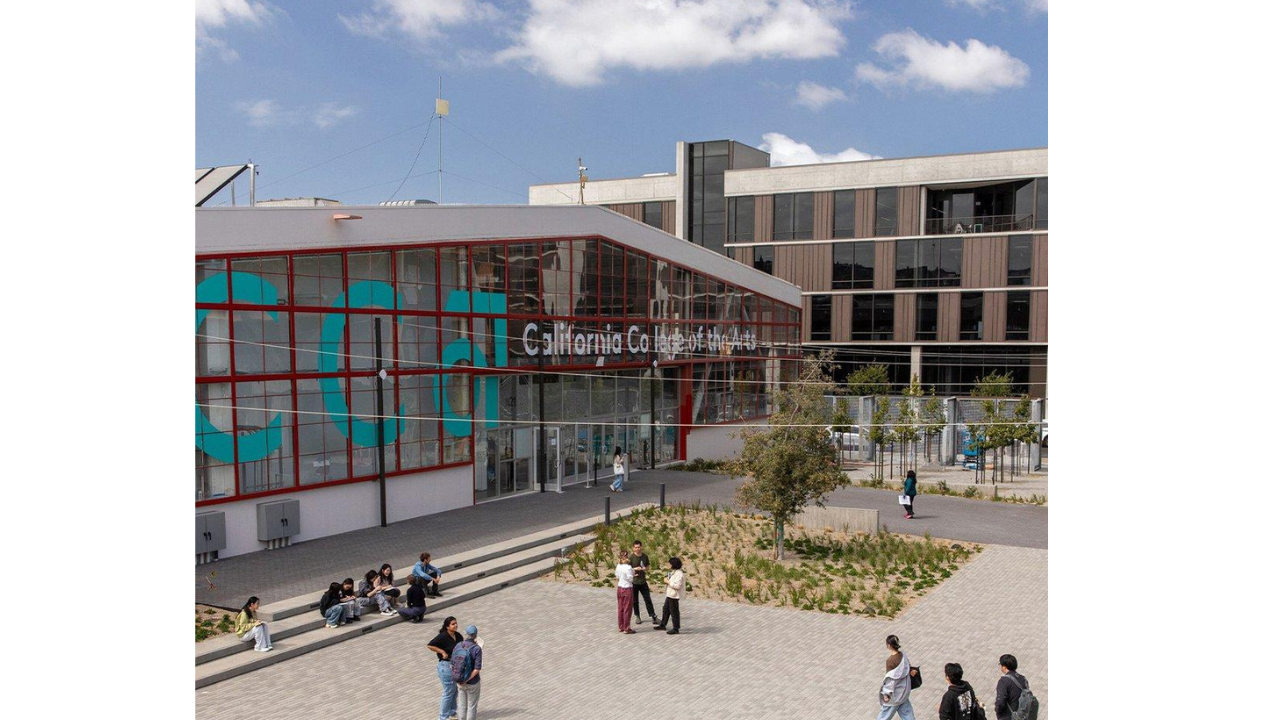
The donation, announced through the Jen-Hsun and Lori Huang Foundation, is the couple’s largest college gift to date. This comes as Vanderbilt prepares to take over the CCA campus after the popular art school announced it will close its doors after the 2026-27 academic year. The investment will support a new institution that blends studio-based arts education with architecture, design, technology and innovation, ensuring that essential elements of CCA’s artistic heritage continue for generations to come.
Nvidia CEO Jensen Huang’s $75 million donation becomes the largest college gift of his career
The Huang family’s $75 million contribution represents the largest university donation in Jensen Huang’s philanthropic career and indicates his growing interest in shaping the future of education beyond engineering and computer science. The gift is structured as a matching donation, meaning Vanderbilt must raise another $75 million before receiving the full amount. Fundraising efforts have already gained strong momentum, with more than $100 million committed and more than 40% of the matching goal secured.
The project also reflects Huang’s broader philosophy that creativity, design and technology should evolve together to solve tomorrow’s challenges.
Why is California College of the Arts closing?
Founded in 1907, California College of the Arts has educated generations of influential artists, architects, designers, and creative thinkers. Graduates have gone on to shape industries ranging from fine arts and industrial design to animation, fashion and architecture.
Despite its global reputation, the institution has struggled with declining enrollment, high operating costs and financial pressures that have intensified following the COVID-19 pandemic.
Its closure after the 2026-27 academic year represents one of the most significant losses of independent arts education in the United States, highlighting the growing economic challenges faced by specialized creative institutions.
Vanderbilt’s vision for a new, innovative college
Rather than simply occupying the former CCA campus, Vanderbilt intends to create an interdisciplinary institution designed for the future of creative education. The Jen-Hsun and Lori Huang College of Art, Architecture and Design will combine traditional studio practices with emerging fields such as artificial intelligence, digital design, advanced manufacturing, and interdisciplinary research. Undergraduate and graduate students will work alongside engineers, entrepreneurs and scientists, reflecting the growing demand for professionals who can combine technical imagination with technological expertise.
The university believes that this model will prepare graduates for careers that increasingly cross the boundaries between art, business and innovation.
Preserving the legacy of California College of the Arts
While CCA will cease to operate as an independent institution, Vanderbilt says the school’s identity will not simply disappear. The university plans to establish the California College of the Arts Institute at Vanderbilt University, dedicated to preserving the college’s artistic philosophy, archives, and cultural contributions.
The Institute will continue to operate the Wattis Institute for Contemporary Arts, expand artist residencies and fellowships, preserve historical collections and support research into contemporary creative practices.
Vanderbilt hopes these initiatives will ensure that the CCA’s influence continues to inspire artists and designers long after the institution itself has closed.
Jensen Huang’s vision for the future of creativity
For Huang, the donation is about more than just building new academic buildings.
He has repeatedly argued that technological progress alone cannot solve humanity’s greatest challenges without imagination, artistic thinking, and human-centered design. Announcing the gift, Huang said technology expands what people can build, but art and design define why these creations are important. He believes that the most significant innovations emerge when artists, architects, engineers and scientists collaborate, making creative education increasingly important in an age defined by artificial intelligence and rapid technological change.
Building on years of support for arts education
The latest donation builds on previous efforts by the Huang family to support California College of the Arts during one of the most difficult periods in its history. In 2025, they pledged a matching gift of $22.5 million aimed at helping CCA stabilize its finances and explore long-term solutions. Although the institution was ultimately unable to avoid closure, this funding gave university leaders valuable time to pursue alternatives, ultimately leading to Vanderbilt’s acquisition of the campus.
Together, the Hwang family has committed $97.5 million to preserve CCA’s legacy and support its transition into a new chapter.
What this announcement means for San Francisco’s creative community
The creation of the new Vanderbilt College is expected to have a lasting impact on San Francisco’s cultural and innovation landscape. The city has long been recognized as a global technology hub, but has also seen many arts organizations close due to rising costs and changing economic conditions.
Supporters believe Vanderbilt’s investment could boost the city’s creative ecosystem by attracting students, artists, researchers and entrepreneurs from around the world.
They also see an opportunity to build stronger partnerships between universities, museums, cultural institutions and the technology sector.
A new chapter in creative education
The move from California College of the Arts to the new Vanderbilt institution represents more than simply replacing one university with another. It reflects a broader shift in how creative education is developing around the world. As technology becomes more deeply integrated into every creative profession, universities are increasingly looking for ways to combine artistic excellence with scientific research and innovation.
Supported by Jensen Huang’s record-breaking donation, Vanderbilt hopes to create a college that honors CCA’s remarkable legacy while preparing future generations of artists, architects, and designers for a rapidly changing world.