

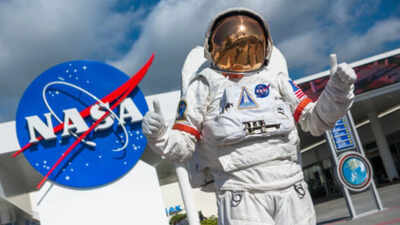
A glossy resume, keen intelligence, and competent physique are still not enough to get you into NASA. The best space agency in the world is not a fan of paper qualifications and requires the individual to pass real-life tests.
In the agency’s 2021 selection cycle, the 30 finalists completed individual exercises under time pressure, a group simulation with what the agency described as a “very high cognitive load,” nearly six hours of psychological testing and three-and-a-half hours of behavioral and psychological interviews.
The purpose is not to select the smartest or technically adapted applicants, but those who can handle overload, process unfamiliar information, communicate clearly, organize their reactions, and remain useful to the team even under pressure.
NASA’s choice
According to a report by Science Blog, NASA psychologists intentionally interrupt candidates, criticize correct answers and insist that successful solutions are wrong. This is to create a situation in which trust, logic and even available facts can no longer be trusted and then monitor those who adapt to them accordingly.The clearest public depiction is NASA’s presentation on the behavioral components of 2021 astronaut selection.
More than 12,000 applicants were whittled down to 400 classified as “highly qualified.” Then 120 interviews were conducted in the first round, followed by 30 interviews in the second round, and finally 10 astronaut candidates were selected.The second round included an individual exercise, a group simulation, a team reaction exercise, behavioral and psychological interviews, and peer assessments. Psychologists observed the exercises and questioned each applicant afterwards.
Individual tasks were performed under time pressure, while team simulations imposed a high cognitive load. NASA says applicants completed approximately six hours of personality, cognitive and situational judgment tests.
The subsequent interview lasted three and a half hours and involved a psychologist and a psychiatrist with additional NASA specialists rotating between them to improve consistency in the assessment.
The secret is still buried
NASA is not releasing the script for any of the selection exercises. The 2021 presentation says the test battery is confidential to maintain the integrity of the process. The corresponding presentation for the 2017 selection cycle also obscures detailed sub-competencies.NASA’s history titled “Psychology of Space Exploration” clearly explains why, as specific tests and interview content are not published because candidates can prepare for them.
It describes quantitatively scored tests and in-depth, semi-structured interviews, but not deliberate incorrect feedback, frequent interruptions, or criticism of correct answers.
Who can join NASA?
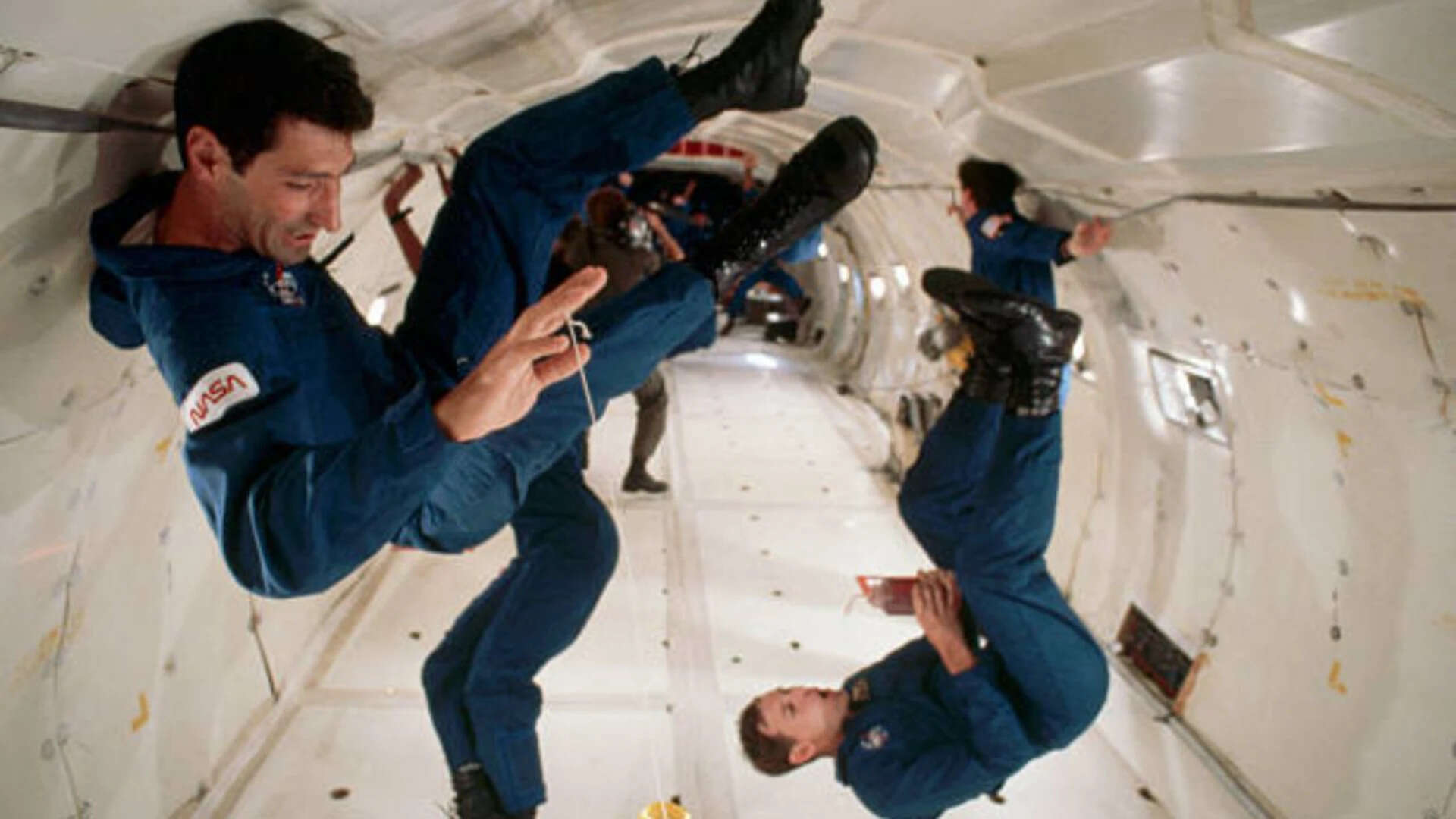
The agency’s astronaut selection director described the comprehensive evaluation, including leadership, teamwork, adaptability, and sound decision-making.
The 2021 selection offer identified six core competencies required of the candidate:
- Self-regulation
- Resilience
- Teamwork
- Live in a small group
- Solve operational problems
- Follow the lead
The agency’s overall behavioral health and performance page highlights four qualities:
- Adaptability
- Situational awareness
- communication
- Conflict resolution
In a 2024 NASA podcast interview, April Jordan, the agency’s astronaut selection director described a comprehensive evaluation that includes leadership, teamwork, adaptability, and sound decision-making.
A multi-talented personality
The NASA structure uses multiple exercises, evaluators, and perspectives for each applicant. Personality inventory, individual mission, team performance, peer evaluations, and more can be evaluated before the Astronaut Selection Board gives a suitability rating.But NASA learned this lesson over time. Mercury native candidates were subjected to isolation, noise, heat, cold, and other physical and psychological stress tests. Decades later, a 2010 NASA Inspector General report described efforts to make psychological selection more systematic by mapping assessment methods to astronaut traits, adding operational psychologists to interviews and using fixed assessments.Ultimately, NASA is not looking for someone who passes one big secret test, but rather someone whose judgment and behavior remain adaptable and useful across different tests and times.