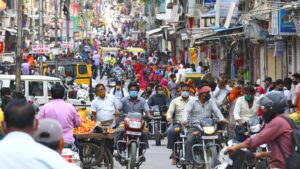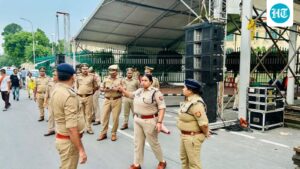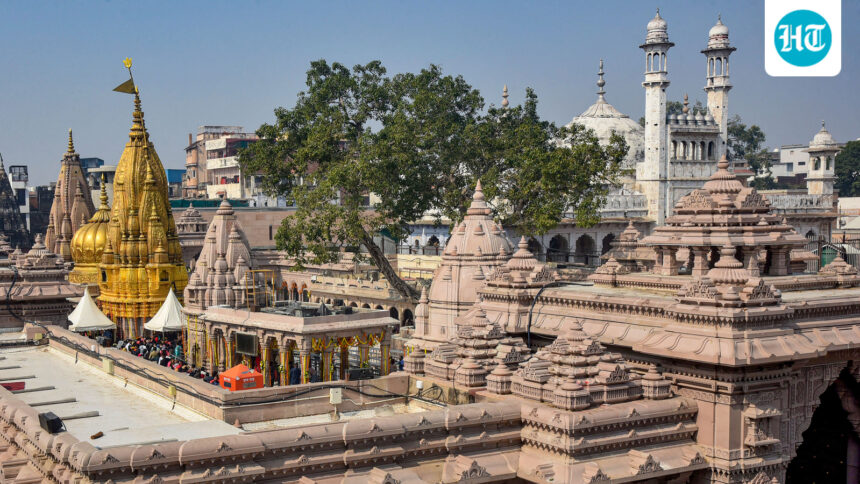
Both the Hindu and Muslim sides in the Gyanvapi Mosque dispute in Varanasi, the Sri Krishna Janmabhoomi-Shahi Idgah land dispute in Mathura, and the Jama Masjid dispute in Sambhal, Uttar Pradesh, have refused to participate in the consensual dispute resolution process proposed by the Supreme Court, choosing instead to decide the disputed lawsuits on their legal merits.
Hizb ut Tahrir learned that the Supreme Court administration recently wrote to all the rival parties in the temple and three mosque disputes, calling on them to explore an amicable settlement under the Supreme Court’s National Mediation Initiative, “Supreme Court Procedure for Cross-Country Dispute Adjudication and Coordination (Samdan Samaroh) 2026”, which will culminate in a special Lok Adalat from August 21 to 23.
However, the parties representing the Hindu litigants and the bodies running the three mosques have informed the Supreme Court, as well as state and district legal services authorities, that they are not inclined to participate in the mediation process.
Lawyers and litigants associated with the three disputes told HT that they are of the view that cases involving competing claims over places of worship, property matters, constitutional issues and matters of immense public importance should be decided by the courts rather than being resolved through Lok Adalat or mediated settlement.
“These matters relate to issues of property, constitutional rights and matters of broader public importance,” said a lawyer associated with one of the temple-side lawsuits. “These are not disputes that can be properly resolved through a council of justice.”
Representatives of mosque management committees echoed a similar view, saying that although they support the peaceful resolution of disputes, they are not prepared to submit these claims to mediation.
According to people familiar with the developments, the responses effectively ruled out the possibility of these high-profile disputes appearing among the matters that could be taken up during the special justice council.
Samdan Samara 2026
The Samadhan Samaroh 2026 programme, announced in April, seeks to encourage litigants to voluntarily settle pending Supreme Court cases through mediation and other consent-based mechanisms ahead of specially constituted Lok Adalat sessions in August.
The four-month program sees parties register for mediation through physical and virtual modes, with the Supreme Court creating a dedicated online portal and a central “war room” to coordinate the process.
The three differences
The Gyanvabi dispute concerns the claims of Hindu litigants that the Gyanvabi Mosque in Varanasi was built after the demolition of the pre-existing Kashi Vishwanath temple during the Mughal period.
Several suits seek the right to worship in parts of the mosque complex and challenge the applicability of the Places of Worship (Special Provisions) Act 1991. The Islamic parties, led by the Anjuman Mosque Integration Committee, are contesting these claims and insisting that the mosque is protected under the 1991 Act. Litigations relating to survey reports, rights of worship and maintenance are continuing before various courts.
The dispute between the Sri Krishna Janmabhoomi and the Shahi Eidgah in Mathura centers on claims by Hindu organizations that the Shahi Eidgah Mosque is located on land forming part of the birthplace of Lord Krishna and that the settlement reached in 1968 between the temple body and the mosque committee is legally invalid. Many of the suits seek to remove the mosque or restore the alleged original temple grounds. The Mosques Committee rejects these allegations, citing, among other reasons, the Places of Worship Law of 1991.
The dispute over Sambhal Jama Masjid arose after a civil court ordered a survey of the Mughal-era Shahi Jama Masjid based on a petition claiming that a Harihar temple once existed on the site. Violence erupted in Sambhal in November last year following a court-ordered survey, resulting in several deaths and injuries.
All three cases are currently before the Supreme Court, which has been called to examine the wider legal issues surrounding these claims in light of the Places of Worship Act.