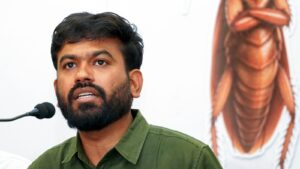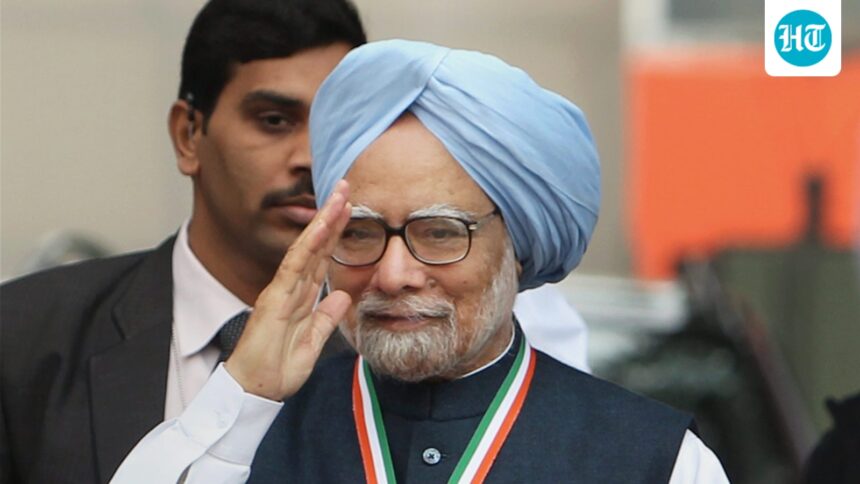
Former Chief Election Commissioner, S.E. Qureshi, pointed out the harsh remark made by former Prime Minister Dr Manmohan Singh in 2012 about “loose talk” among ministers over the functioning of the Election Commission of India.

In his book titled ‘India and Me: A Hundred Memories, Not Memoirs’, the former CEC chief recalled his visit to the Prime Minister’s residence after he expressed his anguish over some of the statements made by the ministers during the 2012 Uttar Pradesh elections.
According to Qureshi, the reason for this backlash was Salman Khurshid being criticized for violating the Model Code of Conduct (MCC) while campaigning for the state elections.
In a speech, Khurshid promised that if his party came to power, the Muslim share of jobs would be raised from 4.5 percent to 9 percent.
“The BJP immediately complained of violation of the Model Code of Conduct, which stipulates that no new scheme can be announced after the election process begins and the MCC Model Code of Conduct comes into effect,” Qureshi wrote in his book.
He added that after four days of listening to the arguments of the BJP and Congress, “we have censured Khursheed, which is the strongest action available under the law.”
Afterward, the former CEC said Khurshid was visibly upset, and voices in Congress quickly suggested the commission had become “arrogant or arbitrary.”
Qureshi says in the book: “Criticism never bothers me. Rather, it is the insinuations that detract from institutional credibility that bother me. This loose talk was not acceptable.”
He made a point of expressing his grievances to Harish Khare, who was then the chief minister’s press secretary.
After listening to Qureshi, Khair asked if the matter should be taken up to the Prime Minister, to which the former CEC replied “yes”.
The next day, the RAX (Restricted Access Exchange) phone rang. “The Prime Minister wants to talk to you urgently.” Moments later, Dr. Manmohan Singh came on the line, in a worried voice: “J Qureshi, can I see you urgently?” The tone indicated that he might come to me. “Sir,” I said, “you are the Prime Minister, and I will come when you say so.” “We set 7 p.m.,” the book recounts.
Qureshi remembered Dr. Singh’s voice and how pained he sounded.
“Harish told me what you said. If that’s what you think, I will commit suicide.” I was speechless. “My observation was about the behavior of some ministers, not about him,” Qureshi recalls in his soon-to-be-released book.
“He could imagine, even for a moment, that I was doubting his intentions, which was unbearable for him,” Qureshi quoted the former prime minister as saying. It took a few minutes to calm him down. “I had no idea at all,” he said. If I had known, I would have criticized them. If you have something to say, just pick up the phone and call me.”
Qureshi then shared another observation from Dr. Singh: “The Election Commission is not just the pride of India; it is the soul of our democracy. If we lose that, we lose everything.”
The former Central Election Commission indicated that after his meeting with the Prime Minister, the insinuations against the polling body stopped.
Qureshi added: “I have met many powerful people in my life, but few of them wore power lightly, or felt its weight so deeply. In a profession that rewards thick skin, Dr. Manmohan Singh stood out with a rare sensitivity in the exercise of power.”
(With inputs from PTI)