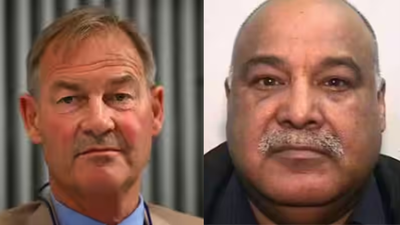
British MP Robert Lowe has set out a tough approach towards Pakistan after it refused to accept the extradition of convicted rapist Shabbir Ahmed from the UK. He said any action must be “swift, harsh and brutal” to get the message across.In a post on X, the Great Yarmouth MP and leader of the Reclaim Britain movement explained his plan. He said that if his party was in power, Pakistan would be labeled a “rogue state” from day one. The idea is to put strong pressure on Pakistan through economic and political steps.Lowe said his plan would stop all forms of migration from Pakistan to the UK. He also wants to impose trade sanctions and tariffs that could hurt Pakistan’s economy.
Furthermore, he proposed taxing money sent from the UK to Pakistan, ending all foreign aid, and even requiring Pakistan to repay money already spent by the UK.
He added that these measures should not be taken alone. Instead, he wants other countries to join him so that the pressure is stronger. According to him, if several countries work together, it will be difficult for people to find ways around the restrictions.Under his proposal, these tough measures would remain in place until Pakistan agreed to take back deported criminals in large numbers over time.
Only after that can talks be held about easing restrictions, he said.These comments came after the recent controversy involving Shabbir Ahmed, who was linked to the Rochdale gang case. Ahmed was imprisoned in 2012 for serious sexual crimes against underage girls, and was sentenced to 22 years in prison. However, he was released early after serving about 14 years and now lives under strict surveillance using a GPS tag.The case sparked political controversy because the UK government was trying to deport him, but this was prevented by legal rules associated with the Commonwealth Immigration Act 1971, as well as Pakistan’s refusal to accept him.