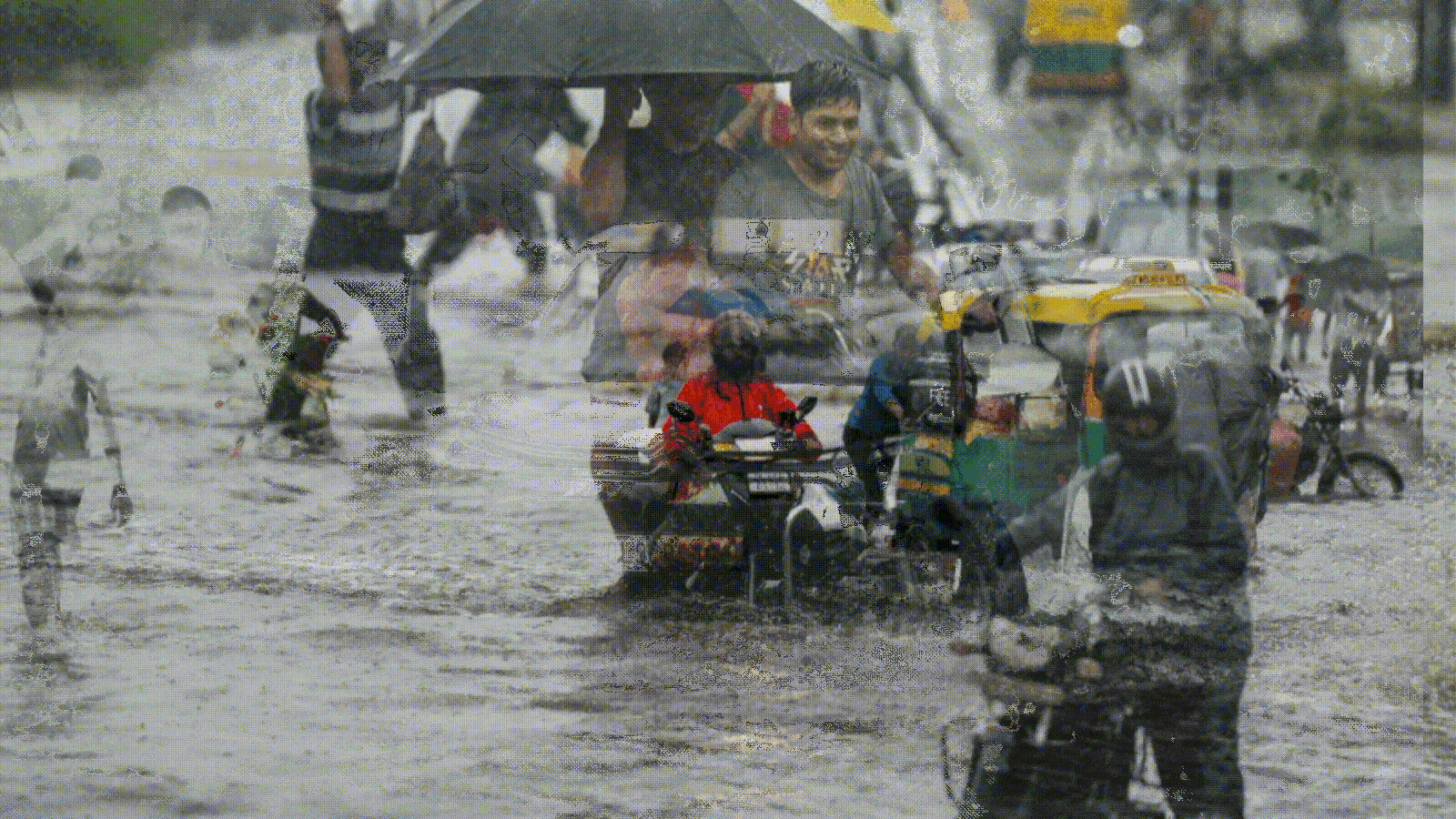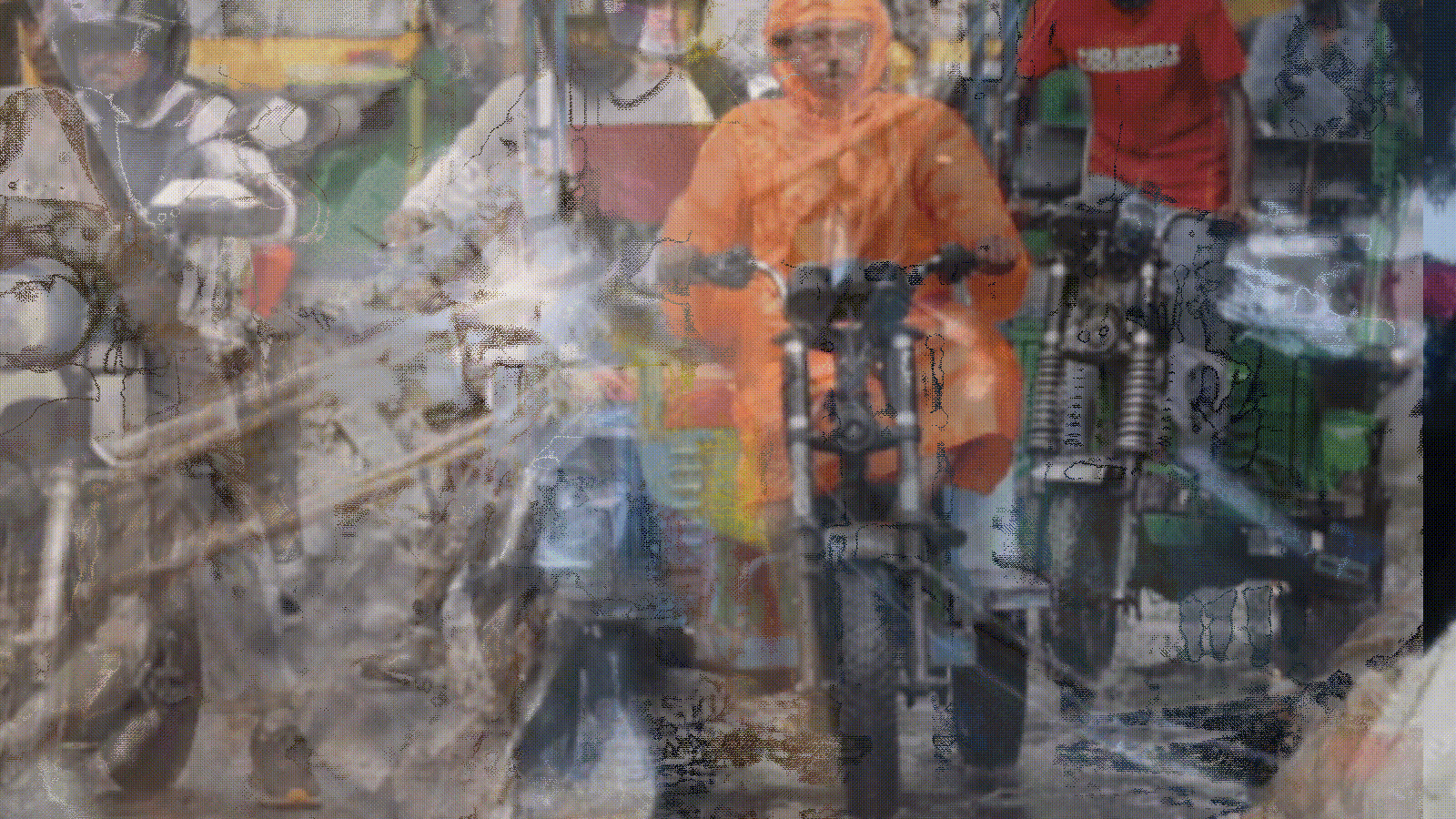
Ghaziabad witnessed heavy rainfall on Thursday, with the India Meteorological Department (IMD) recording 164 mm of rain in Kamla Nehru Nagar and 134 mm in Hindon in the last 24 hours.

Heavy rains have submerged roads and disrupted traffic and normal life, while dramatic images of people using boats in flooded neighborhoods and a collapsed road in Vasundhara highlighted the scale of the disruption.
The rains also affected neighboring Noida, where waterlogging and traffic congestion were reported in several areas.
Caves on the road after heavy rain
One of the most serious rain-related incidents was reported in Vasundhara Sector 13, where a portion of the road next to an under-construction basement collapsed after incessant rain.
A parked car and motorcycle fell into the hole, while a nearby electricity pole was leaning toward the hole.
Read also | Rain fury in Delhi-National Capital: Car in ditch, clouds engulf high-rise buildings, severely waterlogged | He watches
No one was injured in the accident, but both cars sustained severe damage.
Boats in flooded streets, schools closed
As many areas were submerged in rainwater, pictures of boats being used in Vasundhara appeared on social media, highlighting the extent of flooding in the city.
The Ghaziabad district administration also declared a holiday in government schools due to heavy rains.
Read also | “Next 12 hours…”: Incessant rains suffocate Delhi, Ghaziabad and Gurugram. People were asked to stay at home
Residents blamed poor sanitation for the widespread flooding, saying the city’s drainage system failed to handle the rain.
Salman, a milk supplier, told news agency PTI that the rains affected his business. He said, “I was unable to deliver milk in some areas because the roads were heavily flooded and it became difficult to pass through.”
Read also | When will the wet season end in Delhi-NCR? IMD expects rain to continue until…
Akbar Ali, another resident, told the news agency that cleaning the sewers was just an “eye wash.”
“If the drains had been cleaned properly, the water would have drained out,” said Ali, who works in flour and grocery supply business. “The water rose to above knee level and even roadside shops were flooded. This affected the supply of essential items.”
(With inputs from agencies)