

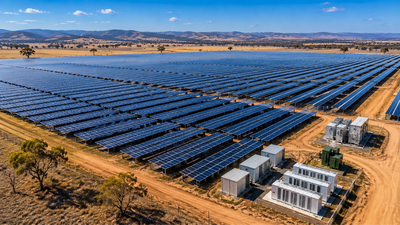
Australia’s renewable energy boom has reached a major milestone. The country now generates such large amounts of electricity from rooftop solar panels that wholesale power prices often drop to zero or even below zero during the middle of the day.
Instead of letting surplus electricity go to waste, eligible households in parts of Australia can now get up to three hours of free electricity every day. This initiative reflects a new reality for the country’s energy system: solar energy has become so abundant during daylight hours that the biggest challenge is no longer producing enough electricity, but rather finding enough people to use it.
How Australia ended up with more solar power than the grid can handle
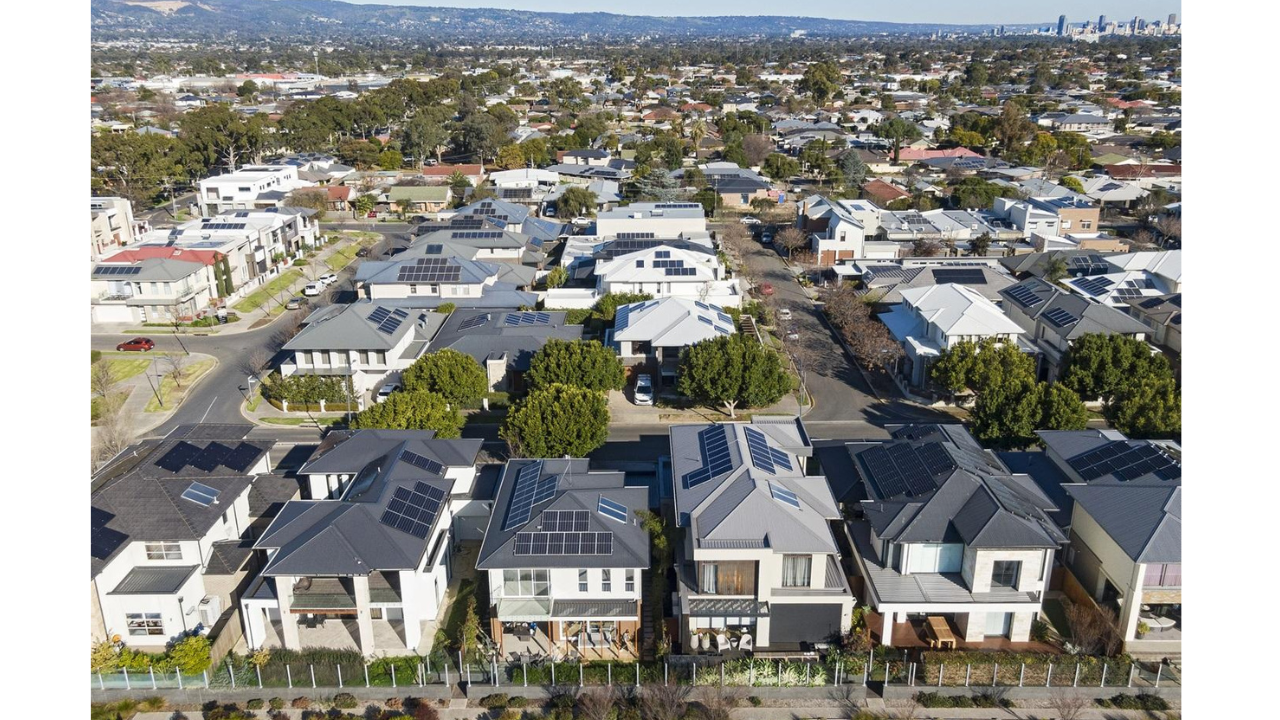
Australia has become the world leader in the adoption of rooftop solar.
Solar panels are installed in almost one in three homes, with more than four million households producing their own electricity. Combined with large-scale solar farms, these rooftop systems generate huge amounts of electricity every sunny afternoon.The problem is that the demand for electricity does not always keep pace with this increase in electricity generation. Businesses typically use less electricity in the middle of the day, while many homes are empty during business hours.
Since millions of solar systems feed power to the grid at the same time, supply often exceeds demand, leaving the power grid with more renewable energy than it can use immediately.
Families now get three hours of free electricity
To make better use of surplus electricity, Australia introduced a solar sharing offer from 1 July. Under the program, eligible electricity retailers in New South Wales, south-east Queensland and South Australia offer customers an optional tariff that provides up to three hours of free electricity during the middle of the day.Customers generally require a smart meter and must sign up for a tariff through a participating retailer. While electricity used during the designated three-hour period is free, daily supply charges still apply, and electricity consumed outside that period is billed at standard retailer rates.The goal is simple: encourage households to shift electricity-intensive activities such as charging electric cars, running washing machines or dishwashers, or heating water to hours when solar energy is more abundant.
Electricity prices sometimes fall below zero
Electricity differs from most commodities because it must be consumed immediately after it is generated. Although battery storage is expanding rapidly, it is still not large enough to store all the excess renewable electricity produced on sunny afternoons.When supply greatly exceeds demand, wholesale electricity prices can fall to zero or even become negative. In these cases, some generators actually pay to stay connected to the grid because shutting down and restarting certain power plants can cost more than continuing to operate.According to the Australian Energy Market Operator, zero or negative wholesale electricity prices are becoming increasingly common during daytime trading periods in early 2025 as solar generation continues to grow.
Why does the grid want people to use more electricity?
Giving up electricity may seem unusual, but it is often less expensive than wasting renewable energy.Grid operators prefer households to use excess electricity during the day rather than limit solar generation.
Every dishwasher, washing machine, electric car charger, or pool pump that runs during the free electricity window helps absorb excess renewable energy that would otherwise be wasted.Shifting electricity demand midday also reduces pressure on the power system later in the evening, when renewable generation declines and more expensive electricity sources are needed.
Evening remains Australia’s biggest energy challenge
The Australian electricity system is facing what experts call energy “Duck curve”.
Solar power generation peaks around midday before quickly declining after sunset. Meanwhile, millions of people return home and turn on lights, air conditioners, furnaces and other household appliances, causing electricity demand to rise sharply.To cope with this evening surge, the grid relies more on gas-fired power plants, hydroelectric generation, and battery storage. These sources are generally more expensive than the abundant solar electricity available during the middle of the day.Encouraging consumers to shift some of their electricity use to daylight hours helps reduce demand, making the grid more efficient and reducing reliance on expensive peak-time electricity generation.
What solar success in Australia means for rooftop solar owners
Australia’s remarkable growth in rooftop solar has also changed the economics of home electricity generation.As more households export electricity to the grid at the same time, the value of surplus solar energy declines.
Feed-in tariffs, the payments homeowners receive for exporting unused electricity, have declined in many parts of the country because daytime electricity has become increasingly available.Some electricity networks have also introduced export tariffs for some customers to help manage the increasing volume of electricity flowing from millions of rooftop solar systems into the grid.
Can other countries follow Australia’s example?
Australia’s experience offers a glimpse of what may lie ahead for countries that rapidly expand into renewable energy.
Parts of the United States, Germany, Spain and the Netherlands also experienced periods of very low or negative wholesale electricity prices as solar and wind generation increased.As clean energy continues to replace fossil fuels, more countries are likely to introduce smart tariffs, flexible electricity pricing and incentives that encourage consumers to use electricity when renewable energy is available.Australia’s three-hour free electricity program is therefore more than just a consumer benefit. It highlights a new phase in the global energy transition, where the challenge is no longer generating enough clean electricity, but rather managing its abundance in the smartest and most efficient ways.