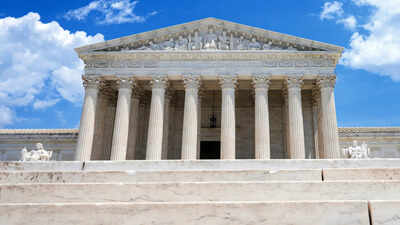
The man argued against a 1968 law that prohibited anyone who illegally used drugs from carrying weapons (AP Photo/File)
The U.S. Supreme Court on Thursday issued a unanimous ruling upholding a Texas marijuana user who wants to legally own a gun.The justices ruled in favor of Ali Daniel Hemani, who said the law prohibiting firearm ownership by anyone who illegally uses drugs is a violation of the Second Amendment.
Himani was not charged with committing any other crimes or using a weapon while under the influence.The decision represents a setback for US President Donald Trump’s Republican administration, which defended the 1968 law while opposing other gun restrictions.This law was also cited in the case against Hunter Biden, who was convicted in Wilmington, Delaware, of purchasing a gun while addicted to cocaine in 2018. He was pardoned by his father, then Democratic President Joe Biden.The ruling comes amid a series of firearms cases before the Supreme Court since its landmark 2022 decision expanding gun rights, which sparked a wave of legal challenges across the country.Since then, the court has upheld a law intended to protect victims of domestic violence and upheld strict regulations on ghost gun kits, while striking down a ban on bump stocks, an accessory that enables rapid firing. The justices have heard two firearms-related cases this term alone.
Cannabis laws have also evolved significantly in recent years, with more than half of US states now legalizing marijuana in some form, and its medical use has become widespread.However, recreational use remains illegal under federal law, even after the Trump administration reclassified medical marijuana in April as a less dangerous drug.Stand-alone criminal charges involving firearm possession and drug use are relatively rare, and are often filed along with other crimes.The case drew unusual political alliances. The ACLU and National Rifle Association have supported Himani, along with cannabis advocacy groups like NORML. On the other side were gun safety organizations like Everytown, which typically disagreed with the Trump administration on Second Amendment issues.(with AP input)