


Sitharaman said the new measures were the beginning of a broader strategy to attract international capital back to India.
Describing the latest measures to attract foreign capital as a “first step”, Finance Minister Nirmala Sitharaman said on Monday that India was bracing for necessities in the wake of the ongoing geopolitical crisis and the US-Iran conflict.Sitharaman described the recent initiatives taken by the Reserve Bank of India and the government to attract foreign investments as an initial step, indicating that additional measures could be followed to encourage more foreign capital inflows.She also stressed the importance of preparing for uncertainties arising from the rapidly changing global environment, noting that India’s economy is facing significant pressure due to its dependence on imports of critical raw materials, crude oil and fertilisers.According to a PTI report, in his address at the Mindmine Summit 2026, Sitharaman said assessments by the RBI and the government indicate that the domestic bond market has the potential to act as an effective channel to attract foreign investment.
Measures to attract foreign capital
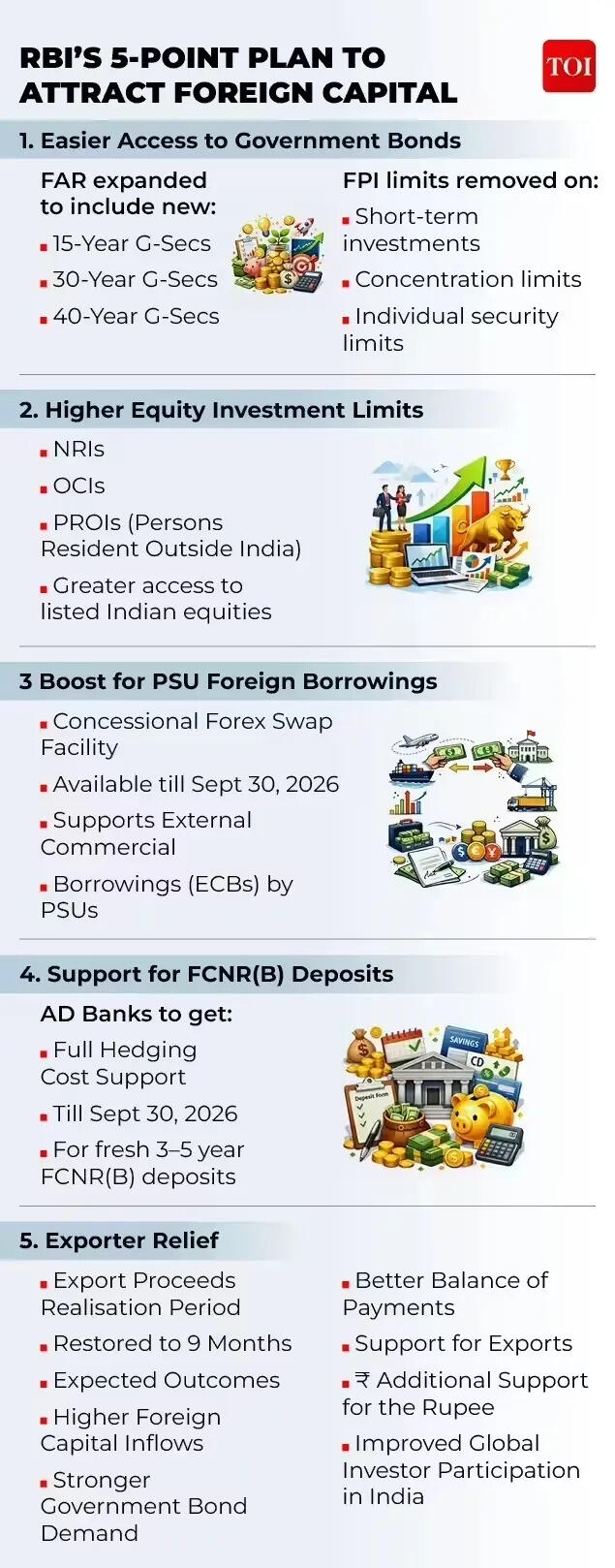
As part of these efforts, the government expanded the list of securities eligible under the Full Access Route (FAR) on June 5, allowing the inclusion of newly issued government securities.
The move aims to simplify investment procedures and reduce compliance requirements for foreign investors participating in the government bond market.
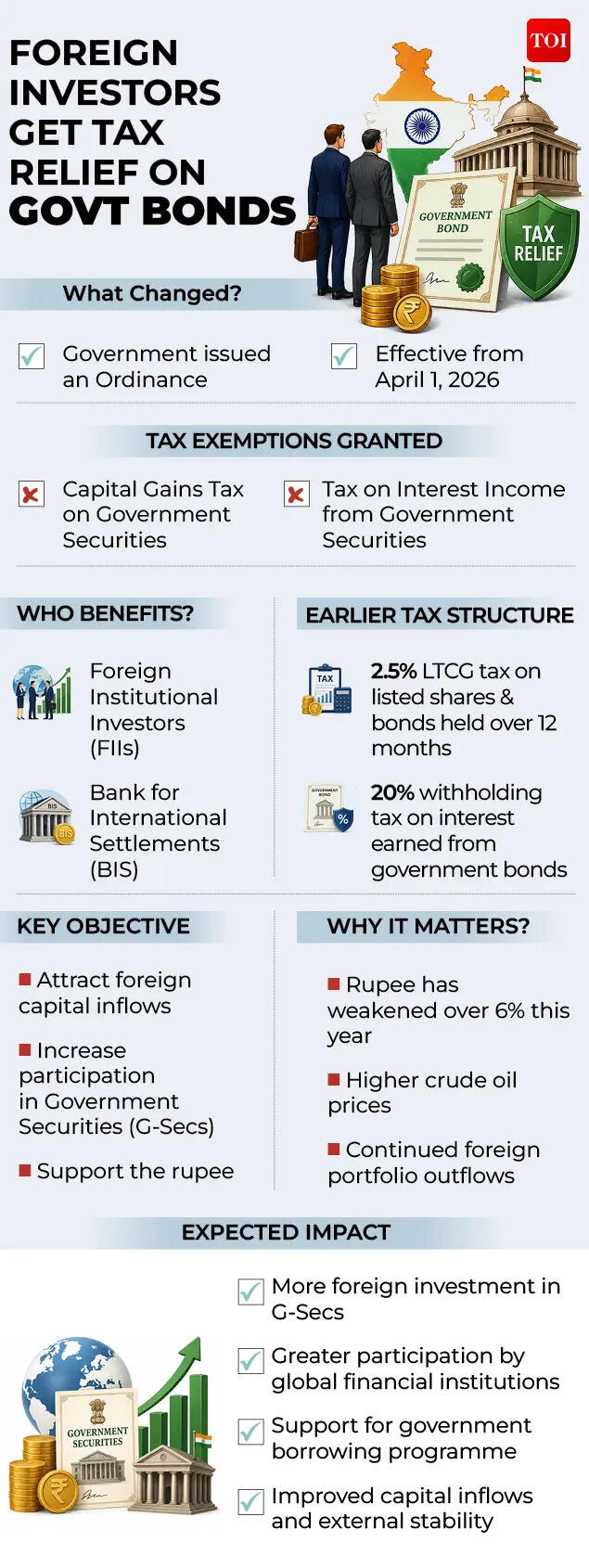
In addition, foreign portfolio investors were granted tax exemptions on interest earnings and capital gains arising from investments in government securities.Referring to these initiatives, Sitharaman said it is the beginning of a broader strategy to attract international capital back to India.Read also | Protecting the rupee, forex and the economy: Will the government and RBI’s measures help attract foreign capital?She noted that while the current focus is on the bond market, the government’s plans do not end there. According to the Finance Minister, further steps are being considered as the authorities recognize the need to attract a greater range of foreign investments.Separately, the Reserve Bank of India on June 5 allowed banks to use the central bank’s swap facility for non-resident foreign currency deposits (bank), or FCNR(B), with maturities of three to five years until September 30.This facility enables banks to exchange their US dollar deposits with the Reserve Bank of India, helping them manage foreign exchange exposure more effectively.In another move aimed at attracting external capital, the central bank introduced a foreign currency swap window for public sector enterprises raising external commercial loans (ECBs). The arrangement will remain available until September 30.RBI’s framework effectively shifts the cost of currency hedging to the central bank, Sitharaman said.
As a result, banks are in a better position to raise funds from abroad without bearing the full burden of exchange rate risks.
According to the Minister of Finance, the measures have been carefully designed to ensure that financial markets receive the investment support they need while maintaining stability.Government officials had previously indicated that additional initiatives were being considered to encourage foreign direct investment.
These measures are expected to boost foreign exchange reserves and support the rupee.
Pressure on the external sector
India’s foreign exchange reserves fell by $711 million to $681.61 billion during the week ending June 5.At the same time, rising global fertilizer prices have emerged as a growing concern. Government sources said earlier that the Ministry of Fertilizers is seeking to double the subsidy for the current fiscal year. The Union Budget has allocated Rs 1.71 lakh crore for fertilizer subsidy in the public finances.
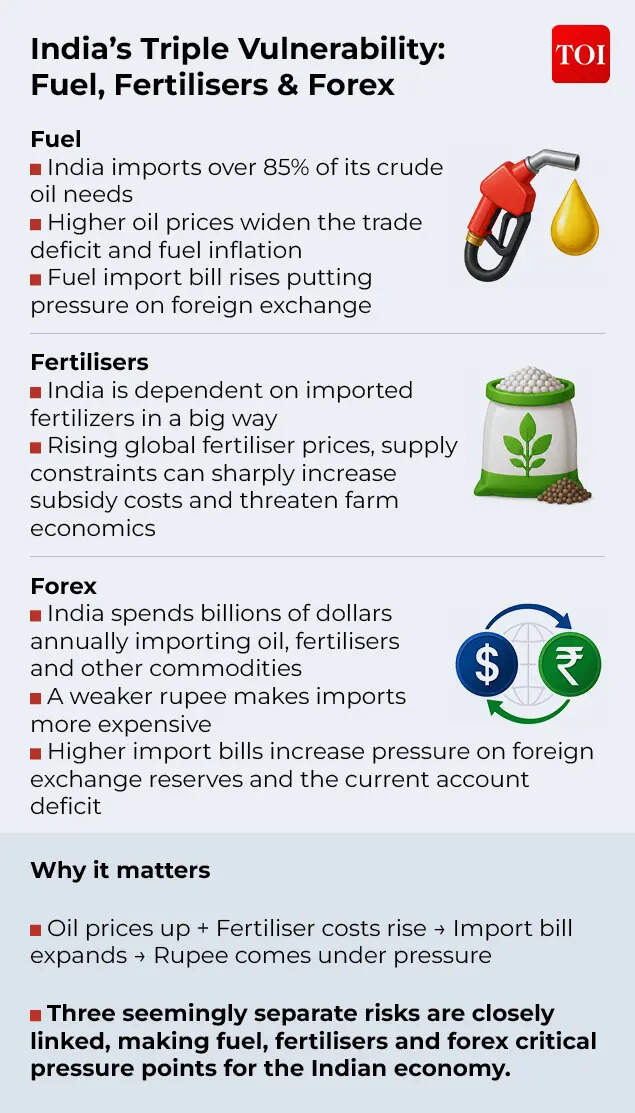
The disruption of shipping through the Strait of Hormuz amid tensions in West Asia is expected to increase India’s fertilizer import costs. At the same time, the shrinking global supply pool has made international procurement more complex.Read also | Illustrated: Lehman’s Guide to India’s 3Fs – Why Fuel, Fertilizers and Foreign Exchange Are So Important Right NowAs a result, importers face two major challenges: securing adequate supplies through an increasingly difficult bidding process, and adapting to the rapid pace of fertilizer price increases.The closure of the strait also raised concerns about India’s crude oil import bill. The country imports approximately 87% of its crude oil needs, and about 46% of those shipments move through or near the Strait of Hormuz.India’s reliance on this route extends to cooking gas as well. About 60% of the country’s LPG consumption is met through imports, and nearly 90% of these supplies pass through the strait.