
Super Bowl ads have long operated at the intersection of popular culture and media. With an average television audience exceeding 100 million viewers in the United States alone, Super Bowl advertising is among the most culturally significant and scrutinized forms of branded content in the world. Production requirements are high, schedules are tight, and the margin for error is small. For the brands and agencies commissioning these campaigns, the logistical and creative infrastructure behind the scenes is just as important as what ultimately appears on screen.
The official Super Bowl LVI campaign was no exception. Featuring a lineup that included Halle Berry, Kevin Hart, Marcus Allen, Joe Namath, and Ronnie Lott, the production required coordination of globally recognized talent, complex scheduling, creative direction, design logistics, and content execution across multiple deliverables, all within the compressed timelines typical of major entertainment productions.

What made the campaign particularly notable was the level of talent involved along with the operational complexity of bringing this production to life. Managing top talent in commercial environments requires not only logistical precision, but an understanding of how image intersects and aligns brand and visual narrative across the entertainment culture. For products of this size, the infrastructure behind the scenes often determines whether a creative vision will successfully translate into the final product.
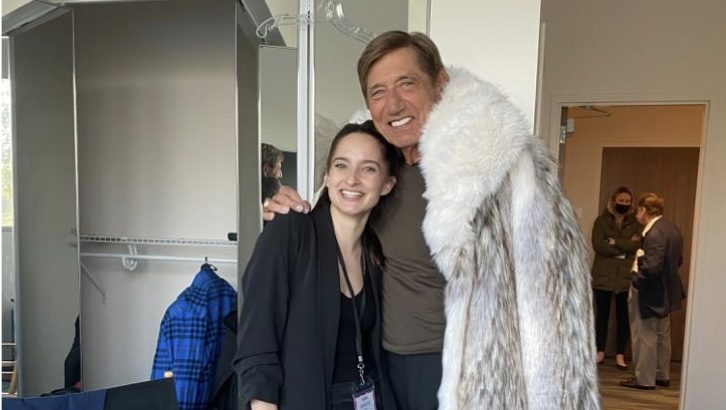
Sarah Borghese Styling served as head wardrobe for the campaign, a role that placed the company at the center of the production’s visual identity. With a proven track record that includes high-profile entertainment, commercial and celebrity-facing projects, Sarah Borghese was responsible for the entire wardrobe operation across a staff that included some of the most recognizable names in sports and entertainment. In a production of this size, the role of the wardrobe master extends beyond selecting costumes. It requires coordination of props, logistics, talent schedules, creative approvals, and on-set execution across multiple key individuals simultaneously, all of which contribute to the visual cohesion of the final campaign.

The role of Andrea Gilth, a Los Angeles-based communications strategist and creative producer, was the go-to for the production infrastructure. Her role focused specifically on overseeing Sarah Borghese’s wardrobe operation, handling behind-the-scenes production logistics, creative coordination, and content execution required to ensure everything was in place so that the head of wardrobe could successfully deliver the campaign. This included sourcing support, scheduling, design logistics, and on-set production assistance. Beyond the wardrobe process itself, Gilth also took full ownership of Sarah Borghese’s social media production, creating content, behind-the-scenes footage, conceptualizing, capturing, and producing the documentary content that translated the campaign experience into a body of digital work for Sarah Borghese’s website, social platforms, and client-facing portfolio.
The experience reflected a broader reality about how modern entertainment production works. The final ad, polished and ready-to-broadcast content, represents only a small fraction of what is actually produced during a campaign of this size. Behind-the-scenes documentation, digital content, social assets and platform-specific storytelling have become an integral part of how mainstream entertainment productions reach and engage audiences beyond the broadcast itself.

Gilth’s broader background in communications, branding and production has since extended into music education and artist development, where she leads digital strategy and communications at LAAMP, the Los Angeles Academy of Artists and Music Production. Her participation in the USC American Marketing Association’s Entertainment Marketing Panel, hosted by the USC Marshall School of Business, also reflects the comprehensive perspective she brings to entertainment communications.
As the boundaries between advertising, entertainment, branding and digital media continue to blur, products like the Super Bowl LVI campaign demonstrate the increasing complexity of what it takes to create successful content at scale on the go, and the breadth of expertise that makes it possible.