In the eyes of Raphael Bob-Waksberg, creators have only scratched the surface of the types of stories that can be told in the TV animation space.
As a creator of tragicomedy for adults BoJack HorsemanBob Waksberg is no stranger to subverting expectations when it comes to animation and humor. Since the critically acclaimed show ended in 2020, the writer and comedian has gone through some major life changes — most notably becoming a father of two — which have, at least in part, influenced his latest Netflix show, Long story short.
“I find myself thinking about family a lot more than when I was working BoJack Horseman And I think a lot about what I received from my parents and what I want to pass on to my children – what do I feel I can’t help but pass on to my children? says Bob Waksberg THR.
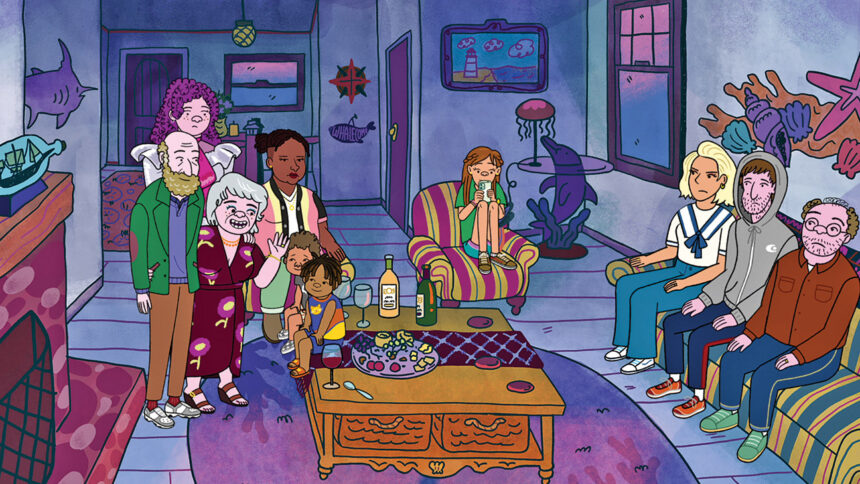
Rather than just an opinion, the director chose to make “something fruitful” out of his musings, incorporating them into the series, which focuses on a middle-class Jewish family: the Schoeber siblings and their parents, social worker Naomi Schwartz (voiced by Lisa Edelstein) and math professor Elliot Cooper (Paul Reiser), who combined their last names to create the children’s unique surname. Ben Feldman voices eldest son Avi. Abbi Jacobson plays middle child Shira. Max Greenfield is the voice of Yoshi, the youngest of the group.
“I never know how personal I am in any of my writing, so I have no idea what it says about me specifically or personally, but I was very interested in the long history of family and what it does to a person,” says Bob Waksberg.
In a way that live action series can’t do, Long story short It uses non-linear storytelling to explore the way a family relationship changes over time – the use of animation eliminates any potential continuity issues. “We can be very specific with our images and make the characters age and diminish without having to worry about whether the prosthetics look fake,” explains Bob Waksberg. “We don’t have to have a home base to recover from or move forward from. It’s as if the characters are just characters. They’re not actors getting older or getting older.”
As such, the show covers several different eras in each episode – often the 1990s, 2010s and 2020s – even going back to the 1950s to reveal the selfish origins of matriarch Naomi as a child. In addition to the visual freedom, jumping through time allowed the writers to address more important themes like grief, for example. In the fourth episode, “Shira Can’t Cook,” the Schwoopers’ daughter tries to make knives like her mother used to do for school lunches, and her struggles in the kitchen embody the deep, ongoing need for her mother’s approval even after her death in 2020 from the coronavirus — something Shira resented when Naomi was alive.
“Part of [exploring the long history of a family] “It’s also the shared trauma — and trauma from multiple perspectives — of what being in this family has done to you,” Bob-Waksberg says.
However, comedy remains at the forefront of the 25-minute episodes, such as in “The Intervention”, when Yoshi’s family confronts him about his secretive behaviour, believing him to be a drug addict when in reality he is hiding his conversion to Orthodox Judaism from his Conservative Jewish family.
“It was very important to me that the show made sense throughout, and that we weren’t building a mystery box show or putting in little clues that you wouldn’t really understand until you get to the end,” Bob Waksberg explains of his approach. “I find, especially in comedy, it can be very frustrating if you feel like you’re only getting half the joke or you’re getting a line that’s not going to be funny until you hear the setup five episodes later.”
The writers were particularly careful when it came to any references to aspects of Jewish identity and customs, making sure that the jokes would pay off for the average viewer “even if you don’t know some of the words being said because a bunch of them are cultural, Jewish or Yiddish and they’re never explained.”
Long story shortAside from the narrative lens of, Bob Waksberg, who also co-created the psychological anime series on Amazon Prime Video It has been undone With Kate Purdy, she was an executive producer and writer on the Netflix/Adult Swim animated comedy series Tuca and Bertie“I don’t consider the things I do niche, cult, or inaccessible,” he says.
In fact, when he remembers watching episodes of the series The Simpsons Which referred to classic films like Citizen Kane, The godfather And other pop culture moments he wasn’t completely aware of at a young age, Bob-Waksberg says a certain level of unawareness of the show’s subject matter only serves to foster engagement. “It made me want to look into these things and learn more about them. I felt more educated by watching them,” he says. “There’s something nice about being a little kid and sitting on the stairs listening to an adult concert.”
This story appeared in the June 3 issue of The Hollywood Reporter magazine. Click here to subscribe.