The Shillong government has intensified efforts to contain the spread of African swine fever and imposed restrictions on the transportation and trade of pigs in the affected areas, the Chief Minister of Meghalaya’s Shillong state said.

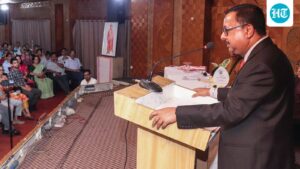
Sangma said the outbreak was being closely monitored and immediate measures had been taken to prevent the disease from spreading further.
“This has been a problem in the past as well. We are monitoring the situation and taking immediate action. The administration is taking measures to ensure that African swine fever does not spread widely,” he told reporters.
According to officials, confirmed cases were detected in Binursla and Maulai blocks of East Khasi Hills District, Mouthdraichan block of West Khasi Hills District, Umsing and Bhorimpong blocks of Ri Bhoi District, Mairang block of East West Khasi Hills District, as well as at the Regional Pig Breeding Farm in Kerdemukulai.
Affected villages include Orksi Wahpataw, Mawkajim, Mawlai Mokinroh, Nongkasin, Kerdemukulai, Lom Ombeh, Mawkerdip and Mawvanyu.
Based on the provisions of the Prevention and Control of Infectious and Contagious Diseases in Animals Act of 2009, the Department of Animal Husbandry and Veterinary Medicine declared areas within a radius of one kilometer of infected buildings as epidemic areas, while areas extending up to 10 kilometers were designated as control areas.
A complete ban has been imposed on the movement of live pigs, pig feed, pork and pork products into or out of the affected areas. Orders were issued to close pig markets, slaughterhouses and slaughterhouses in the affected areas until further notice.
The authorities also banned spoiled feeding using kitchen or restaurant waste and prohibited the removal of infected or dead pigs and contaminated materials from designated areas.
Officials said that disposing of pig carcasses in rivers, lakes or other bodies of water could result in penalties ranging from… $2000 L $5,000, while repeat offenders may face imprisonment of up to three months. Carcasses should be disposed of through deep burial with a cover of lime according to veterinary instructions.
Farm owners have been directed to maintain strict biosecurity protocols, restrict visitor access and ensure proper cleaning and disinfection of vehicles operating in affected areas.
Veterinary teams have intensified surveillance and sample collection to assess the extent of the outbreak, while the Forest Department has been asked to monitor wild boar populations in adjacent forest areas to prevent possible transmission between domestic and wild boar populations.
The government also appealed to Durbar, Dolwa and Nokmas villages, municipalities and other local bodies to cooperate with veterinary officials and rapid response teams involved in the containment efforts.
Farmers in disease-free areas outside monitoring areas have been advised to confine their animals, prevent contact with wild boars and stray animals, maintain strict hygiene standards and immediately report any unusual illness or deaths to veterinary authorities, officials said.
This article was generated from an automated news feed without any modifications to the text.