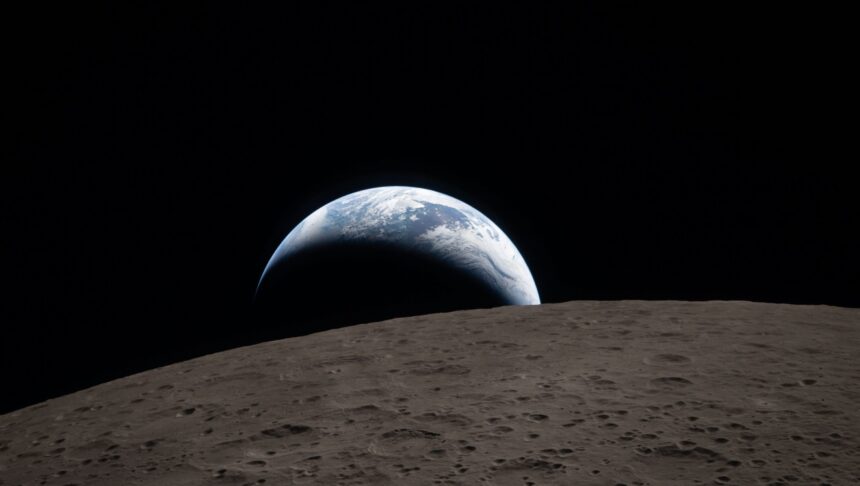

View gallery


NASA’s Artemis II mission makes history as the agency’s first crewed flight around the moon in more than 50 years. Following launch on April 1, 2026, the four-person crew successfully completed a flyby of the Moon, providing rare views of the Moon and deep space from aboard the Orion spacecraft.
Now nearing the end of its mission, Artemis II is preparing to return to Earth, and is expected to land after about 10 days in space. With the historic flight over, many are wondering when the astronauts will land exactly, how long they will spend in orbit, and how to follow updates and final footage. Here’s what to know about the Artemis II timeline and coverage.
How long is Artemis II in space?
NASA’s Artemis II mission is designed to last about 10 days, from launch to landing. The schedule includes traveling approximately 240,000 miles to the Moon, completing a flyby and returning to Earth, while testing the Orion spacecraft’s systems in deep space.
When will Artemis II return to Earth?
Artemis 2 is expected to return to Earth on April 10, 2026, roughly 10 days after its April 1 launch. Crew —Reid Wiseman, Victor Glover, Christina Kochand Jeremy Hansen– It is scheduled to land in the Pacific Ocean off the coast of California at approximately 5:07 PM PT / 8:07 PM ET, although the exact timing may change slightly depending on weather conditions and the mission.

How can I watch Artemis II live updates?
Live coverage and updates are available through NASA Via NASA TV, the agency’s official website and its social media platforms, including YouTube and X. NASA has shared real-time updates, mission milestones and video from inside the Orion spacecraft throughout the journey.
Where to find new Artemis II images
NASA The company is sharing new images from the mission across its website, photo library and social media accounts, including views of Earth from deep space and close-ups from the lunar flyby.
You can also check Hollywood LifeThe complete Artemis II gallery of Artemis II images, featuring stunning shots of the moon, Earth sunsets, and more.