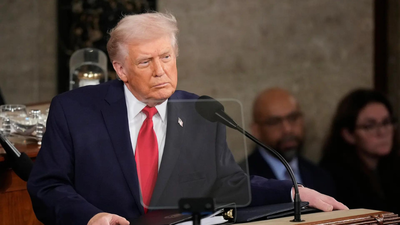
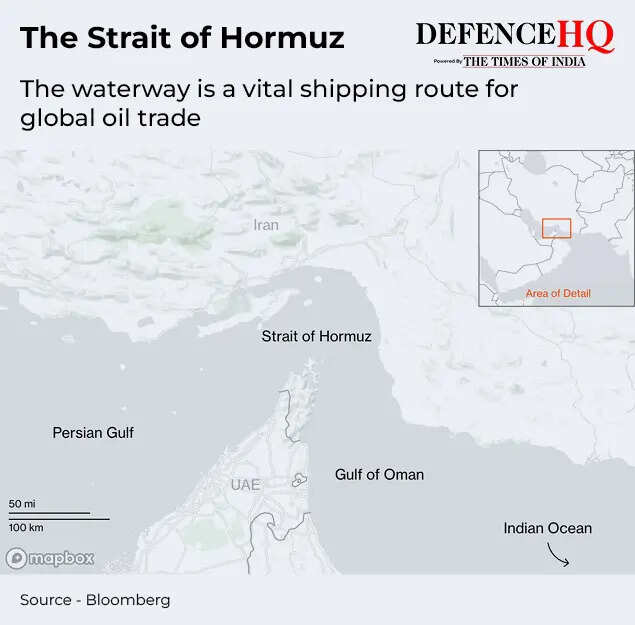
US President Donald Trump once again raised the stakes in the Middle East conflict, demanding that Iran reopen the Strait of Hormuz by a deadline it imposed on Tuesday or face sweeping military strikes.
His latest warning, issued in frank and aggressive language, comes after weeks of escalating hostilities that have already disrupted global oil flows, rocked markets, and dragged several countries into conflict.However, Tehran responded with a mixture of defiance and sarcasm, rejecting the ultimatum and even attacking Washington with statements such as “We have lost the keys.” Iranian officials insist they retain control of the strategic waterway and have tied any reopening to conditions such as compensation for war damage.
With both sides refusing to back down and the war now extending for more than a month, the crisis has entered a volatile phase as military escalation and diplomatic brinksmanship unfold in parallel.
He watches
“You crazy bastards”: Trump’s insulting comments about Iran after the pilot’s rescue; Dropping the new “Iran deal” date
What is the development so far?
Trump’s new ultimatum
Trump renewed pressure on Iran to reopen the Strait of Hormuz, a vital artery for global oil and gas trade. He warned that failure to comply by Tuesday would lead to attacks on Iranian infrastructure, including power plants and bridges.
This is not the first deadline of its kind, but the harsher tone indicates growing frustration within Washington.“Tuesday will be Power Plant Day and Bridge Day, in one day, in Iran. There will never be anything like it!!! Open the strait, you madman, or you’ll live in hell – just watch! Thank God” he said in a post on Truth Social.
Iran’s sharp, trolling response
Iranian leaders reacted strongly, with Parliament Speaker Mohammad Bagher Qalibaf accusing Trump of dragging the United States into a “living hell.”
He also claimed that the US actions were led by Benjamin Netanyahu.He said: “Your reckless moves are dragging the United States into a living hell for every family, and our entire region will burn because you insist on following Netanyahu’s orders. Make no mistake: You will not gain anything through war crimes. The only real solution is to respect the rights of the Iranian people and end this dangerous game.”Meanwhile, Iran’s embassy in Zimbabwe appeared to mock Trump online with ambiguous statements such as “We lost the keys” and “Next order please,” indicating a combination of defiance and information warfare.
Escalation beyond limits
Iran has expanded its response beyond its own territory, striking infrastructure in Gulf states and threatening to disrupt another major corridor, the Bab al-Mandab Strait. These moves risk expanding the conflict and further disrupting global trade routes.In addition, Tehran has indicated that it may further tighten its grip on the Strait of Hormuz, with officials indicating that transit may depend on compensation for war damage. Such threats, coupled with attacks on energy and logistics infrastructure across the region, have heightened fears of a broader economic and maritime crisis.
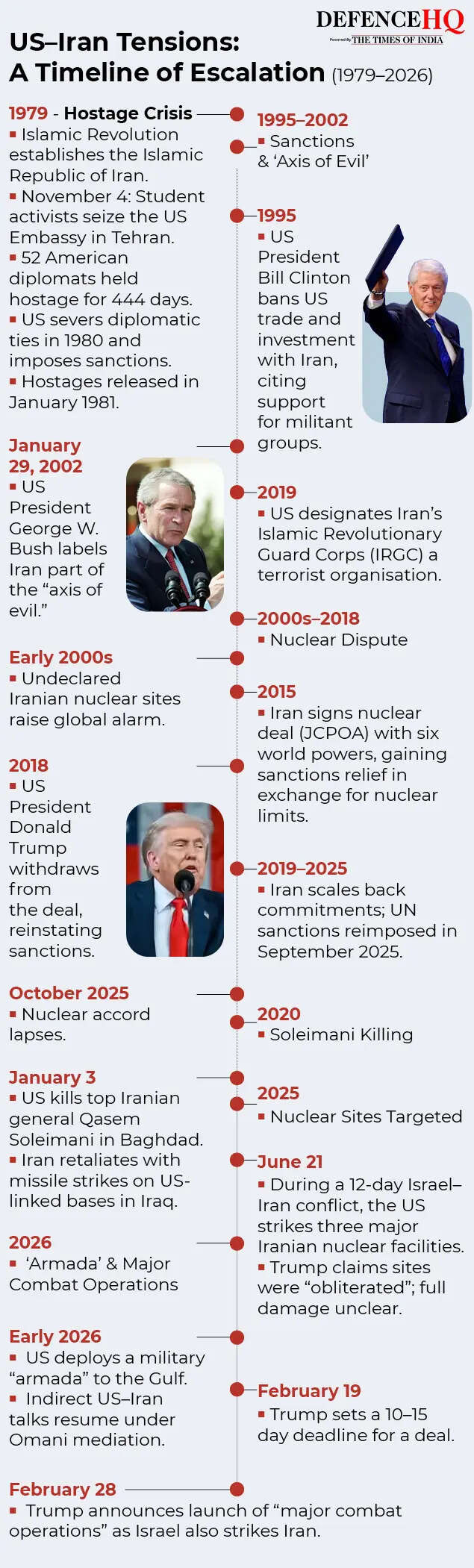
Explosions are still shaking Tehran
New air strikes hit Tehran, with explosions occurring overnight. Civilian areas were also affected, including the city of Qom.
Both sides have targeted or threatened infrastructure such as oil facilities and water desalination plants, raising concerns about potential violations of international humanitarian law.Outside Iran, the repercussions spread to neighboring countries. Fires broke out at industrial sites in the UAE due to intercepted projectiles, while major facilities in the Gulf countries were damaged. With both sides increasingly hitting dual-use infrastructure, legal experts warn that the threshold for potential war crimes may be dangerously close.
Downed planes and dramatic rescues
The crisis worsened after Iran shot down US aircraft, including an F-15E fighter jet. The United States described a high-risk rescue mission that included several aircraft to retrieve the injured from inside Iranian territory. Conflicting stories emerged, as Iran announced additional American losses, while Washington attributed the destruction of some aircraft to technical malfunctions.Iranian state media broadcast images of what it claimed were the wreckage of multiple US aircraft, while officials claim Washington destroyed some of its equipment to avoid embarrassment.
Reports also indicate that helicopters were damaged during the operation, underscoring the risks and severity of the ongoing air campaign.
reconnaissance
To what extent do you think Iranian leaders’ recent actions could escalate the conflict?
Diplomatic channels remain open
Despite the escalation, diplomatic efforts continue. The talks, which include Oman and outreach by regional and global powers, indicate attempts to avoid a full-scale war.The United States, Iran and several regional mediators are currently in talks about a potential 45-day ceasefire that could pave the way for a permanent end to the conflict, according to sources familiar with the negotiations, Axios reported.However, as both sides harden their positions and deadlines approach, the window for de-escalation appears to be narrowing.