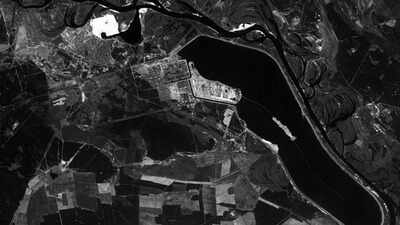
In April 1986, what was supposed to be a routine safety test at a nuclear power plant in the Soviet Union turned into one of the worst disasters in human history. The Chernobyl disaster was more than just an engineering failure; It was also a matter of human error, reactor design, and decision making.
The explosion caused a fire that released radioactive materials into the atmosphere for several days, spreading pollution beyond the immediate area and into parts of Europe.
Hundreds of thousands of people were evacuated and resettled, with entire communities forced to leave their homes. Today, it remains one of the most powerful reminders of how dangerous complex systems can be when safety is compromised, and its long-term effects are still being studied.
What is the Chernobyl disaster?
The Chernobyl accident occurred on April 26, 1986 at the Chernobyl nuclear power plant in Ukraine. Reactor No. 4 experienced a power surge during a safety test, resulting in explosions and a fire.This accident released a large number of radioactive materials into the atmosphere, making it one of the worst nuclear accidents in history. The International Atomic Energy Agency indicates that this accident is classified as a level seven nuclear accident, which is the worst category of nuclear accidents.
What went wrong during the test?
There are various reasons behind the accident, namely design errors and operational errors. The type of reactor used at the Chernobyl nuclear facility had some inherent disadvantages in terms of safety. One drawback was the fact that the reactor was unstable at low power levels.During testing, some safety devices were turned off so that experiments could be performed. This led to an uncontrollable increase in the energy level, causing the explosion.
The lack of proper safety protocols and inadequate operator training greatly exacerbated the situation.
The immediate effect of the explosion
The explosion caused the fire to burn for several days, releasing large amounts of radioactive material into the atmosphere. According to the International Atomic Energy Agency, two plant workers died instantly, and at least 28 emergency responders died within weeks from acute radiation syndrome caused by exposure to intense radiation.Many firefighters and emergency personnel were exposed to very high levels of radiation while trying to control the fire. The city of Pripyat, near the station, was evacuated, but the delay means residents are exposed to more radiation. The accident did not attract international attention until radioactive contaminants were discovered in Sweden.
Long-term health and environmental impacts
However, the effects of the explosion did not stop there. The effects of radioactive pollutants on the environment were enormous.In the past few years, thousands of cases of thyroid cancer have been reported, especially among children exposed to the effects of radioactive iodine.According to the World Health Organization, the effects are still being monitored.The area became uninhabitable, creating the Chernobyl Exclusion Zone.
Why did the disaster become so severe?
One of the main reasons behind the worsening of this disaster is the delay in realizing the seriousness of this incident, and the failure to disseminate information to the public and the international community.This lack of transparency also delayed evacuations and response to this disaster, contributing to its impact on human health and the environment.In addition, the design of this reactor did not have proper containment structures, which allowed radioactive material to be released freely into the atmosphere.
Lessons learned from the Chernobyl disaster
The Chernobyl disaster had a major impact on the safety of nuclear plants around the world.
Governments and organizations have implemented new and more stringent emergency response regulations, designs and systems.It also showed us how important transparency and communication are during a disaster. Without the right information, even a simple mistake can become a major disaster.
Why is Chernobyl still important to this day?
Today, one of the most studied industrial disasters in the world is the Chernobyl disaster. It has become a warning about the dangers of nuclear power when safety is not a priority.However, the disaster has also become an integral part of modern nuclear technology, which has become safer and more regulated.The disaster has become part of the conversation about environment, safety and energy.