Households with piped access to natural gas will have to switch from LPG, or risk losing cooking gas supplies, the government said.

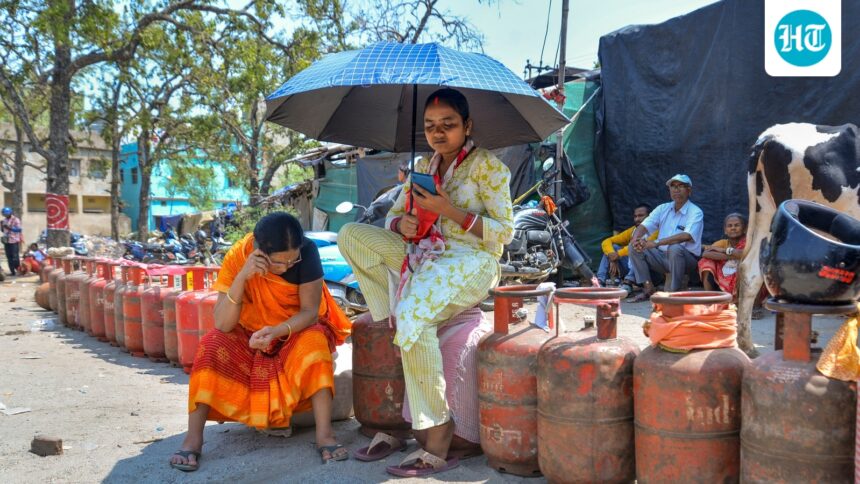
The move is part of a broader drive to expand gas pipeline networks and reduce dependence on one fuel, even as authorities insist there is no LPG shortage in the country.
The Ministry of Petroleum and Natural Gas “will stop LPG supplies after three months” if the family does not choose Papua New Guinea despite its availability, news agency PTI reported, citing a new order issued by the Ministry of Petroleum and Natural Gas.
path Live updates of the All Parties Meeting
However, LPG supply will continue if it is “technically not possible” to provide piping connection, subject to a No Objection Certificate (NOC) being issued.
The government says the idea is to redirect LPG supplies from areas connected by pipelines to areas that still lack such infrastructure, while promoting “fuel diversification” at a time of global supply disruptions.
The push comes as global energy supplies face pressure due to ongoing geopolitical tensions in West Asia, including the disruption of key infrastructure and shipping routes. path Live updates of the US-Iran war
Rapid expansion of the pipeline
This directive is part of the Natural Gas and Petroleum Products Distribution Order 2026, issued on March 24 under the Essential Commodities Act.
It seeks to speed up the pipeline rollout by simplifying approvals, standardizing fees and imposing strict timelines. The authorities have been asked to grant permissions within stipulated deadlines, failing which the approvals will be treated as granted.
In residential complexes, access must be granted within three working days, while PNG last-mile connections must be completed within 48 hours. Requests to connect pipelines in such areas cannot be rejected.
The order also enables appointed officers, who have powers similar to a civil court, to resolve disputes over access to land and ensure the right of way for the installation of pipelines.
The PTI report added that companies licensed to lay pipelines must start work within four months of approval or face penalties, including possible loss of exclusivity. The Petroleum and Natural Gas Regulatory Board (PNGRB) will monitor implementation and track compliance.
Commenting on this development, Oil Minister Neeraj Mittal said in a post on the X website that “the crisis has turned into an opportunity,” pointing to reforms aimed at improving the ease of doing business and enhancing energy security.
The ministry says: There is no change in the timelines for refilling LPG
Amid widespread online demands, the government has clarified that LPG refill booking rules remain unchanged.
“The government has learned that some news reports and social media posts are claiming that revised LPG refill booking schedules…clearly no such changes have been made,” the ministry said in a statement.
“The current refill booking timelines remain unchanged and will remain so,” she added, explaining that the current norms are 25 days in urban areas and 45 days in rural areas.
The Ministry also urged citizens not to spread misleading information or resort to panic detention, stressing that “there is nothing to worry about.”
Oil companies deny rumors of fuel shortages
State-run oil marketing companies also dismissed reports of fuel shortages as baseless.
“There is no shortage of petrol or diesel,” the Indian Oil Corporation said, adding that its outlets were “well stocked and fully operational.” She warned that the rumors “could create unnecessary anxiety and disrupt normal viewing patterns.”
BPCL described the shortage claims as “completely baseless,” noting that “there is no fuel shortage across the country.” He noted that India remains a net exporter of petrol and diesel, with supply chains operating “smoothly without any interruption”. Hindustan Petroleum Limited echoed the same position.