

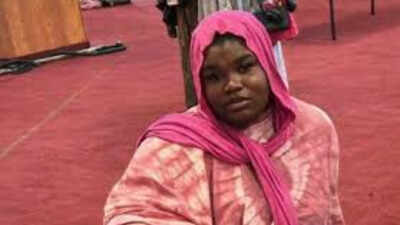
A 22-year-old Nigerian international student died in Canada after donating plasma at a paid collection center, and federal health authorities are now investigating the case.
Health Canada confirmed that Rudiat Alabide died on October 25, 2025, after attending an appointment at the Grifols Plasma Donation Center on Taylor Street in Winnipeg, Manitoba. The federal ministry said it had received reports of two fatal adverse reactions involving plasma donors, with the second death reported on January 30, 2026, at another Grifols clinic in Winnipeg.Alabide moved from Nigeria to Canada in 2022 to study at the University of Winnipeg, where she was pursuing training to become a social worker.
She was active in her community and was loved by those who knew her, friends said. While the donation was being made, she reportedly became unresponsive and died shortly afterwards. Officials have not yet officially determined whether the plasma donation itself caused her death.Health Canada confirmed that it had received mandatory reports from post-mortem clinics and had sent inspectors to facilities run by Grifols, a Spanish health care company that operates several plasma collection centers in Canada.
Grifols has publicly expressed his condolences to the families of the deceased. The company said that it “has no reason to believe that there is a relationship between the death of donors and plasma donation,” and noted that donors undergo health evaluations before they are allowed to provide plasma.Plasma donation involves drawing blood, separating the plasma, and returning red blood cells to the donor. This process is often used in medical treatments and research, and paid plasma donation clinics offer compensation to donors. In Canada, individuals who donate plasma at such for-profit centers can receive payments of up to about C$100 per session, with additional bonuses for repeat visits, which has made plasma donation a source of income for some students and low-income people.