When the United States and Israel attacked Iran on February 28, few expected that the war would extend for more than 10 days. The killing of Iranian Supreme Leader Ayatollah Khamenei has exacerbated a dangerous war in the Gulf region.

The entire Middle East is currently at war with Israel and the United States, which is striking Iran across the length and breadth of the country. As part of retaliatory action, Iran sends missiles and drones to the Gulf states, targeting commercial centers and American bases in these countries.
The war may be limited to just three countries, but its impact is felt around the world. In a strategic move to tighten its grip on the conflict, Iran closed the vital Strait of Hormuz, the main exit route for oil and gas exports from Gulf producers such as Saudi Arabia, Kuwait, Iran, Iraq, Qatar and the United Arab Emirates.
India is also affected by the closure of the Strait of Hormuz. The country imports approximately 88 percent of its crude oil needs, 50 percent of its liquefied natural gas needs, and 60 percent of its liquefied petroleum gas needs, most of which passes through the strait.
It is important to note that India is not as concerned about crude oil as it is about LPG supplies. The reason is that although there is enough crude oil available from alternative sources, such as Russia, it takes longer to make up for any loss in LPG supplies, as other alternative sources are largely located in the United States and Canada.
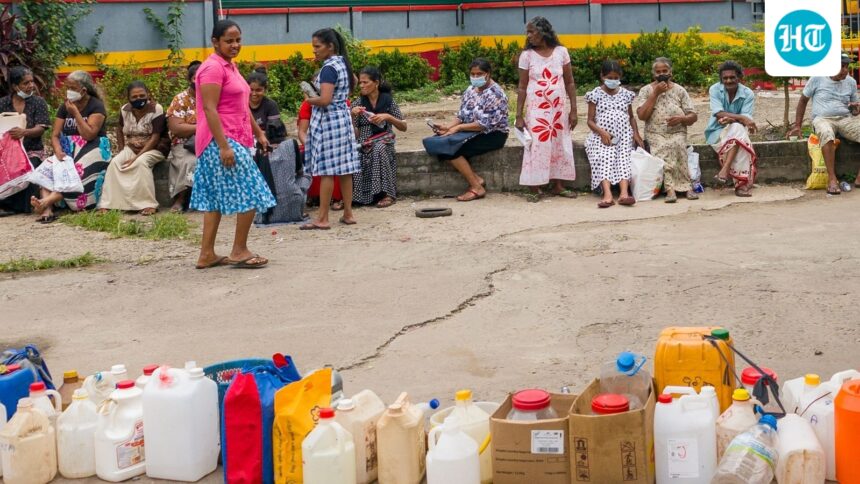
As a result, oil companies are prioritizing domestic gas supplies, while commercial users face restrictions on deliveries. To meet the demand for LPG, the government has taken several major measures, including allocating an additional 48,000 kiloliters of kerosene to states in addition to the regular monthly allocation of about 1 lakh kiloliters to support household cooking needs.
Read also: Choose PNG to reduce pressure on LPG, Center tells public amid panic seizure
Environmental regulators have also been directed to allow hotels and restaurants to use alternative fuels such as biomass, waste-derived fuel (RDF) pellets and coal for one month. Oil marketing companies will supply only 20 percent of the average monthly commercial demand for LPG to ensure essential businesses continue to have access to the fuel. In addition, the minimum LPG refill period has been increased to 25 days in urban areas and 45 days in rural areas.
Kerosene and coal return
At the United Nations Climate Change Conference (COP26), India committed to achieving net-zero carbon emissions by 2070. The government has taken various measures to this end, including phasing out the use of kerosene and coal in Indian households. In fact, the widespread introduction of LPG in India by giving free connections to the poor under the Pradhan Mantri Ujjwala Yojana is intended to reduce the use of firewood and charcoal for cooking purposes, especially in rural households.
However, as LPG supplies are under pressure due to the war, the government has temporarily reintroduced kerosene supplies to ensure households have access to alternative fuel for cooking.
“It is a difficult situation. But the government is making all efforts to ensure that supplies are maintained for domestic consumers. On the distribution side, no retail outlet has been reported but there is a multiple increase in panic bookings. We urge citizens to avoid panic booking and make all efforts to conserve fuel wherever possible,” said Sujata Sharma, Joint Secretary, Ministry of Petroleum and Natural Gas.
While domestic LPG production has increased by 28 per cent by shifting more refinery production towards cooking gas, it is also important to provide people with an alternative option.
(With inputs from PTI)