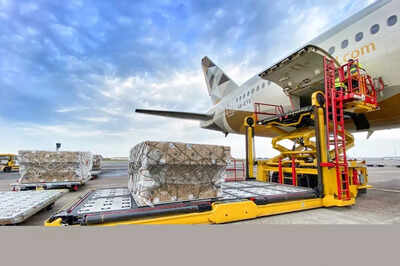
Lulu is airlifting fresh Indian produce to the UAE to help keep supermarket shelves stocked / Image: File
With flight disruptions spreading across parts of the Middle East, dedicated cargo flights are transporting fresh fruits, vegetables and other perishable foods to the UAE to ensure supermarket shelves stay stocked. Retailers have begun arranging special shipments of products from overseas markets, aiming to maintain steady supplies for residents despite pressure on regional air transport and logistics networks.
Transporting fresh food by air to the United Arab Emirates
One of the latest cargo shipments arrived in Abu Dhabi on March 7 on a cargo plane operated by Etihad Airways, carrying around 12,000 parcels of fruits and vegetables from India. The weight of the shipment was approximately 80,000 kilograms, which highlights the extent of the ongoing efforts to transport fresh food to the country quickly.
The shipment was organized by LuLu Group International, which operates one of the largest supermarket networks in the UAE. The product is expected to be distributed across stores across the country, helping to ensure customers can continue to find fresh items on grocery shelves.For retailers, speed is crucial when it comes to highly perishable products. Air shipping allows products to arrive within hours rather than days, maintaining quality and preventing supply disruptions.
Why are food imports flown to Abu Dhabi?
The decision to rely on charter cargo flights comes at a time when airlines across parts of the Middle East are facing disruption due to regional geopolitical tensions. Some passenger flights were suspended or rerouted, reducing cargo capacity that normally transports fresh food between international markets and the Gulf region.Passenger aircraft often carry large quantities of fresh produce in their cargo holds. When these flights are canceled or restricted, retailers must find alternative ways to move goods quickly.To avoid delays that could impact supermarket availability, companies are turning to dedicated cargo flights that can bring products directly from key source markets.Industry analysts say the move reflects how global supply chains adapt during disruptions. Instead of relying on routine passenger flights or sea freight, retailers are turning to faster logistics options when fresh food supplies are at stake.
What does this mean for UAE residents?
For shoppers across the UAE, the shipments are designed to maintain normal supermarket availability. The country imports a large share of its food, especially fresh produce, making efficient logistics essential for daily grocery supplies.Retailers say fresh food items arriving on cargo flights will quickly reach supermarket shelves through existing distribution networks across the Emirates. The goal is to ensure that residents can continue to find fruits, vegetables and other perishable foods without major disruptions.Officials and industry players also point to the UAE’s broader food security strategy. The country maintains diverse source markets and supply routes to ensure steady imports even during regional turmoil.These systems, combined with private sector logistics networks, help retailers respond quickly when global transportation routes experience sudden changes.
More food imports are planned
Retailers continue to bring in products from international suppliers, so additional cargo flights are expected in the coming days.
Shipments are arranged from cities such as Mumbai, Bengaluru and Melbourne, reflecting the UAE’s wide network of agricultural source markets.Such logistical operations underscore the size and complexity of the country’s food supply chain. From outdoor farms to supermarket shelves, fresh produce often travels thousands of kilometers before reaching consumers.For now, retailers say the priority is simple: continue transporting fresh food into the country so residents can continue shopping normally despite the disruptions affecting global flight routes.