
UAE Immigration waives fines for visitors stranded due to flight disruptions: Huge relief for travelers
The Federal Authority for Identity and Citizenship in the United Arab Emirates announced a comprehensive exemption from overstay fines for residents, tourists and visitors who were unable to leave the country due to flight cancellations and airspace closures related to the ongoing conflict between Iran, the United States and Israel that is affecting Gulf air corridors.
The policy aims to ease the burden on travelers stranded due to circumstances beyond their control, and has quickly become one of the most talked-about travel developments in the region.The ICA’s decision applies to a wide range of individuals whose visa status may have technically expired due to extended stays forced by unprecedented flight disruptions and airspace closures, a situation that has affected travelers from around the world trying to transit through or leave the UAE.
This waiver is effective immediately and applies to those affected by the forced travel moratorium.
Why the UAE is waiving overstay fines: a humanitarian travel response
Since the beginning of March 2026, intense regional tensions resulting from coordinated US and Israeli strikes on Iranian targets and Iran’s subsequent missile and drone responses have prompted several Gulf states to restrict or close their airspace. These restrictions led to airlines being suspended, flights cancelled, and thousands of frustrated travelers stranded at airports, hotels and transit centers across the region.
UAE airlines, including Emirates, Etihad Airways, Flydubai and Air Arabia, have temporarily suspended most scheduled services as national authorities prioritize safety in uncertain conditions.

UAE Immigration Relaxes Visa Rules: Overstay Fines Waived for Affected Travelers Amid Iran-US-Israel War
The prolonged closure of the airspace, one of the most important airspace in the world for global aviation, forced many long-haul passengers, tourists and UAE residents to remain in the country beyond their scheduled departure times.
Under normal circumstances, overstaying may result in fines, legal complications and visa penalties. Recognizing the exceptional situation, ICA has waived all fines related to overstays that occurred as a direct result of travel disruptions.
The decision aims to break the financial strain on travelers who are already dealing with canceled itineraries, extended hotel stays and logistical uncertainty.
How the UAE exemption works amid the war between Iran, the US and Israel: What travelers need to know
According to the ICA, the waiver applies to:
- Tourists and visitors who
Visas Their validity expired while they were unable to leave the UAE due to flight cancellations and airspace closures; - Residents and residents whose exit permits have been affected due to disruption of departure flights;
- Individuals on short-term visas (visitor visas, tourist visas, transit visas) who were unable to leave before the visa expired due to the crisis.
Most importantly, those seeking a waiver must provide documentation proving their inability to depart due to flight cancellations or overstays directly due to airspace restrictions.
Evidence can include receipts for canceled tickets, airline notices, or official airport warnings. The ICA has urged applicants to follow standard channels and cooperate with immigration officials. The authority also stressed that no additional penalties will be imposed on these overstay cases as long as they are caused by a recognized airspace disturbance.
This approach reflects a compassionate, people-centered policy in response to extraordinary travel challenges.For many tourists and residents of the UAE, especially those who have planned short business trips or holidays, the rollback of overstay fines comes as a huge relief. In the past week alone, international airports, including Dubai International (DXB) and Zayed International Airport (AUH) in Abu Dhabi, saw thousands of travelers queuing at terminals awaiting flight updates as airlines adjusted their operations in light of airspace restrictions.
Individuals from South Asia, Europe, North America and Africa have reported extended layovers and unplanned hotel stays as a result of flight disruptions.The ICA waiver helps remove one of the most common fears faced by travelers stranded abroad: fear of financial penalties or visa blacklisting. Waiving these fines gives travelers a clearer path to normalizing their situation and returning home without unnecessary bureaucratic or financial hurdles.
A trend in travel policy during crises and in the midst of the Iranian-American-Israeli war
This move by the UAE reflects a broader trend in crisis migration resilience, as countries temporarily adjust visa enforcement procedures in response to unusual disruptions. In recent years, similar policies have been enacted globally during events such as pandemics, natural disasters and geopolitical crises, with the recognition that strict implementation in such contexts would be unreasonable and burdensome.
By taking a pro-traveller stance, the UAE is positioning itself as a country that prioritizes humanitarian considerations alongside public security and safety.
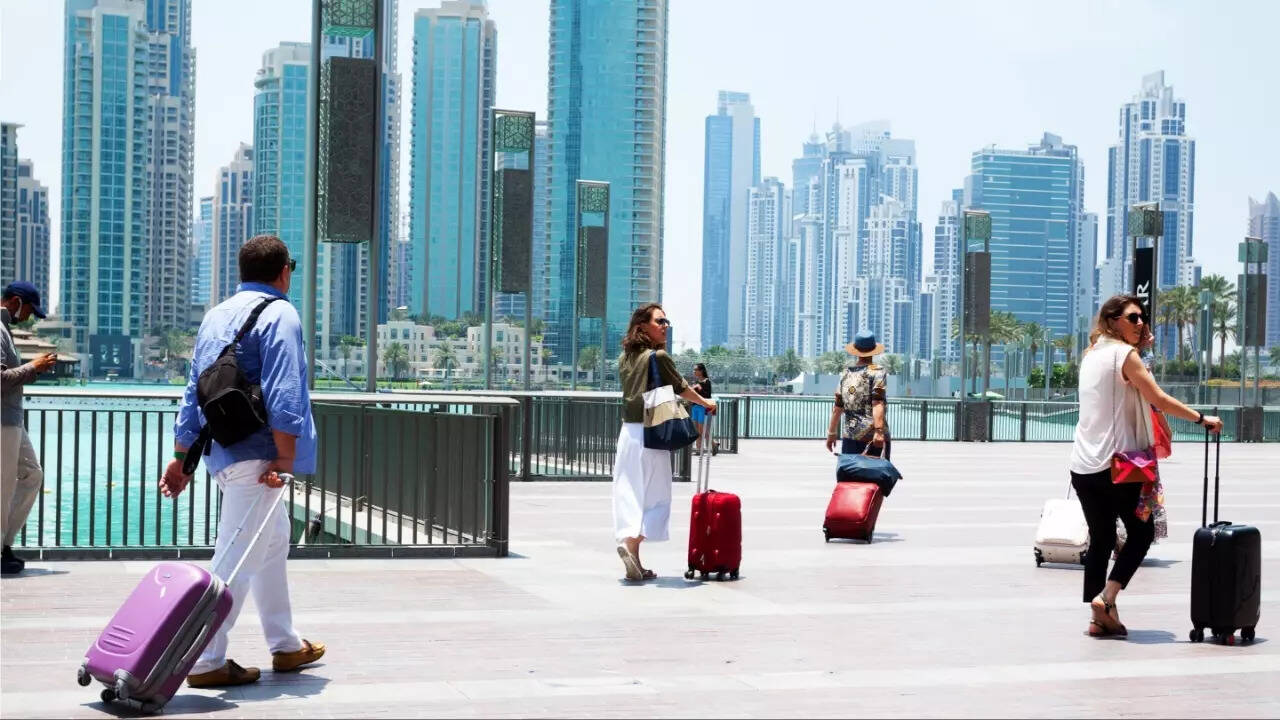
Stranded in Dubai or Abu Dhabi? UAE drops overstay penalties for affected visitors amid conflict between Iran, US and Israel
Travel agents, tourism experts and foreign communities widely welcomed the decision, describing it as a “practical, compassionate and necessary” policy. Many affected travelers took to social media to express relief and gratitude, sharing stories of long stays and logistical hassles before the waiver was announced.
International embassies and consulates in the UAE have also issued media updates to encourage their citizens to take advantage of the exemption where applicable and coordinate with immigration authorities to obtain documentation guidance.While the exemption directly affects travelers in the UAE, it also has broader implications for global travel confidence. At a time when flight disruptions have affected tens of thousands of travelers around the world and global aviation networks remain unstable, such policies can alleviate uncertainty and reaffirm confidence in international travel systems.
The countries that have the positions play Transit majors, such as the UAE, play a vital role in global mobility, and policies that take into account the realities of travelers can influence tourism and business travel trends long after the crisis is over.The UAE Federal Authority for Identity and Citizenship has waived overstay fines for travelers stranded due to flight cancellations and airspace closures due to regional tensions. The waiver includes visitors, tourists and residents whose visas have expired because they are unable to leave the UAE. Travelers must provide evidence proving their inability to travel due to flight disruption. This step reduces financial and bureaucratic pressures on thousands of travelers around the world.
UAE policy reflects a humanitarian approach to enforcing travel laws during crises.