A There is a growing tide of outrage in New Zealand’s capital Wellington, two weeks after the catastrophic collapse of its sewage treatment plant as the city’s toilets continue to flush directly into the sea.
Every day since February 4, millions of liters of raw and partially-opened sewage have been pouring into natural reefs and marine reserves along the south coast, prompting a national inquiry, as authorities struggle to keep the decrepit factory running.
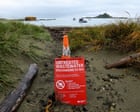
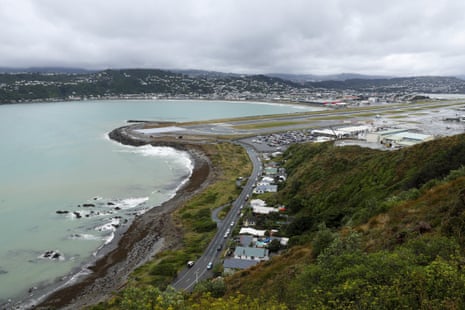
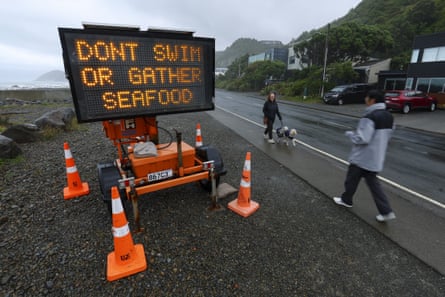
Abandoned beaches, public health warning signs and seagulls eating human waste are now features of the popular coastline, an environmental disaster zone adjacent to the airport, which receives thousands of international visitors every day.
Fears for the safety of marine ecosystems – including vulnerable species such as the little blue penguin or corora, which nest along the coast – include concerns about the length and cost of the disruption to those who depend on the coast for income, health and recreation.
As a southerly storm swept through the lower North Island and splashed polluted seawater this week, hundreds of residents turned out for public meetings to seek answers.
“They’re warning us to close our windows because there’s a hurricane full of shit coming at us,” said South Shore resident and environmentalist Eugene Doyle, whose home faces the ocean. “Everyone in charge has done a terrible job and they need to be held accountable.”
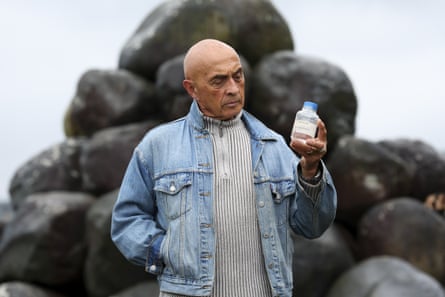
Ray Ahipene-Mercer, 78, who led a 16-year campaign to build the treatment plant in the 80s, said he felt miserable. Before 1998, the sea smelled and looked horrible, with excrement found on the rocks and surfers routinely emerging with ear infections and gastroenteritis.
“I thought it was all over and here we are back to where we were 30 years ago,” said Ahipene-Mercer, who is of Ngai Tara descent. “It’s a disaster.”
On February 4, an overnight power failure flooded the Moa Point Wastewater Treatment Plant, destroying 80% of the equipment. Initially, raw sewage was being pumped directly from a five meter pipe near a beach at Tarakena Bay. Now, much of the sewage is being pumped 1.8km offshore in the Cook Strait after testing large items such as tampons and wet wipes.
Water management has long been a contentious issue in New Zealand, with legislation to centralize its control and overhaul outdated services thrown out by the Nationals-led coalition government in favor of local reforms as early as 2024.
In Wellington, aging pipes have caused problems with sewage and stormwater flooding. The Moa Point plant is owned and overseen by two layers of local government and the council-owned water utility – Wellington Water – contracted French-owned waste management company Veolia to run the plant.
“It’s confusing to me and it’s not clear where the real authority lies,” Wellington’s mayor, Andrew Little, four months into the job, told the Guardian that Wellingtonians were “in a state of shock”.
A Crown Inquiry called by Local Government Minister Simon Watts will look into the causes of the disaster. “We need to reassure the public that we understand what led to this failure and that we are taking steps to prevent it from happening again,” Watts told Radio New Zealand.
He said a new company, Tiaki Wai, would take over from Wellington Water in July as part of the coalition government’s water reforms, which would improve services. Councils are responsible for underinvesting in water infrastructure and the new law will address this, he said.
Little said he could not speculate on the reasons because of the investigation. Wellington Water did not respond to specific questions by deadline and said it could not comment publicly due to the ongoing investigation. Violia also declined to comment.
Wellington Water chair Pat Dougherty previously told Radio New Zealand Moa Point had long been underinvested and he supported the investigation. “I’m concerned that there were some early warning signs that there were problems with the discharge and we missed them. But everything has to be on the table.”
But for many, it’s cold comfort. Low-level pollution has already blighted the short Wellington summer, with recurring flooding Locals say these releases point to a deeper problem at the plant. Official reports show years of ongoing problems and warnings of underfunding, and officials say a fix could still take months.
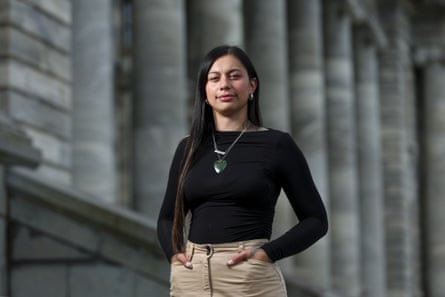
“At a time when our climate is changing dramatically we have been neglecting it for generations,” said Tamata Paul, Green Party MP for Wellington Central and a former city councilor who called this week’s meeting.
“The way this affects really vulnerable, sensitive species that are already endangered, the fact that their entire habitats are being destroyed is heartbreaking.”
She said that the central government’s help is crucial.
Native iwi [tribes] Taranaki Whanui Chair Te Watanui Winiata said we have long been opposed to sewage going into the sea. “This is our lifeblood, our relationship with Mona [ocean]. We have been crying about this since the beginning, this type of sewage system is just destructive. The reaction from our people was outrage, shock and anguish.
As beaches are closed and businesses report losses, Victoria University marine biologist Christopher Cornwall says “huge numbers” of marine life that call the various reefs around the south coast home are suffering.
He said continued pollution could kill mass kelp in the Taputeranga Marine Reserve – home to species such as mussels, kina, paua, sea sponges, fish, crayfish, octopus and penguins – killing their homes and food sources.
Human-borne bacteria and viruses can make these sea creatures sick, accumulating in shellfish and making them unsafe to eat. Microplastics end up in the stomachs of seabirds and penguins that eat human waste, tricking them into thinking they are full, causing them to starve to death.
The conservation department said the extent of the damage is not yet known, but the length and size of the discharge will be affected by ocean currents and wind.
Cornwall says New Zealanders need to rethink why waste water goes into the seas. “I don’t know why you’d want to put a pipe between two reefs anyway, and now all that faecal material is being swept away. Why are we sending sewage into a kelp forest? It’s clearly not right and we should never be in this situation.”
It’s a feeling shared by many. From her home in Island Bay, Kayla Henderson often watches dolphins play at Taputeranga Reserve. Outside the meeting this week, the young ocean lover felt helpless.
“I only care about the environment,” she said. “And I want to believe that raw sewage and trash don’t get dumped into protected marine waterways. I didn’t think it would be that hard.”