

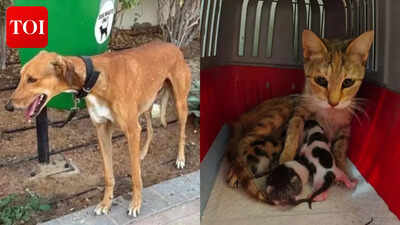
Pet owners fleeing Dubai are hastily throwing their pets into the street to escape the escalating crisis in the Middle East. Veterinarians in Dubai said they have seen an influx of inquiries about pet euthanasia as the conflict continues, with other owners leaving their cats and dogs on the streets.
There are more than 2 million pets across the UAE. In Dubai and across the region in particular, cats outnumber dogs 2 to 1, with 64.98% of pet owners being cat lovers. However, reports of dog abandonment are now overwhelming, according to K9 Friends Dubai, which rehomes dogs in the UAE. In a conversation with The Telegraph, The Barking Lot, a pet shelter service in Dubai, said they are trying to remain as flexible as possible, but shelters are “overwhelming”.
Abandoned and left behind
Volunteers at animal rescue shelters are reporting hundreds more abandoned pets than usual, filling shelters to capacity as some are now unable to care for all the animals. Heartbreaking photos of dogs left on the streets, tied to poles without their owners present, were circulated on WhatsApp and Facebook groups, and a volunteer shared them, adding that they had seen 200 such posts. Other reports indicate pets were left stranded in the desert after residents who tried to leave the area via Oman were prevented from taking them across the UAE border.
One Al Ain resident even found a cat with four cats left on her doorstep with a letter from the owner explaining that they were unable to take their pets with them as they fled. “The 4 kittens and mother kittens are inside the box, I am going back to my country due to the going situation here. I tried to call but no one is answering my calls, so I got to know your locations. I am very sorry to stay in front of your gate,” read the note. Another owner abandoned a rabbit in a garden with his hut, water bowl and one bag of feed.
Activists raise concerns
It seems incomprehensible that a wealthy country like the UAE could suffer such levels of neglect, says War Paws, a charity that supports animals in times of conflict. Louise Hastie, the organization’s chief executive, added: “It’s not just a problem there, it’s happening across Iraq and Ukraine as well. Some people don’t see pets the way we do.” She said Hastie is currently stranded in Iraq due to the ongoing conflict, but in contrast to the behavior other pet owners are seeing, she will stay with her rescued animals “until the roof collapses.” Ansu Stander, who runs the Six Hounds Animal Sanctuary in Al Ain, described the pets being discarded as “selfish and heartless”. She even shared with The Sun that she heard about two dogs being shot in the desert near the border of the site.
Social media outrage
Many influencers are moving to Dubai, which has been dubbed “the safest city in the world” by those who move to the region in search of luxury, tax-free lifestyles. However, abandoning pets in harmful conditions at times when they need maximum protection has drawn the ire of many online expats in Dubai. “Many people living in Dubai are vulgar, soulless bitches,” one user wrote on X. Another added: “People who abandon animals they have domesticated are the most despicable and disgusting creatures on the face of the earth.” One said: “I could never leave my best friend and I never will.” Another condemned: “This is absolutely disgusting. I feel like they are getting the animals because it’s cool, not because they love animals and want to take care of them forever.”
Escape from the leaves
Some expatriates give up their pets because of the difficulty of booking air travel or covering transportation costs. Kirsty Kavanagh, founder of Dubai-based pet transport company Pawsome Pets, said inquiries had risen sharply in recent days. “In the last three days we have seen a 2,000 percent increase in inquiries submitted,” she told Conde Nast Traveler Middle East. Each country has different rules and some processes may take weeks or even months. However, in most cases, pets preparing to travel require the following:
- An electronic chip registered with the relevant municipality
- Up-to-date vaccinations, including rabies
- Vaccination booklet or pet passport includes the pet’s microchip number, breed, age and medical history
- A veterinary health certificate issued shortly before departure, confirming that the animal is fit for travel
- Import permit for the destination country
- Rabies titer blood test (RNATT) for certain destinations, to confirm immunity after vaccination
For those looking to travel by land and cross into Oman with a pet, here are the rules:
- Only two pets are allowed per person.
- Pets must be microchipped.
- Dogs must have valid rabies and DHPPi vaccinations. If the rabies vaccination is the primary vaccination rather than the booster vaccination, it should be given at least 30 days before travel.
- Cats must have valid rabies and TriCat vaccinations. As with dogs, the rabies vaccination must be at least 30 days old if it is the primary vaccination.
- A rabies blood test (RNATT) is required to confirm immunity after vaccination.
- An import permit must be obtained from Oman for each pet before arrival.
- A UAE veterinary health certificate confirming that the pet is fit for travel must be issued within 10 days of departure.
Dubai Municipality To save
Dubai Municipality recently launched smart devices powered by artificial intelligence to feed stray animals.
The initiative, known as “Ehsan Stations,” will include the installation of 12 devices in key locations, including ten units in public parks and two within facilities managed by Dubai Holding. The stations will use technology to identify stray animals, collect relevant data and distribute food accordingly. Dubai Municipality said it “supports a more organized and sustainable approach to feeding stray animals.”While it is still unclear whether the project was launched in response to the current pet abandonment crisis, it will certainly help feed animals left on the streets.