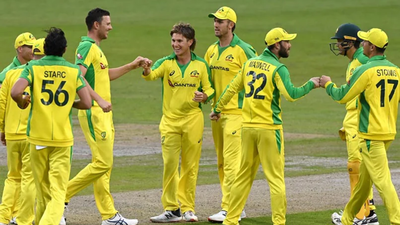
Crisis hits Australian cricket amid BBL privatization failure (Image: X)
Following the failed attempt to privatize the Big Bash League, Cricket Australia has begun to stir up deeper unrest within itself with concerns now extending far beyond the future of the tournament itself.
What initially looked like a financial restructuring plan for the BBL is now impacting national contracts, player satisfaction and even the long-term appeal of Australia’s premier domestic T20 competition.According to a report by Code Sports, at least five senior Australian cricketers have yet to sign their new national contracts. The reasons reportedly vary from dissatisfaction with the financial terms offered to players looking for greater flexibility to participate in overseas leagues through No Objection Certificates (NOCs).For many years, Australian cricket has stood out from many other nations due to its prioritization of players in international cricket over franchise opportunities. But it seems that this balance is starting to change now. With leagues such as the SA20 and ILT20 offering increasingly lucrative deals, some Australian players are believed to be reconsidering their financial futures.
He watches
Rovman Powell reacts after KKR’s heartbreaking home defeat
The issue has become more sensitive after reports emerged that Pat Cummins, the captain of Australia’s Test and ODI team, is set to receive a massive three-year contract worth around $12 million.
While Cummins’ standing in world cricket justifies his value, the figure has sparked frustration among many other centrally contracted players who believe their own compensation no longer reflects the realities of the modern franchise era.Meanwhile, the BBL itself is facing growing discontent among local players. The report claims that a WhatsApp group including 12 prominent Brazilian league players was formed last October, with discussions largely focused on pay disparity within the league.
One of the main concerns raised was that foreign recruits are often paid significantly higher wages than home-grown Australian players, although they are not always among the biggest names in international T20 cricket.
Many players hoped that the privatization of the BBL would pump new investment into the competition and significantly improve salaries. Instead, Cricket Australia’s inability to get all stakeholders on board on the proposal has left those hopes hanging in limbo.The consequences can be significant. The BBL is already facing scheduling issues and fierce competition from rival T20 leagues being played during the same window. Australia’s biggest Test stars are often unavailable due to international commitments, and if established white-ball players also start prioritizing overseas tournaments for financial reasons, the competition could face an even greater identity crisis.