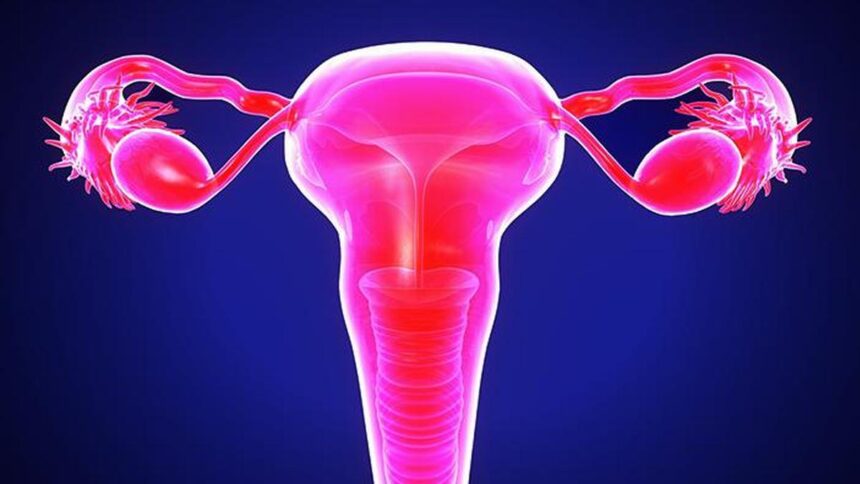

The biological progression of PID begins when bacteria from the vagina and cervix migrate upward into the sterile environment of the pelvic cavity. Image is used for representational purposes only Image source: istock.com/PALMIHELP
Pelvic inflammatory disease (PID) is a hidden but deadly threat that can put a woman’s reproductive health at risk. Doctors define pelvic inflammatory disease as an infection of the upper reproductive tract that affects the uterus, fallopian tubes, and ovaries. This condition is highly treatable when doctors detect it during its initial stage; However, if diagnosis is delayed, patients may suffer from chronic pelvic pain, life-threatening ectopic pregnancy and permanent infertility. Therefore, prevention is the best option: through improving sexual safety and proper reproductive health education.

How does PID affect the body?
The biological progression of PID begins when bacteria from the vagina and cervix migrate upward into the sterile environment of the pelvic cavity. The human body responds to bacterial infection through an immune reaction. Common sexually transmitted infections include chlamydia and gonorrhea. Pathogens use the cervical barrier as an entry point into the body, triggering an intense inflammatory response. Inflammatory responses lead to the formation of scar tissue that adheres to the inside of the fallopian tube. These tiny structures act as a vital pathway that allows the egg to reach the uterus. When scarring leads to obstruction, the result is complete infertility through natural pregnancy.

Risk factors
Every instance of sexual activity with a partner whose STI status is unknown represents a significant health risk, largely due to asymptomatic entrapment. Many STDs produce no obvious symptoms, allowing the partner to appear healthy while carrying bacteria that will later cause pelvic inflammatory disease in the recipient. People who have multiple sexual partners face increased chances of coming into contact with pathogens, making it essential to use condoms correctly as the best protection against bacterial infections.
Ironically, it is over-cleaning, not lack of hygiene, that causes the most damage. Many women use scented feminine douches or washes under the impression that they are maintaining vaginal health. This is unnecessary and may be harmful. The vagina works as a complex system that cleans itself through labor Lactobacillus – Protective bacteria. Douching removes beneficial microorganisms from the body and creates a significant disturbance in the natural pH balance of the environment. Bacterial vaginosis develops when douching upsets the natural balance of bacteria in the body, allowing dangerous bacteria to multiply. Douching also creates a physical force that moves bacteria from the vaginal area to the uterus thus starting the infection that the user wanted to stop.

What women should know
Women should monitor their bodies for any signs of abdominal discomfort, which includes lower abdominal pain. They should also note any unusual vaginal discharge, foul-smelling discharge, any pain during sexual activity, and vaginal bleeding that occurs between regular menstrual cycles. The presence of chills and fever with these symptoms indicates that the infection has reached a critical and life-threatening stage.
Pelvic inflammatory disease is largely preventable through proactive health care. The recommended approach for sexually active women includes annual screenings for sexually transmitted diseases along with mandatory condom use and a hygiene approach that requires minimal product use. Women can reduce their risk of infection by removing internal cleansers from their routine while maintaining their body’s natural microbiome.
(Dr. Prathima A. Consultant, Obstetrics & Gynecology, Gynecology & Urology, Maternity Hospitals, Banashankari, Bengaluru. drprathima.halli@outlook.com)
Published – 19 February 2026 at 12:04 PM IST