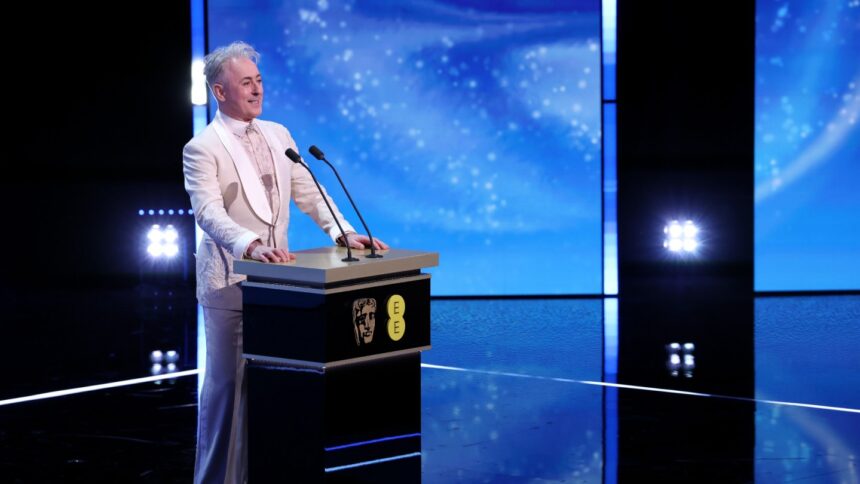
The British Academy has confirmed that artificial intelligence ‘actor’ Tilly Norwood will never be eligible for a BAFTA film award, amid updates to its rules and voting processes.
BAFTA now reserves the right to request further information regarding the use of artificial intelligence and “the extent of human creative involvement” in work submitted for consideration for film awards. After “consulting with industry”, BAFTA has clarified its approach to AI, saying on Wednesday that its awards “are presented annually to recognize, honor and reward individuals for outstanding human achievement in creating, shaping and achieving the final artistic result, regardless of the tools used to bring that work to life”.
Where the use of generative AI or other digital tools is relevant to film consideration, BAFTA can request additional information.
“[Artificial intelligence] “It is clearly developing at a very rapid pace,” said Emma Beyer, executive director of awards and content at BAFTA. Hollywood Reporter In a press conference about the changes. “We recognize that AI and digital tools are being used in some areas more than others. But we felt it was very important that we expand that and recognized that if anything happened, we had the right to ask for more information because ultimately BAFTA is about recognizing human achievement.”
While things may change again next year, Baher said the language used in the updated rulebook allows BAFTA’s film committee to “research” specific uses of AI ahead of longlist and nominations announcements. There is no set ratio or “exact science” that would disqualify an AI-powered film from competing for a Bafta, but Baher stresses that the focus is on human creativity.
For example, THR He was asked, what will 2027 be like for Adrien Brody’s BAFTA-winning role in… Brutal? (The actor reportedly used AI to help with his Hungarian accent in Brady Corbett’s 2024 film.) Baher responded: “[The updates] The AI representative will be eliminated. It will be the human being who collects the BAFTA award. We will never allow an AI actor [to win a BAFTA]. But we never comment on what happened in the past because the rules are the rules for that year, and every year they change. So Adrien Brody qualified; beat. We celebrated that win, and that was during that year in that rule book. So, as we said, AI is moving very quickly, but we have to go back to what we already said about human creativity, which is the essence of it. We want to celebrate that.”
When asked to confirm that Norwood — the AI “actress” who last year plunged the industry into a crisis over the ethics of AI performers, and who is about to make her feature film debut — would never be eligible for a Bafta, Baier was firm: “No. No. That’s not humane.”
Bayer and Deirdre Hopkins, head of film at BAFTA, declined to comment on the possibility of one day offering a craft category entirely dedicated to AI-generated projects.
Among other changes is Bafta’s expansion of its Outstanding British Film category, increasing the longlist from 15 to 20 films to “better showcase the depth and scope of British filmmaking and create a wider range of British titles for consideration.” The category will retain 10 nominations, five of which will be selected by members’ votes and five by the judging panel.
BAFTA is also expanding participation in the voting process for performance categories by inviting Casting Chapter members to vote alongside the acting class in the longlisting and nomination rounds. As part of the update, the longlist jury will now select five artists from the longlist. These changes will bring “additional industry expertise to these categories and support broader recognition of acting talent.”
In other news, the Children’s & Family Film category will be renamed Family Film, bringing the category title “more closely aligned with its focus on films that appeal to generations.” The new name is said to better reflect the types of films eligible for consideration and provide greater clarity to participants, voters and juries, while the eligibility criteria and voting process remain unchanged.
Entries for the 2027 BAFTA Film Awards will open from Wednesday 22 July. The longlist will be announced on January 7, 2027, nominations on January 29, and the ceremony on February 21.