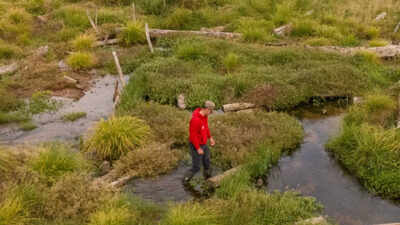
A new waterscape has been created at the Holnicote Estate in Somerset (National Trust images)
Just one year after completing a river restoration project in southwest England, researchers say the restored landscape has reduced flood peaks downstream, improved water quality, and created new habitats for many species.The project was undertaken in the National Trust’s Holnicote area in Somerset, where a 1.2km section of the River Aller was restored using a method called River Restoration Stage 0. This approach reconnects the river to its natural floodplain rather than keeping it confined to a deep, straight channel.Instead of flowing through a single managed channel, the river now spreads naturally through wetlands, ponds and many smaller channels.
The restoration has created about seven hectares of wetlands, covering an area larger than ten football fields.The project was put to the test almost immediately after completion because England experienced its wettest 18-month period on record. According to the researchers, the restored landscape handled the heavy rainfall well by storing more water on site and slowing the amount flowing downstream.
Restore natural flow
For many years, rivers across the UK have been straightened, deepened and separated from their floodplains to improve drainage and support agriculture or development.
While this helped move water quickly, it also reduced wetlands and increased flood risk downstream.Wetlands are among the most important habitats. They store water during heavy rains, release it slowly during dry spells, sequester carbon and provide shelter for many plants and animals. However, more than 90% of the UK’s wetland habitats have disappeared over the past century, while more than 10% of freshwater and wetland species are now threatened with extinction.The Holnicut Project aims to reverse some of these changes by allowing the river to behave naturally again. Ben Eardley, National Trust project manager, said in the official statement that trying out a new restoration technique was not without its challenges.
Do you think river restoration projects should be a priority in the UK?
More than 3 thousand users shared their opinion today
More than 5 thousand users voted today
Share your opinion
“Trying any new technology is of course a challenge, but we need to be bold in order to tackle the climate and nature crisis.” He also said that the difficult weather after the restoration became an unexpected test for the project.“We had the worst winter you could imagine post-restoration in terms of the number of storms and the sheer amount of rainfall. But despite it being record conditions with high levels of flowing water, the site responded really well, increasing the capacity to store water within the site and reducing storm flows downstream, demonstrating the value of restoration in providing resilience in the face of extreme hydrological events.”
“
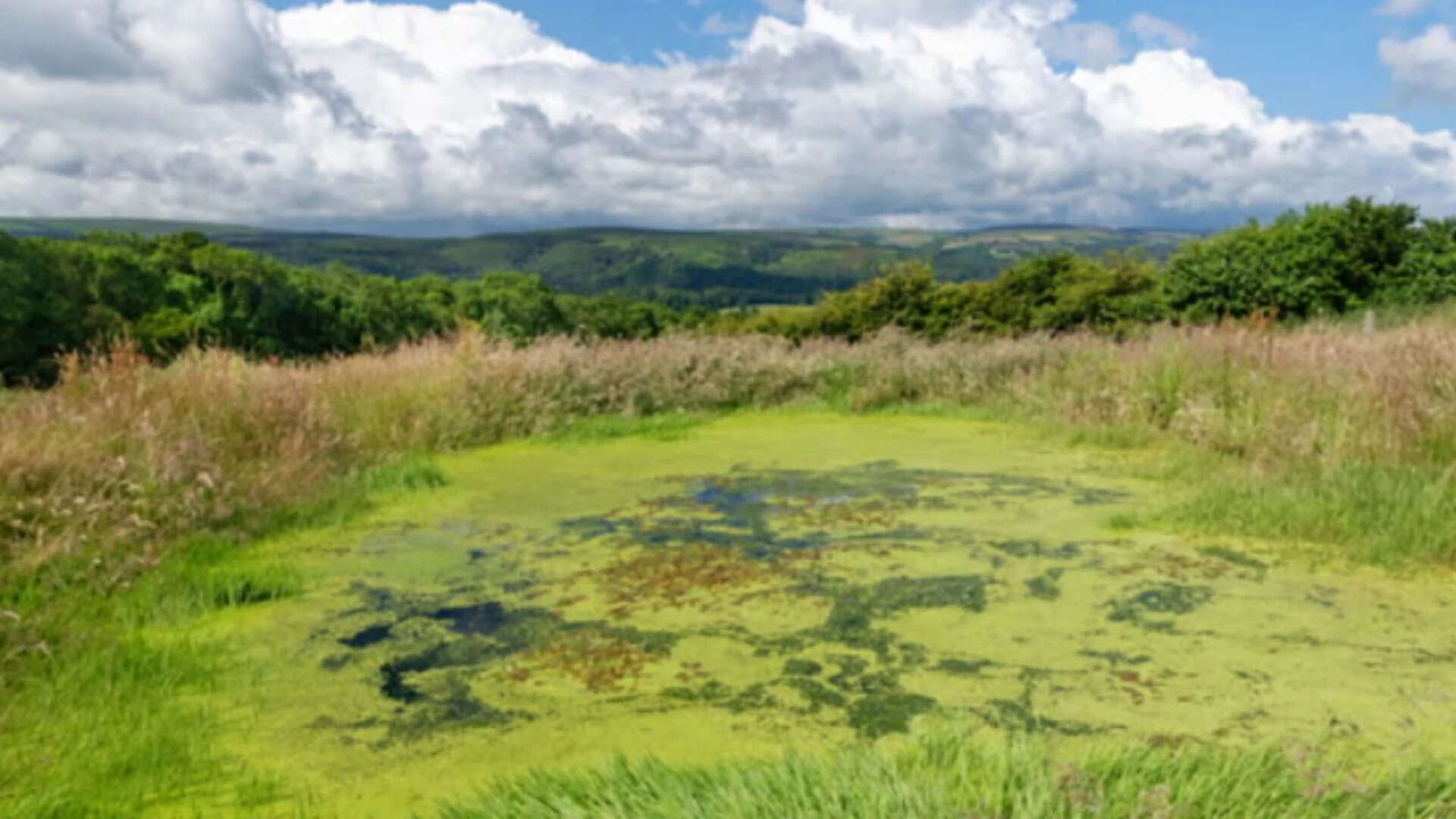
A pond at Holnicote Estate, Somerset
Water and habitat changes
To understand how restored landscapes are performing, researchers from the Universities of Exeter, Nottingham and Loughborough and Umeå University in Sweden monitored groundwater, river channels, water quality and habitats.One key finding was that groundwater levels increased sharply throughout the site. In some places, the water level rose by more than one metre. This allows the floodplain to act like a sponge, explained Dr. Richard Mason of Umeå University.“Groundwater levels have risen significantly across the site, in some places by more than a metre. This allows the site to act as a large sponge or filter in the river catchment, helping to store winter floodwaters, reducing flood risks downstream and releasing clean water more slowly in the drier months to help alleviate drought conditions.”Since the water now moves through plants, ponds and multiple channels instead of rushing through one straight channel, it also leaves behind more mud and sediment.
This natural filtration process helps improve water quality downstream, Dr. Mason said.“The many twists, turns and flow paths that now exist in the floodplain as water makes its way over the site through the dense vegetation, act as a filter to capture sediment eroded from upstream.”He added that the restoration process also created different water conditions that fish and other aquatic animals need. “Simply put, the system has gone from a very tidy area with little wildlife to a complex, chaotic patchwork of aquatic landscapes and diverse habitats filled with a great variety of plants and animals,” he said.
Flood peaks have lowered, and the water has been cleaned
Researchers from the University of Exeter used drones and sensors placed in the river to study how water moves across the restored landscape. Dr Alan Potok and Professor Richard Brazier said the restoration had reduced the speed at which floodwaters moved downstream.According to their observation, flood peaks downstream were 38 percent lower on average after flood restoration. During storms, more water stays within the floodplain rather than flowing quickly downstream.The researchers also found that rainfall takes longer to produce flood flows, giving landscapes more time to absorb water.They said the results showed that allowing rivers to reconnect with floodplains could become an important nature-based approach to reducing flood risks.“These results mean that for the first time in the UK, we have seen the potential of allowing rivers to reset themselves to function normally.”Monitoring also showed that average water turbidity, or cloudiness caused by suspended particles, decreased by 41 percent after restoration. This indicates that more sediment is now trapped within the wetland rather than being transported downstream.
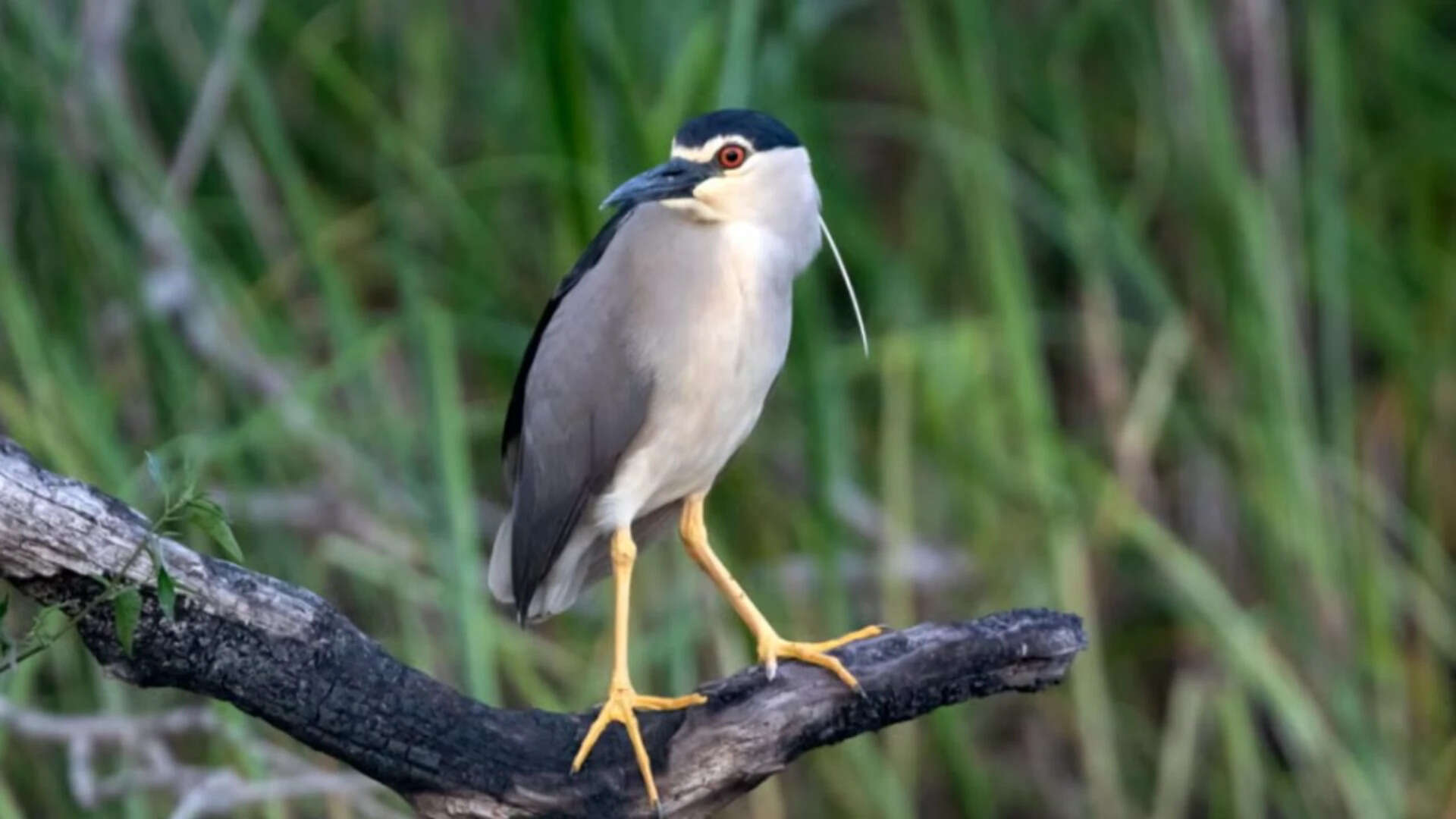
A rare black-crowned night heron has been spotted at Holnicote Estate (representative image)
Wetland habitat is expanding
Scientists have also recorded a significant increase in aquatic habitats. The total area of aquatic habitat increased from 0.18 hectares to 3.42 hectares, representing an increase of 1,780 percent.The restored landscape now includes wetlands, ponds, gravel basins, and parts of slow-flowing rivers. These different habitats support a wider range of wildlife and make the ecosystem more resilient.Even the researchers were surprised by how quickly the site changed, Dr. Mason said. “The speed with which the site has developed into a diverse mixture of habitats has been a real surprise.”He added: “What amazed me was the scale of the wetlands that were created; the river turned from a pipe into a sponge.”According to Dr Mason, fish now have access to more space for feeding, shelter and movement, while smaller fish can use connected wetland habitats that are becoming rare across the UK.
Wildlife returns
National Trust ranger Jack Siviter said wildlife responded quickly after the restoration. “The site has become bananas in terms of the amount of wildlife and lush vegetation we have seen.”Large wetland plants such as Tussock deposits began Major growth throughout the region.
Thousands of wildflowers, including wild carrots, also provide food for pollinating insects.The site now supports many water-dependent species including water voles, eels, trout, lampreys, grass eels and waterfowl.Birds including swallows, swifts and sand martins forage across the wetlands, while birds of prey such as red kites, hawks, kestrels and hawks also use the area.Insect populations have increased so much that large groups of swallows sometimes gather to feed, Siviter said.“One of the most amazing species we’ve seen is the green sandpiper, which is a great indicator species for healthy lowland wetland habitats,” Siviter said.One species that researchers are watching closely is the water vole. Prior to restoration, only limited signs of water voles were found along the edges of the site. New surveys by Derek Gow Consultancy have now found significant population densities in the central wetlands, with animals spread across restored habitats.In July 2026, the National Foundation said a rare black-crowned night heron was spotted at Holnicut Ranch. The bird, which is considered a rare visitor to the UK, was seen on property cameras on three consecutive days, The Guardian reported.