The Chinar Book Festival showcased Kashmir’s vibrant literary scene from July 18 to 26, attracting 57,000 to 100,000 visitors.

The third edition of the Chinar Book Festival concluded well, attracting thousands of visitors over nine days and reaffirming Kashmir’s emergence as a vibrant hub of literature, education and cultural exchange.
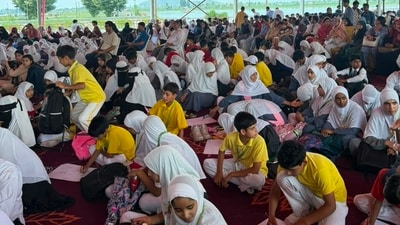
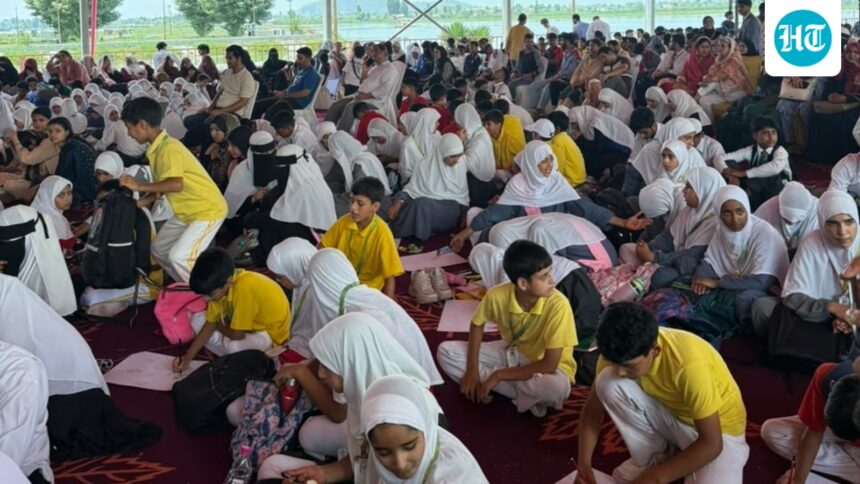
Organized by the National Book Trust (NBT), against the picturesque backdrop of Dal Lake, at the Sher-e-Kashmir Convention Center (SKICC), the mega festival witnessed packed and packed book stalls and enthusiastic participation from readers of all age groups.
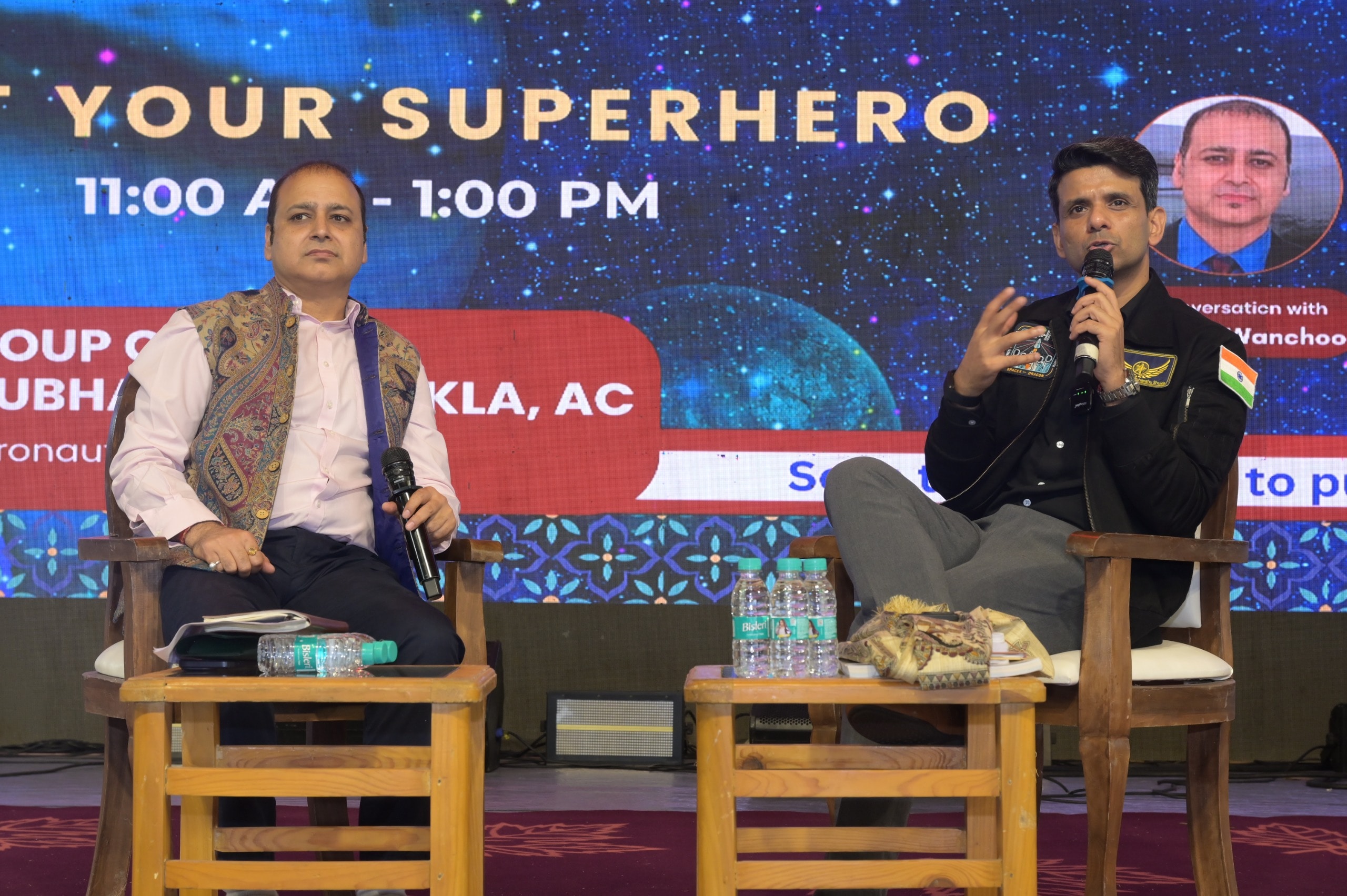
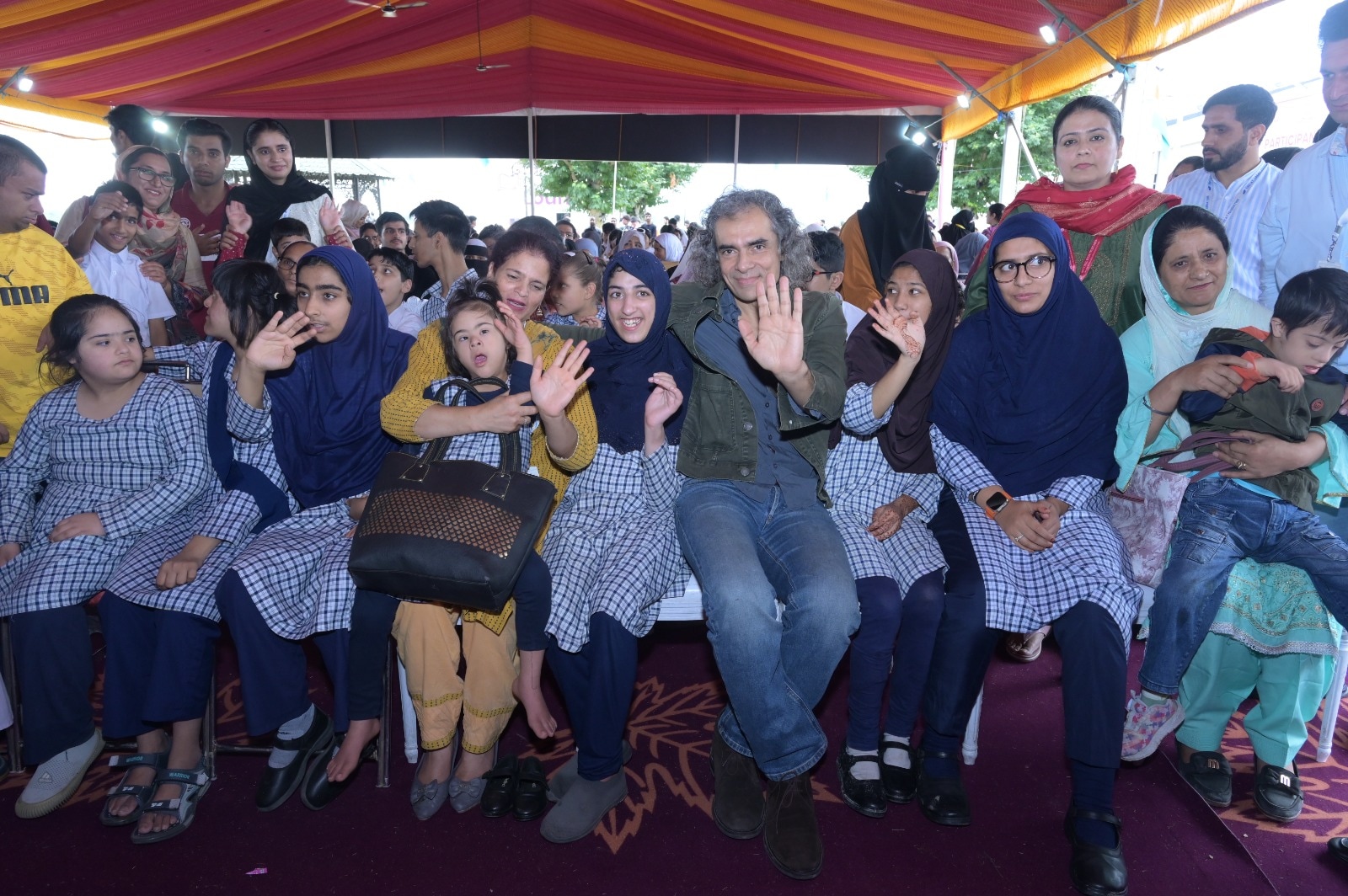
Eminent authors, thinkers and prominent names such as astronaut Shubhanshu Shukla, actor Rakesh Bedi and director Imtiaz Ali also participated in the festival.
For NBT Director Yuvraj Malik, who spoke to Hindustantimes.com, the scale of public engagement reflects a side of Kashmir that often goes unnoticed.
“There is a perception that Kashmir is war-torn, terror-affected and full of disaffected youth. But when you come here, you will not find that image reflected on the ground,” Malik said, adding that the anticipated success of the festival demonstrated the Valley’s strong appetite for books and ideas.
Unlike most public events in Kashmir, which he said “start in the morning and end at lunch,” the Chinar Book Festival maintained momentum throughout the nine days. “Sustaining the event for nine days is unique for Kashmir,” Malik said, describing it as one of the festival’s distinctive achievements.
According to him, attracting audiences was not the biggest challenge of all. “Here, we don’t have to make an effort to attract people. There is a natural audience base and strong reading habits, especially among the younger generation,” he said.
One of the most prominent trends this year is the participation of young women. “About 70 percent of visitors are girls and 30 percent are boys,” Malik noted, describing this as a reflection of the valley’s evolving reading culture.
The festival also highlighted the deep cultural roots of Kashmir. “We organize events across India in almost every state. If you compare it nationally, Pune comes fairly close. But what you see here is on a completely different scale,” he said.
Malik said that convincing the stakeholders that such a major literary event could be organized in Kashmir was initially a herculean task. “It took two years to get the necessary permits because the mentality had to change. People had to believe that an event attracting thousands of visitors was possible here,” he recalls.
‘Security is largely a myth’
He also dismissed concerns about security, saying that the reality on the ground differs greatly from popular perception. “Security was largely a myth. Apart from the official protocol of the Lieutenant Governor, the festival proceeded normally. We completed the three editions without any major incident,” he said.
The NBT director also targeted what he described as perception-based coverage of Kashmir.
“There are two types of media. One is journalism where you get down on the ground and observe and report on what you actually see. The other is digital, feed-based journalism, where people sit in offices, collect reports from Google and build perceptions from a distance,” Malik said.
Malik said the festival also provided a glimpse into the changing social landscape in the Valley. He described three distinct generations in Kashmir: those who witnessed militancy in their youth, those who witnessed it during childhood, and a younger generation who grew up without direct exposure to curfews, stone-throwing or violence.
“These three generations have different perceptions and different reading habits. The children and young people you see today will become decision-makers in the coming years. Understanding what they read today is important,” he said.
Language and translation emerged as another main focus of the festival. The entire hall dedicated to the Urdu language remained packed throughout the event, underscoring the continuing popularity of the language.
“You will find the Urdu hall completely packed. Tomorrow you will also see the power of translation. A book well written in one language, once translated into Urdu, reaches a whole new section of society,” Malik said.
Malik described reading as an essential part of leadership and decision-making, saying that his reading includes multiple specializations.
“If I don’t read, how will I work?” He said. “My first choice is always CVs. Then I read geopolitics, contemporary politics and, these days, corporate management. Recently, I’ve also been reading sports psychology. It’s a fascinating field because it explains how the sports mindset works.”
Drawing on football to explain leadership, Malik said the 2022 FIFA World Cup final offers valuable lessons beyond the game itself.
He said: “If you show the entire World Cup final to a child – from start to finish – it becomes a whole life story of how a person navigates the highs and the lows. It’s a great case study in leadership. I developed a case study on how Lionel Messi led his team in that final, and it is now taught in many international international schools.”
“Read Mahabharata”
When Malik was asked what books every Indian – especially every young Kashmiri – should read, he turned to the Indian epics, claiming that they remain relevant beyond their religious significance.
“Read the Ramayana. Read the Mahabharata. Read the Bhagavad Gita. Don’t just approach them with a religious mindset,” he said.
Malik described the Mahabharata as an “everyday dilemma” and said that the epic reflects the moral and personal conflicts that people face throughout their lives.
“It is a book about leadership. It teaches you how to sustain yourself when conflict arises in your life. These dilemmas are not old, they accompany us every day,” he said.
The third session of the Chinar Book Festival witnessed a daily turnout that ranged between about 57,000 and 73,000 visitors on weekdays and reached 100,000 on weekends.
With a record turnout, enthusiastic participation and a clear appetite for books among young readers, the 3rd Chinar Book Festival sought to present a different narrative about Kashmir – one that focuses not on conflict, but on curiosity, culture and conversation.
Get the latest India news, headlines and real-time updates from across the country. Stay up to date on politics, government policies, crime, weather and major national developments.