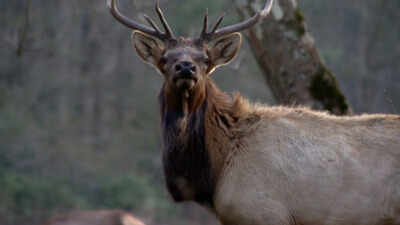
Elk were once found throughout much of North Carolina but disappeared from the state many years ago
For the first time since elk were reintroduced to Western North Carolina 25 years ago, the state will allow a limited elk hunting season. The decision comes after wildlife officials said elk numbers have recovered enough to support controlled hunting while continuing conservation efforts.This change comes after North Carolina Governor Josh Stein signed House Bill 747 on July 7. The law allows the North Carolina Wildlife Resources Commission (NCWRC) to issue two elk hunting permits during the 2027 hunting season.Officials say the move is not aimed at reducing the population quickly but is part of a long-term wildlife management plan. Funds raised through permits will also be used for elk conservation and management.
hunting
Elk were once found throughout much of North Carolina but disappeared from the state many years ago due to poaching and habitat loss. Wildlife agencies later began efforts to reintroduce them to western North Carolina, and the animals have slowly built up a stable population over the past 25 years.According to Justin McVeigh, district wildlife biologist with NCWRC, the state has now reached an important milestone.
“Our goal with elk management in the state is to have a sustainable huntable population, and at this point we have reached that goal,” McVeigh said, according to ABC 13 News.A sustainable population means that there are enough animals to maintain healthy numbers while also allowing a limited number to be hunted without affecting the long-term survival of the species.
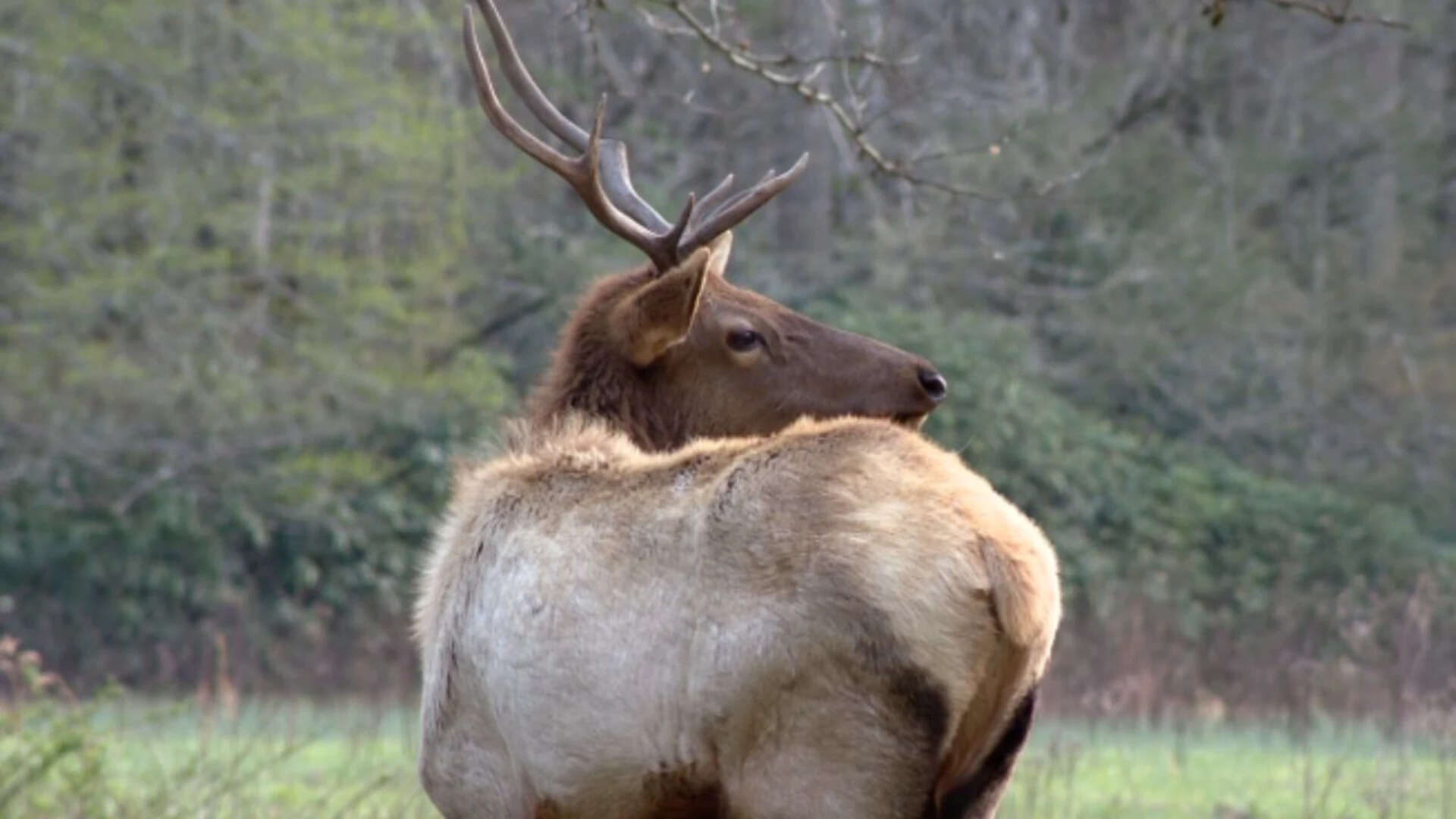
Elk in western North Carolina. (Photos: WLOS)
Permits
The state is taking a cautious approach by issuing only two permits during the first hunting season.
The two permits will be distributed in different ways.One permit will be auctioned off through a non-profit wildlife conservation organization that has participated in North Carolina’s elk reintroduction program.Under the law, the selected non-profit can keep up to 25% of the auction proceeds. The remaining funds will be allocated to wildlife conservation.The second permit will be awarded through a public drawing. People can purchase raffle tickets for $20 each, with a maximum of 30 tickets for $500.
Anyone purchasing a ticket must have a valid North Carolina hunting license or qualify for a license exemption under state rules.The Wildlife Resources Commission may receive up to $25,000 in raffle proceeds. The rest of the money raised from the auction and raffle will be deposited into the state’s Wildlife Resources Fund, where it will be used for elk conservation and management programs.
Rules
Permits are expected to become available in July 2027, McVeigh said.
Elk hunting season is scheduled to begin later that year in October.Hunters who obtain permits will be allowed to hunt in areas within the state’s designated elk area where elk are present.“They’ll be able to basically hunt any area in the elk country that has elk; it will be private land as well as hunting land,” McPhee said.However, anyone planning to hunt on private property must first obtain permission from the landowner.Wildlife officials also said hunters must follow all state hunting regulations. Those who violate the rules may face fines or other penalties.Additionally, all elk harvested during the season must be reported to NCWRC and submitted to the agency as required under the new law.