Coca-Cola has raised prices of Diet Coke, which is sold as a healthier version and mostly in aluminum cans, by more than 10% due to the conflict in West Asia.

First came the shortages, then some parties celebrated the available stock, and now the price is rising — this is the story of how a seemingly distant war can impact something like Diet Coke in India.

It started when the US-Israel war on Iran led to a Diet Coke shortage in India, as supplies of aluminum cans shrunk when global trade routes were damaged. This led to the emergence of a small, unique phenomenon of “Diet Coca-Cola parties” in one of the largest consumer markets in the world.
Now, across India, Coca-Cola has raised prices of Diet Coke, sold as a healthier version and mostly in aluminum cans, by more than 10% due to ongoing conflict in the Middle East and West Asia. The supply chain remains choked.
What is the price of Diet Coke now?
Two people familiar with the matter told Reuters news agency that the company is now purchasing larger cans from Southeast Asia at a greater cost and pouring more. They refused to reveal their names because the strategy is confidential.
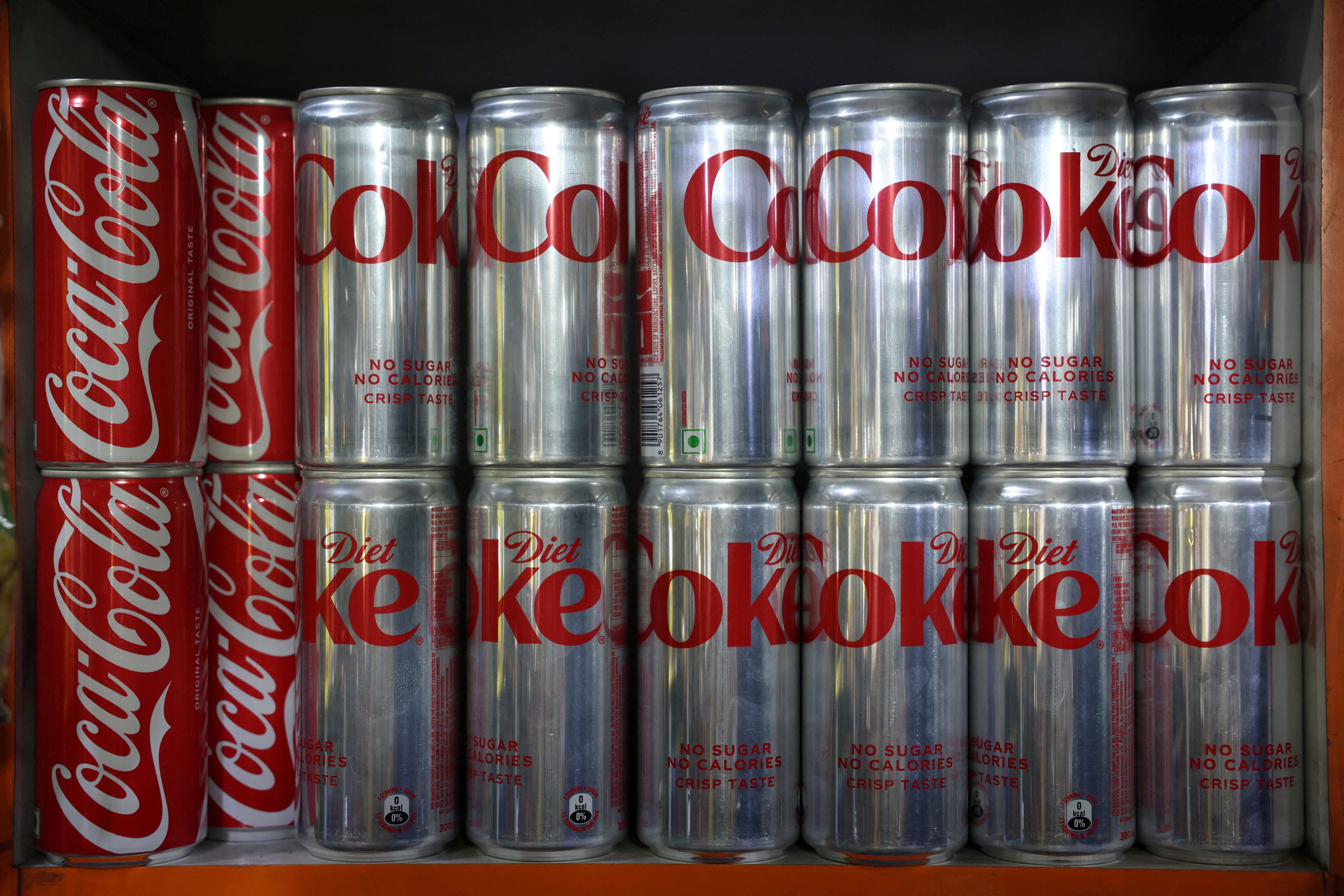
- The most common type of Diet Coke in India is a 300 milliliter can $40 (41 US cents).
- Coca-Cola has now launched 330ml cans in $50.
- On a per ml basis, the increase in price translates to 13.6%.
At least one of the company’s Indian bottlers has for a limited time begun offering Diet Coke in smaller 200 ml glass bottles, although they are much more expensive than canned drinks.
Coca-Cola, which has not publicly disclosed price changes, did not respond to multiple requests for comment.
How does the US-Iran war have an impact?
At its heart lies the Strait of Hormuz, a vital supply route for these cans and related raw materials to travel to India, which has been effectively closed again after the collapse of a temporary truce meant to end the Iranian conflict. There are fears that the scope of the disturbance will expand further, closing another sea route on the Red Sea.
This is an example of how conflict continues to force global companies to change their supply chains and raise prices in some of their most important consumer markets.
Coca-Cola and Pepsi see India as a key growth market, and with the exception of Diet Coke, most of their drinks are sold in plastic and glass bottles, as well as cans.
Diet Coke has become very popular in India, especially among health-conscious consumers. Coca-Cola also sells zero-calorie Coke Zero in India, but its supply is not at risk because it is sold in plastic bottles and cans.
In recent months, Indian pubs and social media influencers have spotted an opportunity to profit by organizing the parties that come with $1000 LBP $Entrance fee: 1600 and access to Diet Coke along with music and alcohol.

Follow the latest breaking news, key developments and agenda-setting stories from India and around the world with Hindustan Times Newsdesk. Operating around the clock, the bureau brings together experienced editors, reporters and correspondents to deliver fast, accurate and contextual reporting across topics affecting public policy, governance, business, society and international affairs. The HT Newsdesk covers politics, elections, government policy, economics, business, markets, science and technology, environment, law and order, infrastructure, education, climate issues and geopolitics, while closely tracking developments across countries, institutions and global capitals. The team also leads coverage of major breaking news events, policy announcements, court proceedings, natural disasters, public emergencies and significant international developments. Reports published by the News Desk are based on information gathered from reporters on the ground, official statements, government agencies, court records, regulatory files, recognized institutions and other official sources. Stories undergo editorial review and verification to ensure accuracy, fairness and appropriateness, and are updated as events develop and additional information becomes available. Whether covering a major policy decision in New Delhi, an economic policy shift affecting millions, a landmark court ruling or a major global event, the HT News Desk aims to provide readers with trusted, fact-based journalism that provides not only the latest developments but also the context and analysis needed to understand their wider implications.Read more

Get the latest India news, headlines and real-time updates from across the country. Stay up to date on politics, government policies, crime, weather and major national developments.