The United States imposes tariffs on imports
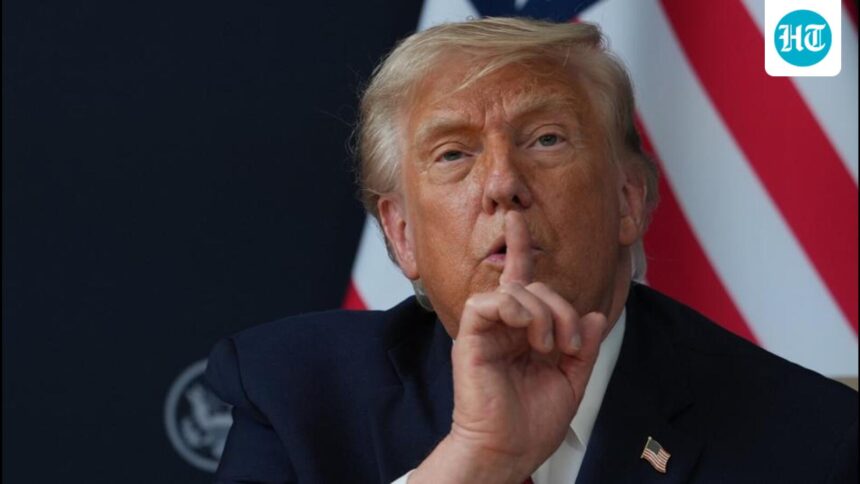
The United States on Thursday imposed a 10% tariff on imports from India and more than a dozen other countries after a months-long investigation into forced labor practices, with New Delhi getting a lower rate than the 12.5% tariff originally proposed under Section 301 of the 1974 Trade Act.
The 10% tariff puts India on par with Pakistan, Sri Lanka and Bangladesh, along with several Latin American and Asian economies. In all, Washington has imposed tariffs on 60 countries representing more than 99% of US imports for failing to effectively prohibit and enforce restrictions on the import of goods made using forced labor. The new tariffs replace a temporary 10% global tariff announced in February, which expired this week.
“Today’s action will begin to correct what constitutes a human rights violation and a distorting trade practice to improve the well-being of workers everywhere,” US Trade Representative Jamison Greer said as he announced the tariffs. “I am encouraged by the trading partners who moved quickly to adopt a ban on the import of forced labor, and look forward to ensuring its effective implementation.”
The action follows two Section 301 investigations launched by the Trump administration in March. This provision allows the United States to impose retaliatory trade measures against countries found to be engaging in unfair or discriminatory practices. Unlike Section 122 tariffs that have been in effect since February, Section 301 tariffs carry no rate cap or expiration date but require a formal investigation before being imposed. India also faces a separate Section 301 investigation into alleged manufacturing overcapacity, which remains ongoing.
Earlier, the US Trade Representative’s Office indicated that India could face a 12.5% tariff under the forced labor investigation, placing it among countries that Washington believes have not done enough to reduce imports of goods produced through forced labor. During the public consultation process, Indian industry bodies and government officials defended India’s record, citing, among other measures, constitutional provisions prohibiting forced labour.
The tariff announcement comes as India and the United States continue negotiations on a broader trade agreement. In February, the two countries agreed to a framework under which tariffs on Indian exports would be reduced from 50% – including a 25% penalty linked to India’s purchase of Russian oil – to 18%. In return, India proposed to buy $500 billion worth of American goods over five years and expand market access for American exports, including selected agricultural products.
Commerce Minister Piyush Goyal had recently said that India accepted the proposed 18% tariff as it would provide a competitive advantage over neighboring countries and similar Southeast Asian economies. However, the US Supreme Court later struck down the global reciprocal tariffs imposed by the Trump administration, creating uncertainty over how the agreed-upon 18% tariff would be implemented.
Another concern for New Delhi is that India is subject to two separate investigations under Section 301, unlike rivals such as Pakistan and Sri Lanka, which only face a forced labor investigation. If these countries eventually attract lower overall tariff rates, India may lose its competitive advantage in exports to the US market.
“I think the two sides are very close to agreeing on the substance of the interim agreement, but they may be stuck on India’s insistence that it first have clarity that it will get a preferential tariff compared to other countries,” said Mark Linscott, a senior adviser at the State Department. “Some of these countries, like Pakistan, Sri Lanka and the Philippines, are not subject to 301 excess capacity, so it is difficult to see how they could get a higher overall tariff than India, at least until new 301 cases involving these countries are initiated.” Asia Group and former Assistant US Trade Representative for South and Central Asia.