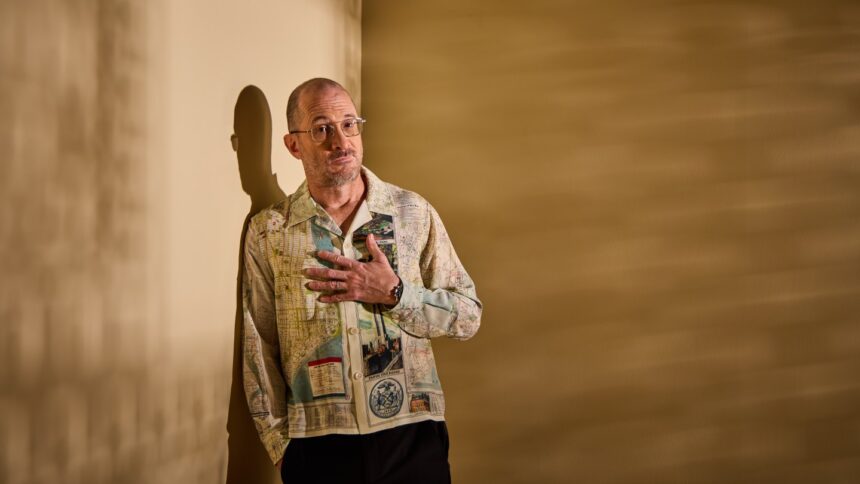
Primordial Soup, the AI-driven film and content studio launched by director Darren Aronofsky (Pisces, Black swan, Requiem for a Dream) raises funds as the film industry that relies on artificial intelligence continues to spread, Hollywood Reporter I’ve learned.
Earlier this month, Primordial Soup Labs, Inc., which lists Aronofsky and producing partner Dylan Golden as executive employees, filed with the Securities and Exchange Commission for a $15 million stock raise.
The company has sold just over $11 million of that total so far, with the first sale taking place on July 1, the document said.
It’s not clear what Primordial Soup will use the cash for, though the company’s website indicates it’s in the midst of something that amounts to a hiring spree, with roles open for “generative artists,” social media strategists, chief of staff, and “head of studio.”
The studio head role emphasizes the scale of the endeavor, noting that the person they hire will manage the content strategy and operations of the studio. “You will oversee the development, production and marketing of our slate, including digital-first creator content, feature films, TV series and branded content,” the description states.
This indicates that Primordial Soup will supplement its film and TV projects with commercials and AI creator content.
Aronofsky and his spokesman did not respond to a request for comment.
A growing number of Hollywood traditionalists are diving into artificial intelligence. Martin Scorsese uses technology in storyboards, and he’s a veteran Doctor Who The director is developing an AI-powered animated film, and studios including A24 and Lionsgate have established creative partnerships with AI companies.
Aronofsky has focused on cutting-edge technology for years, becoming an early pioneer in 2018 with a three-part virtual reality project called Domains It was produced by director Eliza McKennitt and then made of course Postcard from Earth For The Sphere in Las Vegas several years ago.
Primordial Soup launched just over a year ago with the tagline “Make soup, not soup” and formed a non-exclusive filmmaking partnership with Google DeepMind that allowed it to experiment with the company’s tools.
As part of that partnership, he and McKnight produced predecessors, A 45-minute film (and the first in a planned trilogy) about mother and memory. They made their debut at Tribeca in 2025, where Aronofsky took the stage with McNitt and a DeepMind executive to say: “There are a lot of ways to use these models. I’m mostly interested in learning how to use these models to tell stories.”
The director took a more public role on behalf of the AI film industry — and received a lot of backlash — when it premiered this winter On this daya collection of American Revolution-themed short films that used generations of AI-powered historical figures. Critics derided the project for its uncanny valley vibes, though the work became more refined as it progressed. Last month, he announced a pivot of sorts for the series, saying he was trying to take an animated approach — and then dropped an anime-inspired episode in which Thomas Jefferson fights King George III in a boxing ring and says lines like “Kneel before this, bitch.”
While AI filmmaking is much cheaper than the traditional genre, the potential use of voice actors, consultation with department heads, and perhaps most importantly, time for writers and directors to shape a story, all cost money, and it makes sense that Soup’s capital raise would be used to help produce more content, pushing the envelope along the way.