CJP founder Abhijit Debaki has ended his hunger strike, after being convinced by the father of a NEET student who died by suicide.

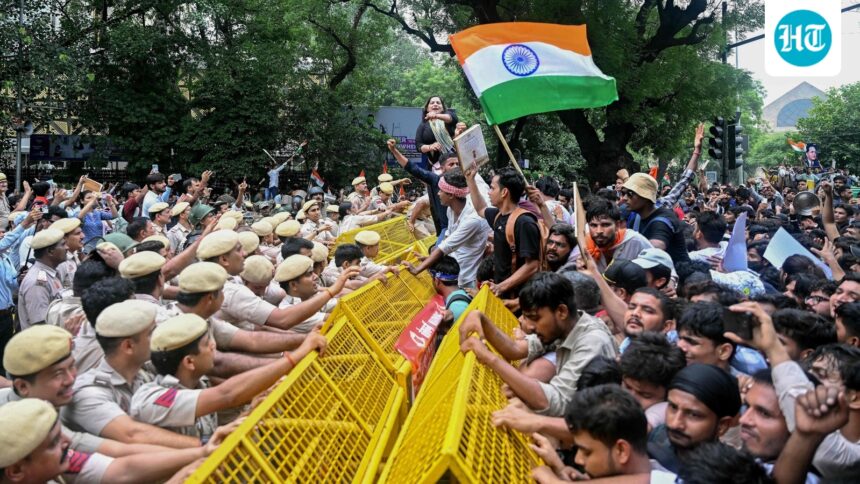
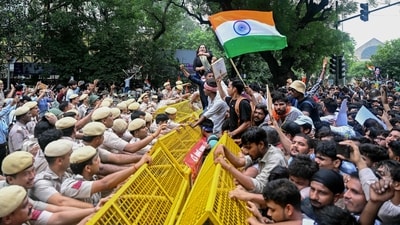
Thousands of supporters of the Cockroach Janta Party (CJP) took to the streets of Delhi on Monday to participate in the party’s ‘Chalo Sansad’ rally, triggering massive security arrangements across the national capital. The day saw road closures, traffic congestion, police action against protesters, internet outages, and the first signs of talks between the government and the CJP.
Here are the top 10 updates.
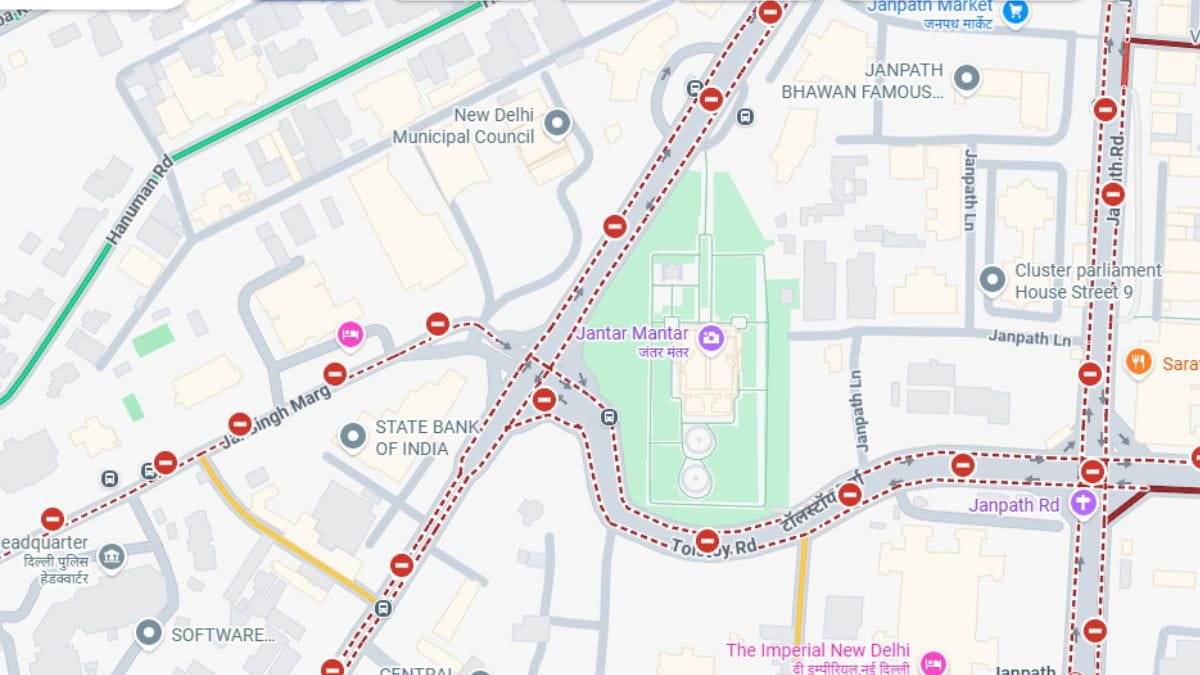
1. Central Delhi turns into a traffic bottleneck: At around 12.30pm, central Delhi turned into a traffic bottleneck, with Google Maps showing multiple road closures and diversions around Jantar Mantar amid heavy security deployment. Roads including Sansad Marg, Janpath, Tolstoy Road, Jantar Mantar Road and Jai Singh Marg were marked as closed, while traffic on nearby roads moved slowly.
Read also: CJP Parliament March Live: Dibek ends his hunger strike; CJP claims ambulance sent to Jantar Mantar ‘almost caused stampede’
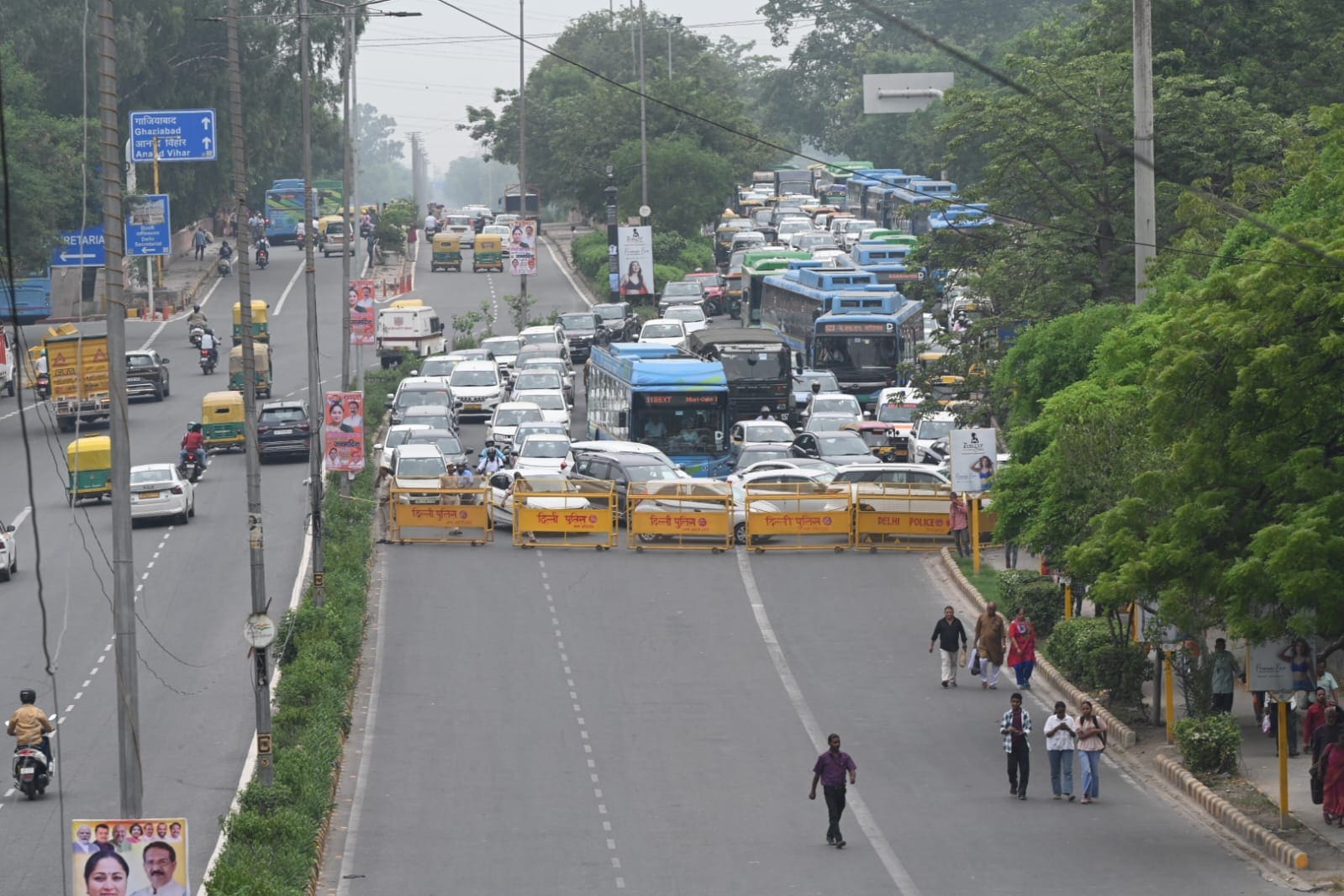
2. Heavy police deployment around Parliament: Thousands of Delhi Police personnel, along with paramilitary forces, were deployed across the city. Multiple layers of barriers were erected on the roads leading to Parliament to prevent demonstrators from marching outside the designated protest site.
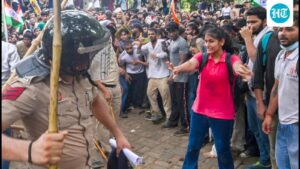
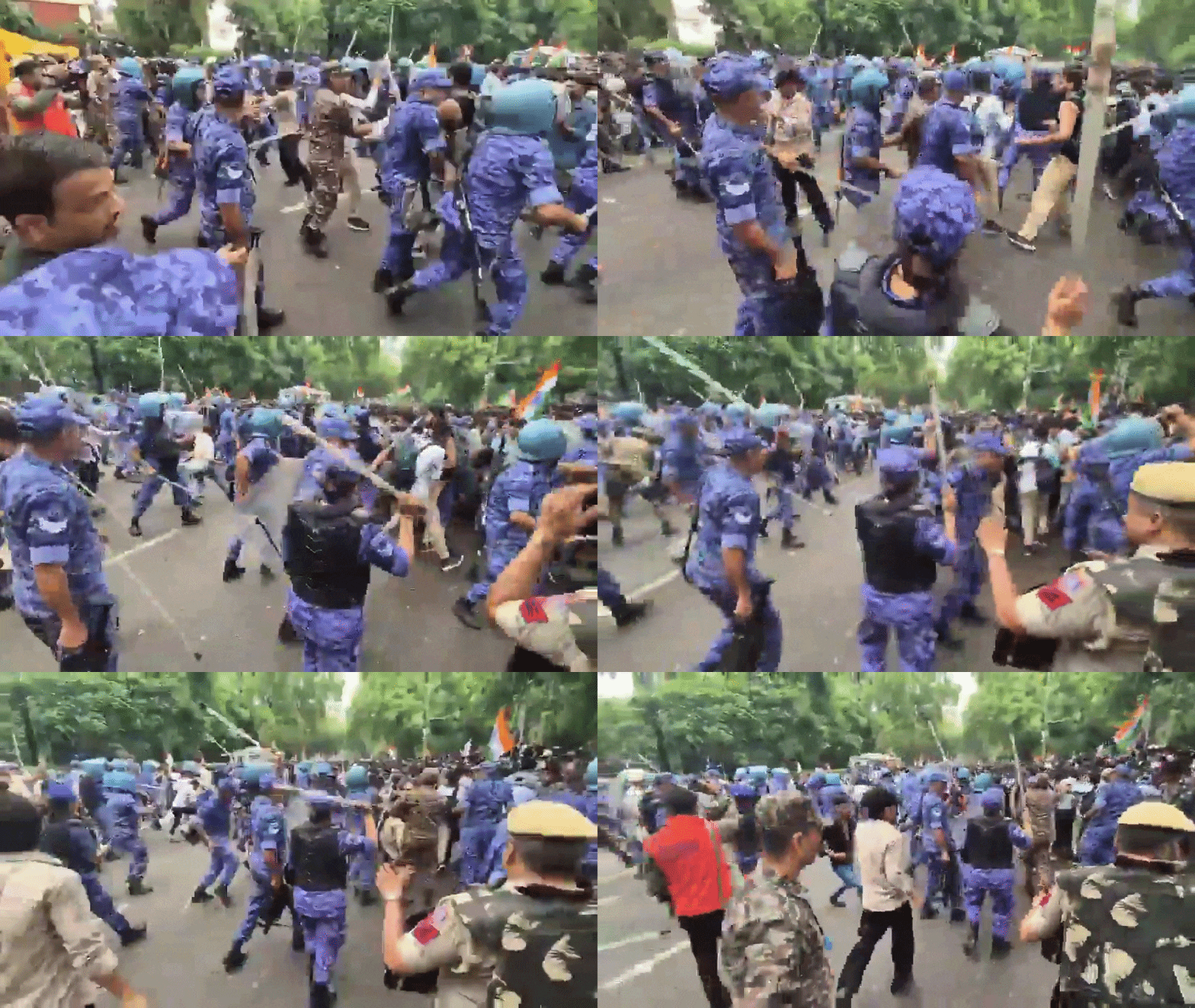
3. The demonstrators clashed with the police, and the lathi charge reported: A tense situation erupted near Parliament Street after protesters attempted to breach police barricades at around 11.25am. The police resorted to using batons to disperse the crowd, while a number of demonstrators and security personnel were slightly injured. Between 10 and 15 demonstrators were arrested.
4. Internet outage hits protesters: Mobile internet access was affected around the protest site as demonstrators formed a human chain after the march stopped. The disruption has also affected digital payments in the region.
5. Car prices rise amid road closures: The road closures disrupted local transport, with many rickshaw drivers refusing to ride near Jantar Mantar or demanding higher fares. Passengers reported paying nearly three times their usual fare due to transfers and payment issues caused by poor internet connectivity.
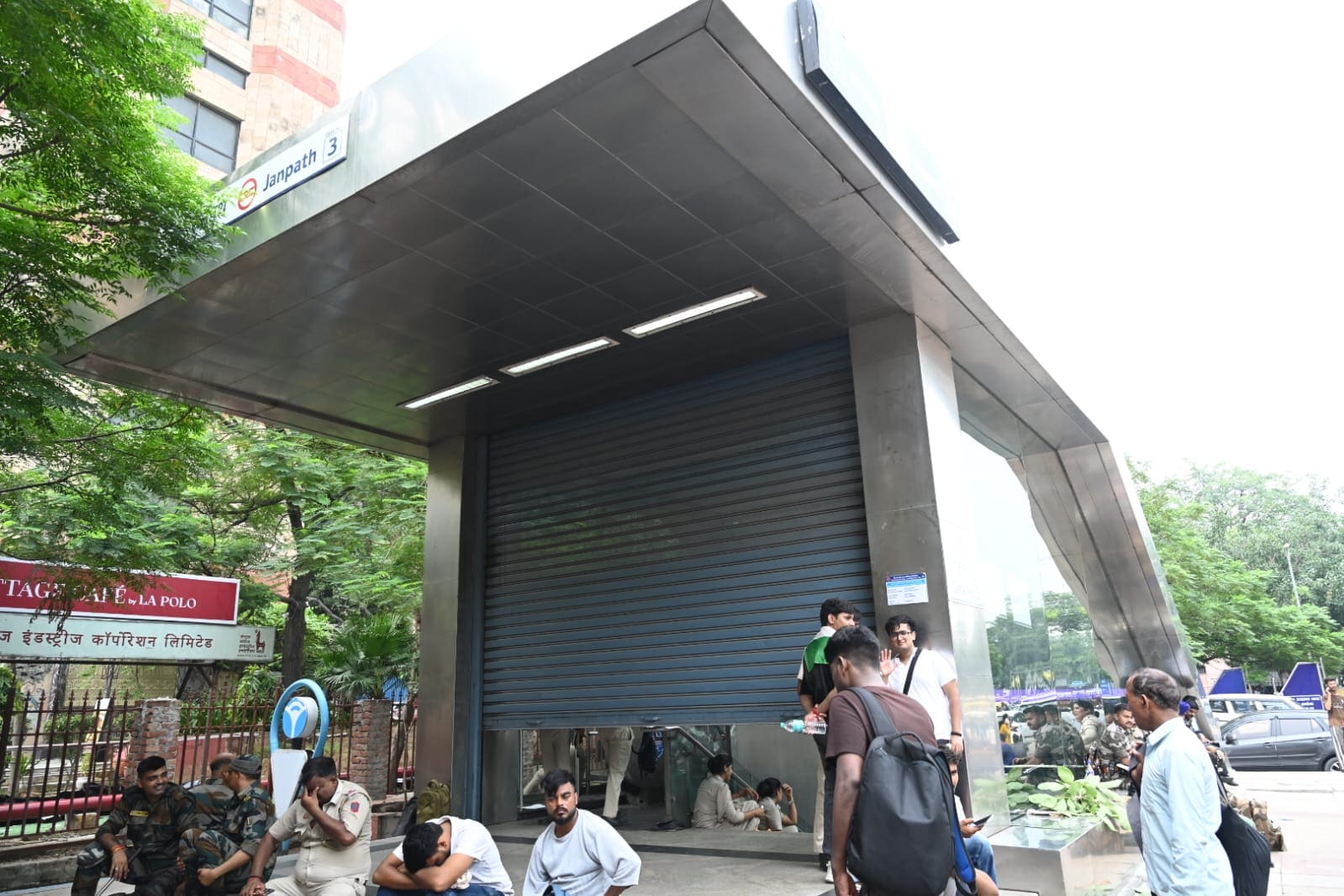
6. Chaos at Delhi Metro station: Chaos prevailed at several Metro stations in the national capital on Monday after the Delhi Metro Rail Corporation (DMRC) closed five stations over security concerns ahead of the Sarwar Janta Party’s (CJP) protest march to Parliament, stranding hundreds of commuters and forcing many to take longer routes to their destinations.
7. The government continues for talks: The CJP claimed that the Center had contacted it for the first time since the agitation began. Party spokespersons Sourav Das and Ashutosh Ranka said they were heading to meet Union Minister and former BJP president JP Nadda, terming it the first official outreach by the government.
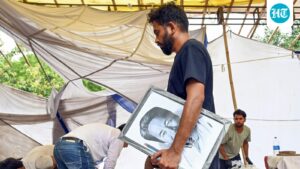
8. Abhijeet Debaki ends his hunger strike: CJP founder Abhijit Debaki has ended his hunger strike, after being convinced by the father of a NEET student who died by suicide. “The father of student Rhea Thapa, who died by suicide, has convinced Abhijit Deepki to end his hunger strike so that he can lead the march to Parliament,” the CJP said in a post on X.
8. Sonam Wangchuk asks for permission to join the march: From Safdarjung Hospital, activist Sonam Wangchuk issued a handwritten appeal asking doctors to allow him to leave the hospital temporarily and join the Sansad Chalo march, saying he feels healthy and his health parameters are normal.
10. The opposition raises a protest inside Parliament: Even as demonstrations continued outside Parliament, Samajwadi Party MPs staged a protest inside the Parliament complex on the opening day of the monsoon session, demanding discussion on the issue of alleged NEET papers leak, adding to the politically charged atmosphere in the capital.
(With inputs from CJP)