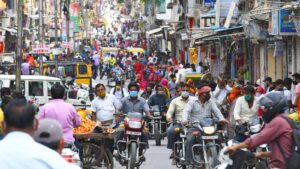
An estimated 13.5 million “undose” children, including 679,000 in India, will not have received a single vaccine in their first year in 2025, according to the WHO-UNICEF Annual Estimates of National Immunization Coverage (WUENIC) released on Wednesday. Nigeria topped the list with 2.2 million unvaccinated children.
The report said that 90% of infants globally, or approximately 116 million children, received at least one dose of the diphtheria, tetanus and pertussis (DTP) vaccine, and that 85% (110 million) completed the full three-dose series. Both indicators rose by one percentage point from the previous year. But global coverage is still one point below 2019 levels, and hovering within the same narrow range since 2009.
The “zero dose” numbers for children represent nearly 750,000 fewer children than the previous year, the report said. She added that progress is matched by an increase in the number of children who start the schedule but do not complete it.
The report said that most unvaccinated children live in countries where national immunization programs receive support from the vaccine alliance Gavi.
Globally, it is estimated that 7.3 million infants have received the first dose of MMR but have dropped out before receiving the first dose of measles. This dropout rate contributed to discontinuation of measles coverage, with 84% of children receiving the first measles dose (MCV1) and 77% receiving the second dose (MCV2). Both numbers are well below the 95% threshold required to prevent the spread of this highly contagious virus. 57 countries also reported a major or devastating measles outbreak in 2025.
“Governments and health workers have helped restore global vaccination rates after falling dramatically during the Covid-19 pandemic,” said Katherine Russell, Executive Director of UNICEF. “But millions of vulnerable children remain unprotected due to conflict, displacement and poverty. We must reach every child, and we must rebuild trust where it is weakening. No child should suffer from a disease that can be prevented with a simple vaccine.”
Data from 195 countries show that 100 have maintained coverage of at least 90% with three doses of DDT since 2019, with little progress made in expanding this group. Among countries with coverage below 90% in 2019, 30 countries improved their rates over the past six years. But 65 countries are stagnating or lagging behind, including 13 fragile, conflict-affected or at-risk states.
The report highlights a worrying trend that in middle- and high-income countries, even when vaccines are fully available, coverage is declining amid shifting political commitment, structural challenges, or rising hesitancy.
“Every child, whether born into wealth or poverty, peace or conflict, deserves the life-giving protection that vaccines provide,” said WHO Director-General Tedros Adhanom Ghebreyesus. “Immunization is one of the most cost-effective, most equitable and most reliable interventions to protect children’s health and well-being.” “Our greatest safety begins with ensuring that everyone, wherever they are, is protected from the deadly diseases that vaccines can prevent.”
The report said that the World Health Organization and UNICEF are working with Gavi and other partners to achieve the goal of the Global Immunization Agenda 2030 to ensure that vaccines reach everyone, everywhere, and at all ages.