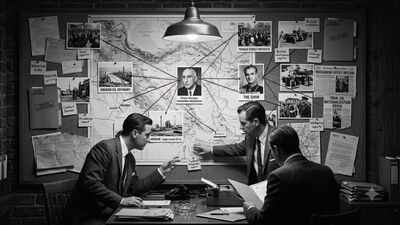
A joint covert operation between the CIA and MI6, code-named Operation Ajax, succeeded in overthrowing Iran’s democratically elected Prime Minister Mohammad Mossadegh (representative image by Amnesty International)
The United States and Iran have once again found themselves in a dangerous military confrontation. The hostility between the two countries did not begin with the recent strikes, but goes back a long time.
For decades, Washington and Tehran have been locked in a bitter rivalry shaped by political mistrust, regional conflicts and a history of foreign interference.More than 70 years ago, the CIA helped organize a covert operation that ousted Iran’s elected Prime Minister Mohammad Mossadegh and consolidated the rule of Shah Mohammad Reza Pahlavi.
That operation, known as Operation Ajax, became one of the earliest major examples of US-backed regime change efforts.
While Washington viewed it as a Cold War victory at the time, its consequences shaped Iranian policy for generations and contributed to deep mistrust between the two countries.The events of 1953 shaped Iran’s future, contributed to the rise of opposition to the Shah and became one of the reasons behind the mistrust that characterizes relations between the United States and Iran today.
The oil dispute sparked the crisis
The roots of the 1953 crisis go back to the Iranian oil industry.
For decades, Britain controlled much of Iran’s oil resources through the Anglo-Iranian Oil Company, which was one of Britain’s most important assets abroad. Many Iranians believe that their country does not get a fair share of its natural wealth.In 1951, Mohammad Mossadegh became Prime Minister of Iran after gaining popularity through his nationalist policies. Shortly after taking office, he moved to nationalize Iran’s oil industry, placing it under Iranian control.
The decision angered Britain, which relied heavily on the oil company.Britain responded with economic pressure, including sanctions and restrictions on Iranian oil exports. British ships prevented access to the area surrounding the oil facilities in Abadan, one of the main oil centers in Iran. The impact was severe. Iranian oil production fell sharply, the economy suffered and unemployment rose, according to the Roosevelt Institute of American Studies.At the same time, the United States became increasingly concerned about instability in Iran during the Cold War. American officials feared that political turmoil would allow the Soviet Union to gain influence in the country.Washington initially avoided direct action. But after Dwight Eisenhower became President of the United States in 1953, American and British officials began working on a plan to remove Mossadegh.
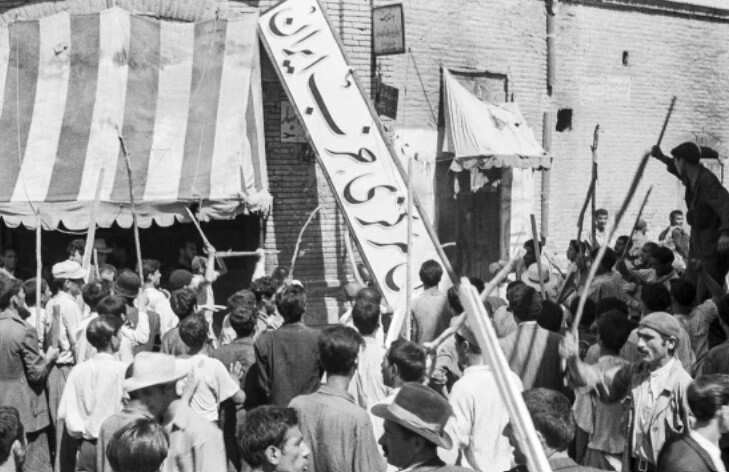
Protesters tear down an Iranian party banner outside its headquarters in Tehran on August 19, 1953, during the coup (AP file photo)
Inside the ajax process
The CIA, in cooperation with British intelligence officials, developed a covert operation to replace Mosaddeq’s government with one more acceptable to Western interests.The operation was led by CIA officer Kermit Roosevelt Jr., grandson of former US President Theodore Roosevelt.The plan included propaganda campaigns, political pressure, payments to individuals, and attempts to obtain support from army officers. The CIA-backed effort also spread anti-Mossadeq messages through Iranian media. Political groups were also encouraged to organize protests against the Prime Minister.Shah Mohammad Reza Pahlavi was initially reluctant to support the move. However, he eventually signed orders to dismiss Mossadegh and appoint General Fazlullah Zahedi as prime minister.The first attempt failed. Mosaddeq’s supporters discovered the plan, arrested some of the coup organizers, and the Shah left Iran.It seemed for a short time that the operation had collapsed. But after a few days the situation changed.
Crowds gathered in Tehran, and Zahedi emerged as the new leader. Mossadegh was arrested, and the Shah returned to power. The CIA considered the operation a success.
The rule of the Shah and the growing anger
After the coup, Muhammad Reza Shah strengthened his position with strong support from the United States. Iran received significant American economic aid, and the Shah pushed programs aimed at modernizing the country. However, opposition to his rule increased over time.However, the Shah’s government was accused of suppressing political opponents through the intelligence agency SAVAK, and many Iranians viewed him as a leader too dependent on foreign support.Anger against the monarchy eventually contributed to the Iranian Revolution of 1979. The revolution overthrew the Shah and brought Ayatollah Ruhollah Khomeini and the Islamic Republic to power.
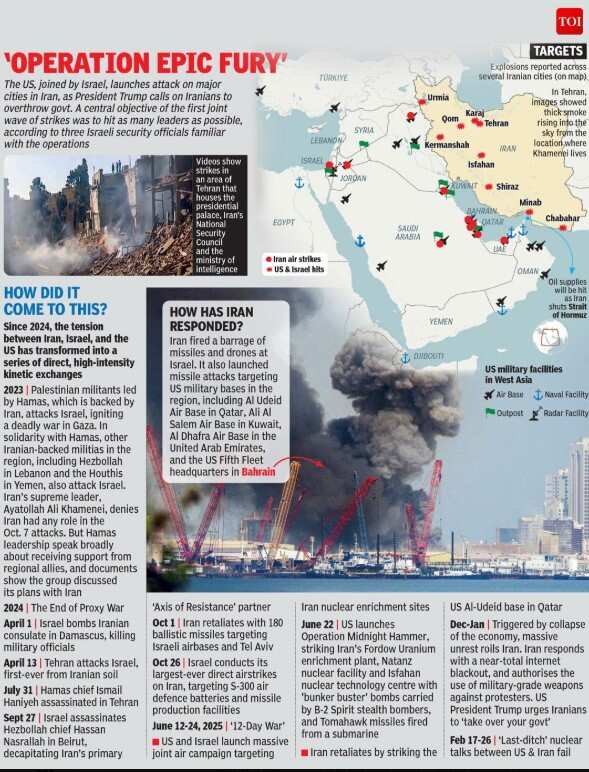
Operation Epic Rage
How did 1953 shape the US-Iranian conflict?
The events of 1953 became a major reason behind Iranian suspicion of American intentions.
When the Shah entered the United States for medical treatment after the revolution, many Iranians feared that Washington would attempt another operation to restore his rule.In November 1979, Iranian students seized the American embassy in Tehran and held 52 Americans hostage for 444 days. The hostage crisis ended diplomatic relations between the two countries and created a permanent rift.The 1953 coup not only removed Mossadeq; It also changed the way Iranians viewed the United States for generations.
For many people in Iran, the operation became evidence that Washington was willing to intervene in the country’s politics when its interests were threatened, Mises. Writes the organization.Tensions continued over subsequent decades, including disagreements over Iran’s nuclear program, US sanctions, and Iran’s support for regional militant groups.In 2023, the CIA officially acknowledged its role in the 1953 coup that ousted its prime minister and established the rule of Shah Mohammad Reza Pahlavi, calling it undemocratic.