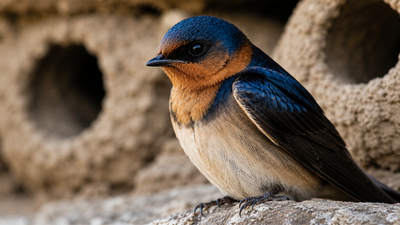
For centuries, the arrival of thousands of rock swallows has transformed the sky over a small California town into one of America’s most iconic wildlife sights. Every spring, the graceful birds return almost like clockwork after migrating from South America, filling the air with their distinctive chatter as they rebuild their mud nests around the historic mission.
Their homecoming became so famous that it inspired poems, songs, and an annual festival. Then, over several decades, their numbers dwindled dramatically. As birds migrated to the place that made them famous, residents and scientists began searching for the reasons behind the decline, and set out to restore the conditions that once made the city an ideal seasonal habitat.
Thousands of swallows return to this California city every spring
The story revolves around San Juan Capistrano in Southern California, home of the historic San Juan Capistrano Mission.
Its sheltered walls, arches and overhangs provide ideal nesting sites for rock swallows, small migratory birds that build flask-shaped nests using hundreds of tiny clay pellets.Each year, the birds travel thousands of kilometers from South America to breed in California before making the journey south again for the winter. Their remarkable ability to return to the same location year after year has turned San Juan Capistrano into one of the most famous migratory landmarks in North America.
Why did the swallows stop coming back?
By the late 1900s, visitors began to notice fewer swallows arriving each spring. Scientists found that there is no single reason behind this decline. Rapid urban development has reduced open areas where birds collect mud and catch flying insects, while many modern buildings lack the sheltered ledges they would have preferred for nesting.Routine building maintenance also removed old nests, leaving fewer places for new generations to settle.
Furthermore, drought and changing weather patterns have affected insect populations, making the surrounding landscape less hospitable than it has been for centuries.
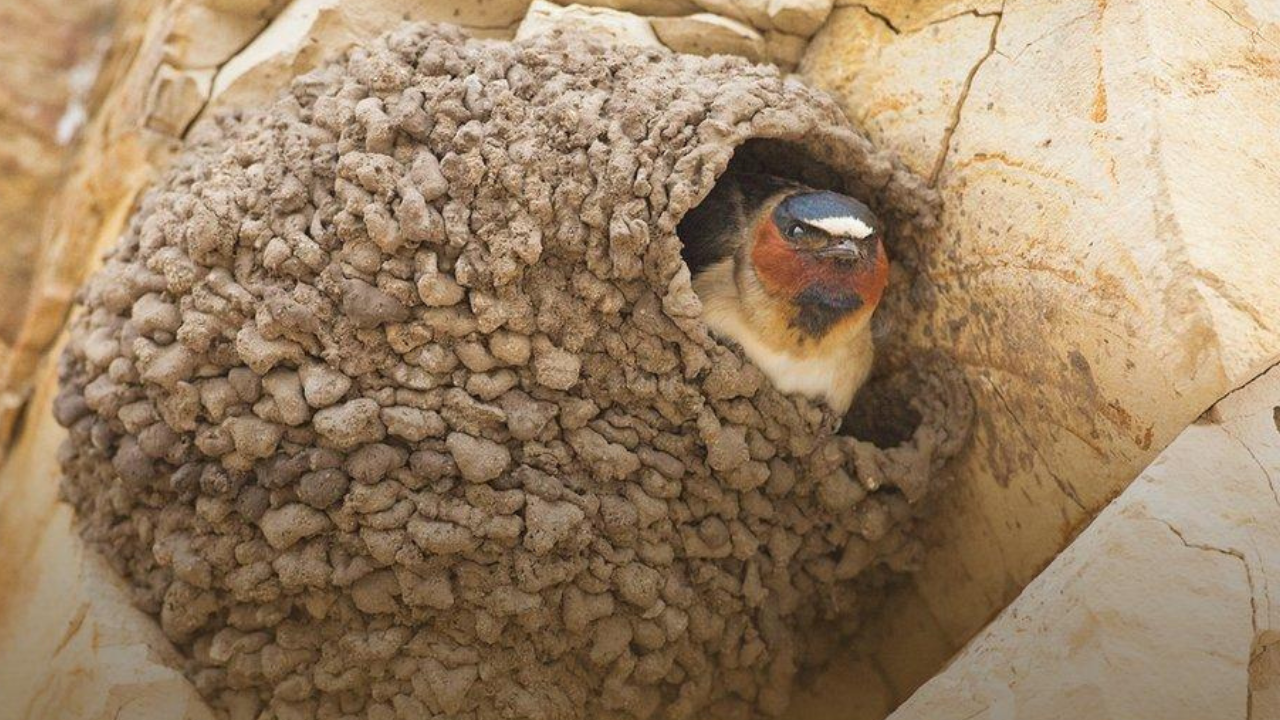
The community worked to rebuild their home
Rather than accept the loss of a cherished tradition, residents, conservation groups, scientists and mission staff have collaborated to improve the birds’ chances of returning. Artificial nesting towers and specially designed ledges were installed to replace nesting sites that had disappeared over time, while existing nests were protected during the breeding season.The work did not stop there. Volunteers helped restore nearby habitat where swallows can find mud to build a nest and abundant insects for food. The researchers also monitored the birds each spring, tracking nesting activity and using the results to improve restoration efforts year after year. The project has become a long-term commitment that combines science and community engagement.
The birds found their way home again
The restoration did not produce immediate results, but gradually more rock swallows began to appear around the mission each spring.
Although today’s flocks are generally smaller than the massive aggregations recorded decades ago, their return has shown that careful habitat restoration can help migratory species reconnect with historic breeding grounds.The recovery also highlighted the birds’ extraordinary navigational abilities. After traveling thousands of kilometers across the Americas, many of them were still able to locate the same breeding sites with remarkable accuracy.
The festival continues to celebrate their return
Today, San Juan Capistrano honors its feathered visitors with the annual Swallow Day Parade and other community celebrations that recognize one of America’s most iconic wildlife traditions. The event attracts thousands of visitors each year and reflects the city’s enduring connection to the birds that have helped shape its identity.
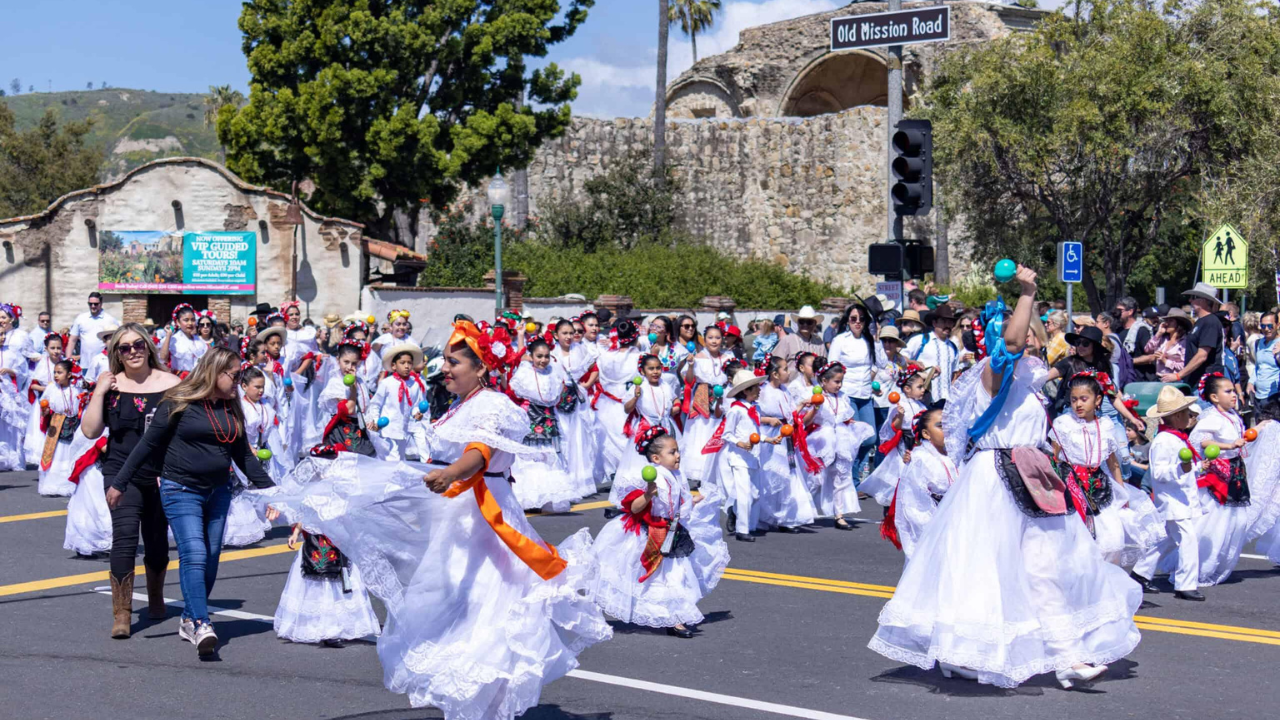
The annual Swallows Day Parade celebrates one of America’s most famous bird migrations.
While the swallows’ story is still unfolding, their gradual return shows that protecting habitat, preserving nesting sites and engaging local communities can help reverse wildlife decline. It serves as a reminder that restoring nature often requires patience, perseverance and cooperation, but the rewards can last for generations.